
ABC Stands Ground Against Trump FCC Probe

ABC challenges FCC investigation into The View, arguing First Amendment violations. Network fights back against equal-time rule claims and license review.
ABC is making a forceful stand against what the network characterizes as an unprecedented attempt by the Trump administration to exert political control over broadcast television content. In a significant legal filing submitted to federal regulators, ABC argues that the Federal Communications Commission is overstepping its constitutional authority and directly violating the protections afforded by the First Amendment. This confrontation marks an escalating clash between a major media corporation and the executive branch over the boundaries of government regulation in broadcasting.
The dispute centers on multiple regulatory actions initiated by the FCC under the leadership of Chairman Brendan Carr. Most prominently, the FCC has accused ABC's The View of violating the equal-time rule, a regulatory provision that traditionally requires broadcasters to provide equal airtime to opposing political candidates. However, ABC contends that talk show interview segments have been historically and consistently exempt from these equal-time obligations for decades, establishing a clear precedent that the FCC's current interpretation disregards. This distinction between talk show content and traditional news programming has long been recognized in broadcast regulation.
Adding another layer of complexity to the regulatory scrutiny, the FCC simultaneously launched what many observers characterize as an highly unusual review of ABC's broadcast licenses. The timing of this license review proved particularly contentious, occurring just one day after President Donald Trump and First Lady Melania Trump publicly called for ABC to terminate late-night host Jimmy Kimmel's employment following a controversial joke he made during his show. The proximity of these actions has raised significant questions about potential political motivation behind the regulatory inquiries.
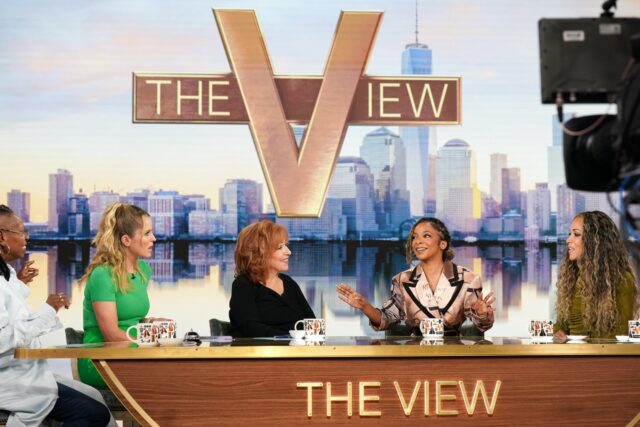
In the legal filing made public today, ABC's attorneys presented a comprehensive constitutional argument asserting that the FCC has substantially exceeded its delegated authority. The filing specifically states that the FCC's actions "threaten to upend decades of settled law and practice and chill critical protected speech, both with respect to The View and more broadly." This language suggests that ABC views these regulatory actions as extending far beyond the specific complaints raised against the network, instead representing a broader attempt to establish precedent for government control over broadcast content.
The filing addresses primarily the equal-time rule investigation, but ABC's legal team has made clear that the network intends to vigorously contest the broader license review as well. The network's response demonstrates a determination not merely to defend itself against the specific allegations, but to challenge what ABC characterizes as a fundamental threat to journalistic independence and freedom of expression. The filing emphasizes that the regulatory actions represent an inappropriate intrusion into editorial decision-making that should remain exclusively within the purview of news organizations.
The equal-time rule debate centers on historical precedent and the long-established distinction between different types of broadcast content. For many decades, the FCC has recognized that talk show interview segments, where hosts conduct interviews with various guests including political figures, operate differently from traditional news programming. This distinction has allowed talk shows considerable flexibility in their guest selection and interview formats without triggering equal-time obligations. ABC's filing emphasizes this extensive historical record of regulatory interpretation and practice.
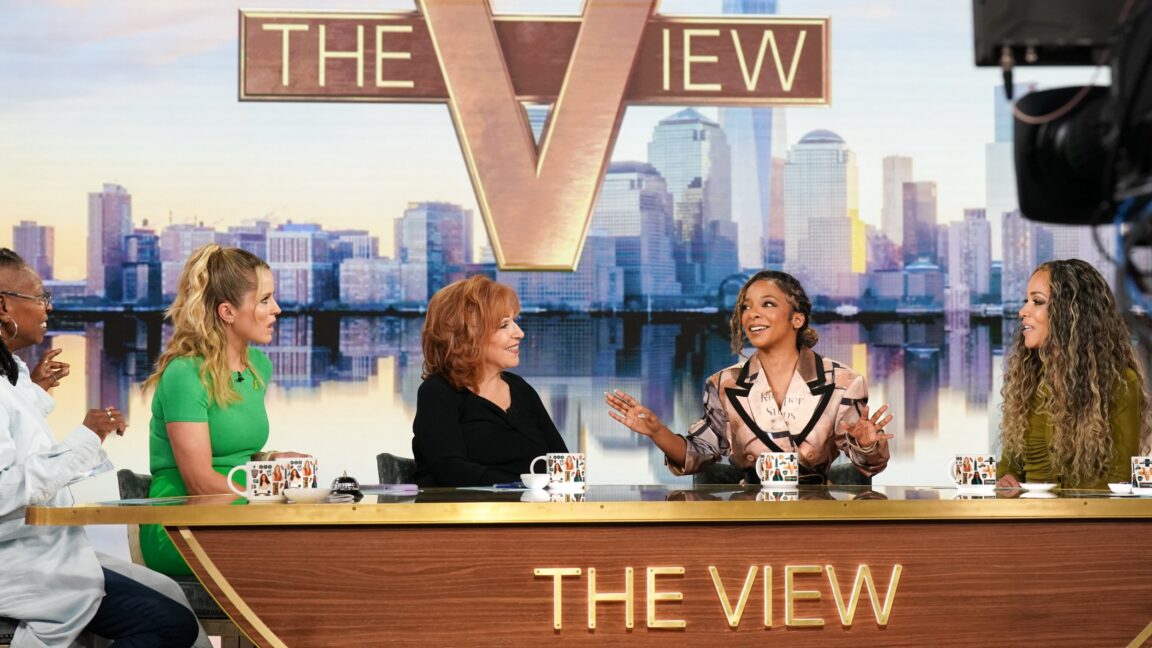
The genesis of the current FCC investigation appears to trace back to a specific episode of The View in which the program interviewed a Democratic political figure or candidate without providing equal-time opportunities to Republican counterparts. The FCC, operating under new regulatory leadership that takes a more expansive view of equal-time obligations, determined that this episode represented a violation of broadcast regulations. However, ABC contends that this interpretation fundamentally misunderstands how talk shows have operated within the regulatory framework for decades.
Separate from the equal-time dispute, the license review initiated by the FCC raises distinct constitutional concerns. Broadcast licenses require periodic renewal, and the FCC has authority to examine whether broadcasters continue to serve the public interest. However, critics and legal analysts have questioned whether the timing and motivation behind this particular review demonstrate an appropriate exercise of regulatory authority or instead represent political retaliation for on-air content. The proximity to the Trump family's public call for Kimmel's firing has fueled speculation about the true motivations driving the regulatory inquiry.
The Jimmy Kimmel controversy that triggered the license review involved a joke made during his late-night talk show. While the specific content of the joke remains a point of dispute, the Trump administration clearly viewed the humor as offensive and called for Kimmel's dismissal from ABC. The fact that the FCC initiated a license review within a day of this public pressure raises significant questions about whether the regulatory action represents a legitimate exercise of government authority or an improper attempt to penalize a network for permitting content that displeased the sitting president and First Lady.

ABC's First Amendment argument in its filing represents a fundamental constitutional claim that the government lacks authority to regulate broadcast content based on its political viewpoint or in response to political pressure from elected officials. The network argues that even if some regulation of broadcast content remains permissible under existing law, the specific regulatory actions undertaken by the FCC exceed constitutional bounds. This legal posture suggests that ABC intends to contest these matters vigorously and may be prepared to pursue litigation if administrative remedies prove unsuccessful.
The broader implications of this regulatory conflict extend well beyond ABC and The View. The outcome of the FCC investigation and license review could establish significant precedent regarding the extent to which the federal government can regulate broadcast content, particularly in response to political pressure or dissatisfaction with on-air commentary. Other broadcast networks and media companies have been closely monitoring this situation, recognizing that regulatory actions against ABC could establish templates for government intervention against other networks.
Media advocacy organizations and First Amendment experts have generally expressed concern about the regulatory direction signaled by the FCC's actions. Free speech advocates argue that content-based regulation of broadcast material, particularly regulation that appears responsive to political pressure, threatens the editorial independence that democratic society requires from news organizations. These concerns reflect broader anxieties about the relationship between government power and media freedom that have intensified in recent political contexts.
The Trump administration has signaled repeatedly that it intends to take a more aggressive posture toward broadcast regulation than previous administrations. Chairman Carr and other FCC officials have indicated a willingness to expand the application of existing regulations and to interpret broadcasting laws more expansively than has been typical in recent decades. This regulatory philosophy directly conflicts with the industry-standard interpretations that have guided broadcast regulation since the late 1980s.
ABC's legal strategy appears to focus on establishing that the FCC's actions represent an impermissible departure from decades of settled regulatory practice and established law. The network's argument emphasizes continuity and consistency, suggesting that any change in regulatory interpretation should occur through transparent processes with adequate notice to the regulated industry, rather than through investigatory actions that appear responsive to political pressure. This approach attempts to frame the dispute as one concerning proper administrative procedure and constitutional limits on regulatory authority, rather than merely defending ABC's specific editorial choices.
The litigation timeline for these regulatory matters remains uncertain. The FCC investigation into equal-time compliance must proceed through established administrative processes, and the license review could potentially require formal hearings. If the FCC ultimately seeks to deny or condition renewal of ABC's broadcast licenses, the network would almost certainly pursue litigation challenging the regulatory decisions. Such litigation could ultimately reach federal appellate courts and potentially the Supreme Court, given the constitutional significance of the First Amendment questions involved.
As this regulatory conflict continues to unfold, it will likely attract substantial attention from media observers, legal analysts, and First Amendment advocates. The outcome of ABC's challenge to the FCC investigation could have profound implications for the future relationship between government regulators and broadcast media in the United States, establishing important precedents regarding the limits of government authority to regulate broadcast content and the protections afforded by the First Amendment to journalists and news organizations.
Source: Ars Technica


