
Aboriginal Girl's Death Exposes Australia's Stark Social Inequalities

The tragic death of an Aboriginal girl has ignited widespread outrage across Australia, reigniting critical conversations about systemic inequalities and disparities affecting Indigenous communities.
The alleged murder of a young Aboriginal girl has sent shockwaves through Australian society, triggering an unprecedented wave of outrage and prompting serious national reflection on the deep inequalities that persist in the country. The tragic incident has become a catalyst for difficult yet necessary conversations about the systemic disparities that disproportionately affect Indigenous Australians, particularly vulnerable children in remote and disadvantaged communities.
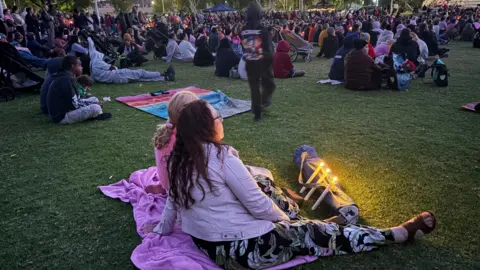
This devastating case has elevated concerns about the safety and welfare of Aboriginal children to the forefront of public discourse. Community leaders, activists, and ordinary Australians have united in expressing their grief and anger, demanding accountability and meaningful action to address the underlying social factors that contribute to such tragedies. The incident serves as a sobering reminder of the urgent need for comprehensive reform across multiple sectors affecting Indigenous populations.
The outrage generated by this case extends beyond the immediate circumstances of the alleged crime itself. It represents a broader awakening to the entrenched patterns of disadvantage that characterize many Indigenous communities across Australia. From inadequate healthcare services to limited educational opportunities and economic marginalization, these interconnected issues create environments where vulnerable populations face heightened risks.
Indigenous Australians continue to face significant health disparities, including higher rates of disease, mental health challenges, and reduced life expectancy compared to non-Indigenous Australians. These health inequities are not simply products of individual circumstances but rather reflect systemic failures in healthcare accessibility and culturally appropriate service delivery. The intersection of poverty, geographic isolation, and historical trauma creates compounding health challenges that require urgent intervention.
Educational disparities represent another critical dimension of the inequality debate sparked by this tragedy. Many Aboriginal children in remote areas attend under-resourced schools with limited access to qualified teachers, modern facilities, and comprehensive educational programs. These educational gaps perpetuate cycles of poverty and limit opportunities for social mobility, creating generational disadvantages that prove difficult to overcome.
Economic marginalization remains a persistent feature of Indigenous Australian experiences. Unemployment rates within Aboriginal communities significantly exceed national averages, and those employed often work in lower-wage positions with limited job security. The lack of economic opportunity undermines community stability and contributes to the social pressures that can lead to tragic outcomes like the one that sparked this national conversation.

Housing insecurity constitutes another alarming aspect of systemic inequality affecting Indigenous Australians. Overcrowded housing, inadequate sanitation facilities, and poor structural conditions characterize accommodation in many Aboriginal communities. These substandard living conditions create environments conducive to disease transmission, family stress, and social dysfunction, all factors that compound vulnerability to harm.
The role of child protection services has come under intense scrutiny following this incident. Questions have emerged about whether existing welfare systems adequately identify and protect at-risk Aboriginal children. Critics argue that culturally insensitive approaches and resource constraints have hindered effective intervention, particularly in remote regions where government oversight is limited and response times are necessarily delayed.
Historical trauma stemming from colonization, forced removals, and systemic discrimination continues to reverberate through Indigenous communities today. The intergenerational impacts of these historical injustices manifest in elevated rates of mental health disorders, substance abuse, and family violence. Understanding these deep historical roots is essential for developing effective responses that address root causes rather than merely treating symptoms.
Justice system failures have also attracted attention in the wake of this tragedy. Aboriginal Australians are significantly overrepresented in the criminal justice system, both as victims and perpetrators, suggesting systemic biases and inadequate legal protections. The disproportionate contact Indigenous people have with law enforcement and incarceration raises important questions about whether the justice system serves to protect or further marginalize vulnerable populations.
Community-led initiatives have emerged as promising approaches to addressing these interconnected challenges. Indigenous organizations working in areas such as mental health support, family violence prevention, and youth engagement have demonstrated effectiveness when provided adequate resources and operational autonomy. These grassroots efforts highlight the importance of self-determination in shaping solutions that resonate with community values and cultural contexts.
Government responses to the outrage have focused on commitments to increased funding for Indigenous services and enhanced oversight mechanisms. However, advocates emphasize that sustainable change requires not merely increased financial investment but fundamental shifts in how policies are designed and implemented. True reform demands meaningful consultation with Indigenous communities and respect for their expertise in understanding and addressing local challenges.
The Australian media coverage of this incident has highlighted the stark contrasts between Indigenous and non-Indigenous Australian experiences. News organizations have increasingly examined the structural factors contributing to vulnerability among Aboriginal populations, moving beyond sensationalized reporting to explore systemic dimensions of inequality. This more nuanced coverage has helped inform public understanding of complex social issues.
International attention has also focused on Australia's treatment of Indigenous populations, drawing comparisons with other developed nations and their approaches to reconciliation and equity. Global observers have noted that despite Australia's relatively high standard of living overall, outcomes for Aboriginal Australians lag significantly behind international benchmarks for developed countries, raising questions about national priorities and resource allocation.
Looking forward, the national conversation sparked by this tragedy presents an opportunity for substantive progress on longstanding issues. The combination of public outrage, media attention, and political pressure creates a window for meaningful policy reform. However, translating this moment of heightened concern into lasting change will require sustained commitment from government, civil society, and non-Indigenous Australians willing to support transformative efforts.
The path toward addressing inequality and social disparities demands comprehensive action across multiple domains simultaneously. Healthcare expansion in remote areas must be accompanied by educational investment, economic development initiatives, and housing improvements. Only through coordinated, sustained effort can Australia move toward genuine equality and ensure that tragic preventable deaths become increasingly rare.
This incident serves as a powerful reminder that national progress cannot be measured solely by overall economic indicators or development metrics. True societal advancement requires ensuring that all citizens, particularly the most vulnerable, have access to basic services, safety, and opportunities for flourishing. The outrage expressed by Australians in response to this tragedy demonstrates growing recognition that the current situation is untenable and demands urgent transformation.
Source: BBC News


