
AcuRite Discontinues Legacy App, Forces Users to Switch Platforms

AcuRite explains why it's shutting down its popular My AcuRite app in May, pushing users to the newer AcuRite NOW platform despite missing features.
AcuRite, a prominent manufacturer of intelligent weather monitoring devices, has made the difficult decision to discontinue its long-standing companion application, citing obsolete technology as the primary reason for the transition. According to Jeff Bovee, the company's Vice President of Product Development, the move represents a necessary evolution in the company's technical infrastructure, despite significant pushback from the dedicated user community that has relied on the app for nearly a decade.
The weather gadget maker announced this month that the My AcuRite iOS and Android app, which has served customers faithfully since its launch in 2016, will no longer be available after May 30th of this year. Following this sunset date, all device owners will be required to transition to AcuRite NOW, a newer application platform that the company released in June 2025. This mandatory migration represents a significant shift in how users interact with their AcuRite smart home devices and manage their environmental monitoring systems.
The announcement has generated considerable frustration within the loyal AcuRite customer base, primarily because the newly required AcuRite NOW application lacks several key features that were present in its predecessor. Users have expressed particular concern about missing functionality that made the original app intuitive and feature-rich, highlighting a gap between what customers expect and what the new platform currently delivers. This disconnect between user expectations and available features has sparked considerable debate in online communities and support forums.
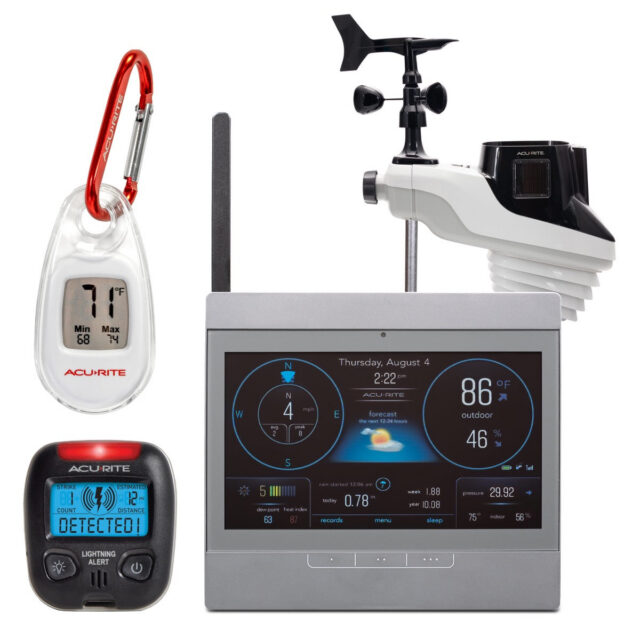
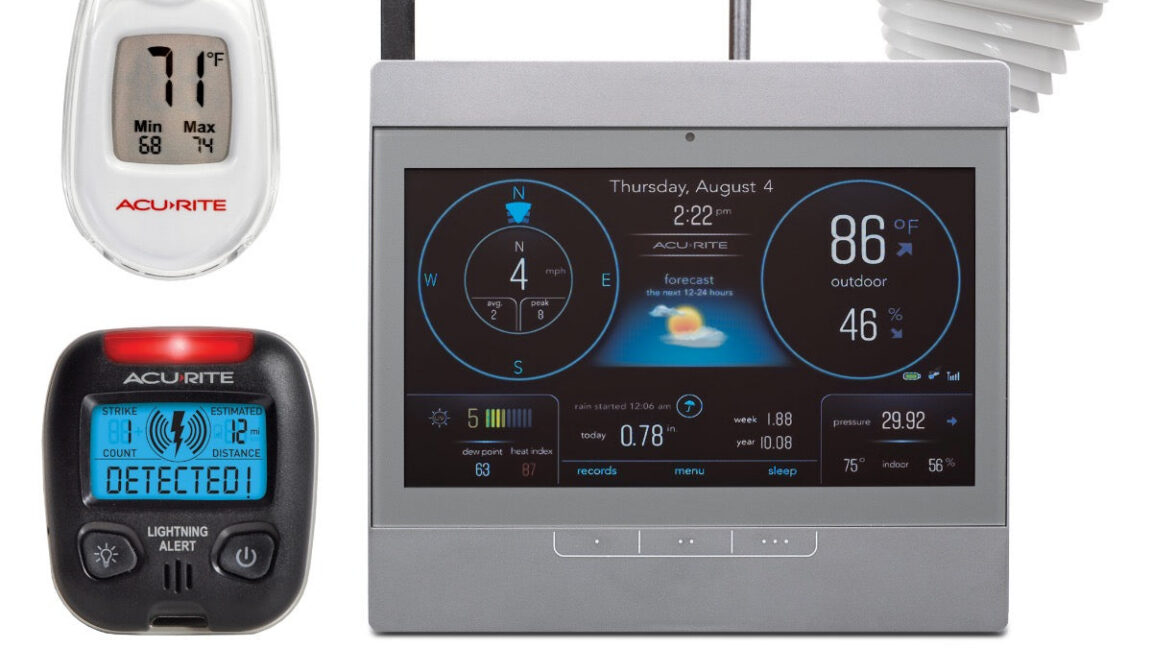
Among the most notable missing capabilities in AcuRite NOW is the inability to rename multiple temperature sensors simultaneously, a feature that many power users had grown to depend on for organizing their device networks. Additionally, the new application fails to offer customizable on-screen sensor organization, forcing users to accept a predetermined layout that may not match their preferred display preferences. Perhaps most frustratingly for precision-conscious users, the application currently reports temperatures exclusively as whole numbers, eliminating the decimal precision that the original app provided, which AcuRite acknowledges represents a step backward in functionality.
In response to user concerns, AcuRite has committed to working on adding some of these missing features back into AcuRite NOW through future software updates. However, the company has not provided a specific timeline for when these enhancements will be implemented, leaving users uncertain about when their preferred functionality will return. This lack of clarity has only intensified the frustration felt by long-time customers who have invested in AcuRite's ecosystem of products and services over the years.
The decision to force users onto a newer platform with reduced initial functionality raises important questions about product lifecycle management in the Internet of Things sector. Many users have questioned why AcuRite couldn't have maintained the legacy app alongside the new platform, allowing for a more gradual transition that would have preserved user choice. The company's reasoning that the original technology had become obsolete suggests that maintenance costs and technical debt associated with the older codebase had become untenable from a business perspective.
This situation reflects a broader industry trend where smart device manufacturers periodically force users to adopt new platforms, sometimes before those platforms are fully feature-complete. Such transitions can create frustration among customers who view forced app migrations as anti-consumer practices that diminish the value of their hardware investments. The tension between technological modernization and user experience has become increasingly contentious in the smart home and IoT markets, where customer loyalty depends heavily on software quality and feature stability.

AcuRite's approach to this app transition will likely influence how other IoT manufacturers handle similar situations in the future. If the company successfully enhances AcuRite NOW to match or exceed the capabilities of the original app, the migration could ultimately prove beneficial for users in the long term. Conversely, if the company fails to deliver promised features or if the new platform remains feature-deficient for an extended period, this transition could damage customer trust and create opportunities for competitors to win over dissatisfied users.
The May 30th deadline gives current My AcuRite users approximately two months to prepare for the transition and familiarize themselves with the new AcuRite NOW platform. During this period, users should evaluate whether the new app's current capabilities meet their needs, and those with specific requirements should monitor AcuRite's announcements regarding planned feature additions. The company's success in this transition will depend significantly on how quickly it can close the feature gap and demonstrate commitment to its user community during this challenging period of change.
Source: Ars Technica


