
Adelaide Writers' Week Axed to Protect Major Arts Festival

Documents reveal Adelaide Writers' Week was cancelled to prevent 2026 Adelaide Festival collapse after controversial speaker removal sparked mass withdrawals.
Newly released freedom of information documents provide a revealing glimpse into the difficult decision-making process that led to the cancellation of Adelaide Writers' Week, one of Australia's most respected literary events. The briefings paint a stark picture of the circumstances surrounding the festival's fate, warning of a potential cascade of withdrawals that threatened to unravel the broader 2026 Adelaide Festival, an institution that generates more than $60 million in annual economic benefits for South Australia.
The sequence of events began on 8 January when the Adelaide Festival board made the controversial announcement that Palestinian Australian academic Randa Abdel-Fattah would be removed from the Adelaide Writers' Week program. This decision, made amid heightened tensions following security incidents, immediately triggered a chain reaction within the literary and academic communities. What started as a single removal quickly snowballed into a crisis of confidence that would ultimately reshape the entire festival's structure.
The fallout was swift and comprehensive. Not only did Australian and international guest writers begin withdrawing from the program, but the response extended far beyond the immediate circle of invited participants. The momentum of cancellations grew exponentially as prominent voices in the literary world took a stand, creating what internal briefings described as an existential threat to the entire festival framework. Each withdrawal appeared to encourage others to reassess their participation, intensifying the pressure on festival leadership.

The economic ramifications of allowing this cascade effect to continue unchecked would have been catastrophic for South Australia. The Adelaide Festival is not merely a cultural institution; it represents a significant economic engine that attracts visitors, media attention, and tourism revenue to the state. With withdrawals mounting daily, festival organizers faced the grim prospect that the 2026 edition could collapse entirely if corrective action wasn't taken immediately. The documents reveal that decision-makers were acutely aware of the financial and reputational stakes involved.
Internal communications show that officials considered various options to stem the crisis. The most viable solution, according to the briefings, was to make the difficult decision to sacrifice Adelaide Writers' Week—a program that, while prestigious and beloved by literary communities, represented only one component of the larger Adelaide Festival structure. By consolidating resources and eliminating the specific event that had become the focal point of controversy, festival leadership hoped to compartmentalize the crisis and preserve the broader festival ecosystem.
This strategic approach reflected a calculated assessment that retaining the larger Adelaide Festival was more critical to South Australia's cultural and economic future than preserving the specific writers' week program. The decision required weighing the interests of multiple stakeholders: the literary community, the broader arts sector, regional economic development, and international cultural relationships. Ultimately, festival leadership concluded that the $60 million annual economic contribution from the broader festival justified the difficult choice to discontinue one of its component events.
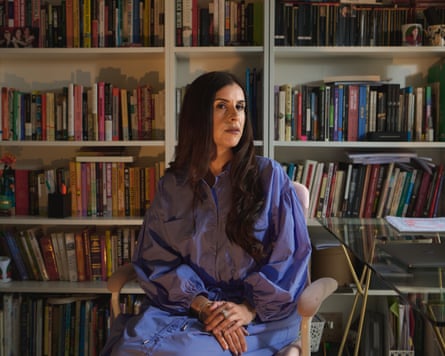
The announcement of the Writers' Week cancellation came as the ripple effects of the initial decision continued to spread throughout the international literary community. Prominent authors and academics had already publicly expressed their concerns about the handling of the situation, and media coverage had amplified the controversy far beyond Adelaide's borders. The festival board recognized that without decisive action, the reputational damage would extend to the entire Adelaide Festival brand, potentially affecting its ability to attract international participants and sponsors in future years.
Adelaide Writers' Week had built a distinguished reputation over its history as a premier literary event in Australia, showcasing both established and emerging voices in writing and intellectual discourse. The program had consistently attracted internationally acclaimed authors and provided a platform for diverse perspectives and rigorous debate. Its cancellation represented not just the loss of a specific event, but a symbolic moment in Australia's ongoing conversations about cultural programming, academic freedom, and institutional decision-making in complex political contexts.
The documents underscore the tension between maintaining inclusive programming and navigating the challenging realities of contemporary cultural institutions. Festival organizers faced genuine pressure from multiple directions: some constituencies demanded accountability and consequences for the initial decision regarding Abdel-Fattah's inclusion, while others argued strongly for maintaining the original programming despite the controversy. In this impossible position, leadership chose to prioritize institutional survival over individual program preservation.
The broader implications of this decision extend beyond Adelaide's cultural landscape. The incident highlights the vulnerabilities that major festivals face in an increasingly polarized environment, where decisions about programming and representation can trigger rapid mobilization and withdrawal of participation. It also raises questions about how cultural institutions should navigate competing values: artistic freedom and inclusion on one hand, and institutional stability and economic sustainability on the other.
Looking forward, the 2026 Adelaide Festival will proceed without its writers' week component, representing a significant structural change to an event that has evolved over decades. Festival leadership must now focus on rebuilding confidence among both domestic and international participants, demonstrating that the core festival can move forward successfully and that Adelaide remains a welcoming destination for diverse cultural programming. The success of this effort will depend largely on how thoughtfully organizers address the underlying concerns that prompted the initial controversy.
The released documents serve as an important record of institutional decision-making under pressure, illustrating how organizations make choices when facing competing demands and potential crises. They reveal the careful calculations and difficult trade-offs that occur behind closed doors when preserving cultural institutions requires painful choices. As South Australia's cultural sector reflects on these events, the documents provide valuable perspective on the complex landscape that contemporary arts organizations navigate.
The cancellation of Adelaide Writers' Week ultimately represents a pragmatic, if troubling, decision made by festival leadership confronting an unprecedented crisis. Whether this approach will prove effective in stabilizing the broader festival and restoring confidence among participants remains to be seen. The coming months and years will reveal whether sacrificing one program successfully preserved the larger institution or whether the underlying tensions will continue to affect Adelaide's cultural standing. For now, the documents stand as a testament to the difficult choices that modern cultural institutions must sometimes make when facing existential threats.
Source: The Guardian


