
Afghan Fathers Face Desperate Choice: Selling Children to Survive

As economic collapse grips Afghanistan, desperate families resort to unthinkable measures. Three in four people now struggle to meet basic needs in the crisis.
Afghanistan is experiencing an unprecedented humanitarian catastrophe that has pushed countless families to the brink of survival. The situation has become so dire that Afghan fathers are being forced to make agonizing decisions about their children's futures, with some resorting to selling their sons and daughters as a means of generating immediate income. This devastating reality reflects the gravity of Afghanistan's economic crisis, where an estimated three in four people are unable to afford even the most basic necessities required for daily survival.
The collapse of Afghanistan's economy accelerated dramatically following the Taliban's return to power in August 2021. Within months, international aid flows dried up, the banking system froze, and formal employment opportunities vanished almost entirely. Families that once had stable livelihoods found themselves destitute, with no savings to fall back on and no prospect of employment on the horizon. Many Afghans, particularly in rural areas, have exhausted every conventional means of survival and are now facing choices that no parent should ever contemplate.
The practice of selling children represents a particularly alarming symptom of the broader humanitarian crisis in Afghanistan. Desperate parents, unable to feed their families and lacking access to emergency assistance, view the sale of a child as a last resort to prevent the entire family from starving. These transactions often involve arranged marriages of young girls to older men, sometimes in neighboring countries, in exchange for immediate payment that helps the family survive for a few more months. In other cases, boys are sold into labor situations where they work in brutal conditions to support their impoverished families back home.
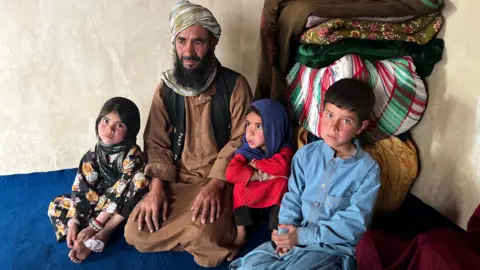
International organizations working in Afghanistan have documented the increasing prevalence of child trafficking and exploitation throughout the country. The United Nations and various NGOs report that the number of children being sold or trafficked has risen sharply since the economic collapse began. These organizations estimate that thousands of families are currently engaged in such transactions, though the actual figure may be significantly higher given the secretive nature of these deals and the lack of comprehensive monitoring systems in many regions. Each child lost to this system represents not only a personal tragedy but also a lost generation for Afghanistan's future.
The conditions that have created this crisis are multifaceted and deeply entrenched. Beyond the immediate economic collapse, Afghanistan faces severe food insecurity, with widespread malnutrition affecting children across the country. Healthcare systems have deteriorated to the point of near-complete dysfunction, leaving families unable to treat even common illnesses. Educational institutions have been disrupted, removing one of the few remaining pathways out of poverty for young people. The combination of these factors has created a perfect storm of desperation that leaves parents feeling they have no other options available to them.
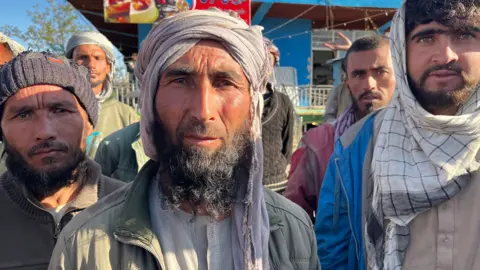
The broader context of Afghanistan's collapse involves the sudden withdrawal of foreign aid that had been sustaining government operations and social services. For decades, international donors had propped up Afghan institutions, but when the Taliban returned to power, most countries froze assistance pending recognition and various political conditions. This abrupt cessation of external support created an immediate vacuum that devastated the formal economy. Civil servants went unpaid, hospitals ran out of supplies, and schools closed due to lack of funding. The ripple effects spread rapidly through society as individuals lost their purchasing power and businesses shut down.
Women and children have been hit particularly hard by this economic catastrophe. Afghan women have seen their employment opportunities restricted, reducing household incomes at the exact moment when families are most desperate. Female-headed households, already vulnerable before the crisis, have found themselves in impossible situations with no source of income and children entirely dependent on them. The intersection of gender discrimination, economic collapse, and child vulnerability has created a particularly acute crisis for women and girls throughout the nation.
International responses to this crisis have been insufficient and fragmented. While some humanitarian organizations continue operating in Afghanistan, delivering food assistance and medical care, their efforts are vastly outmatched by the scale of need. Political complications surrounding recognition of the Taliban government have further complicated international aid efforts, with many countries reluctant to provide assistance through official channels. Meanwhile, individual families cannot wait for political negotiations to conclude; they must make immediate decisions about survival, regardless of the long-term consequences.
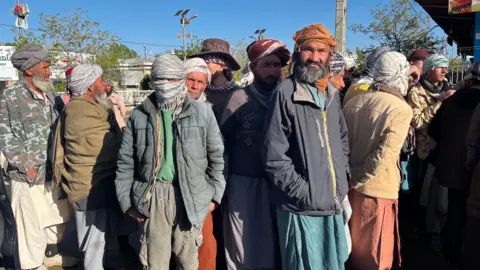
The psychological and social impacts of this crisis extend far beyond immediate economic deprivation. Parents who sell their children carry tremendous guilt and shame, even as they view it as their only option. Children who are separated from their families experience trauma that will likely affect them throughout their lives. Communities are being fractured as family units break apart under the pressure of survival. The social fabric that held Afghan society together is being torn apart by the relentless pressure of economic necessity, creating wounds that will take decades to heal even if the economic situation improves.
Looking forward, the situation in Afghanistan remains deeply troubling with little prospect of immediate improvement. The Taliban government faces enormous challenges in rebuilding the economy and establishing the legitimate governance that might attract international support. The international community remains divided on how to engage with Afghanistan, balancing humanitarian concerns with political objections to the Taliban's rule. Meanwhile, families continue making desperate choices about their children's futures, and the scale of trafficking and exploitation continues to grow. Without dramatic intervention and a fundamental shift in the international approach to Afghanistan, the humanitarian catastrophe will continue deepening, with vulnerable populations bearing the heaviest burden.
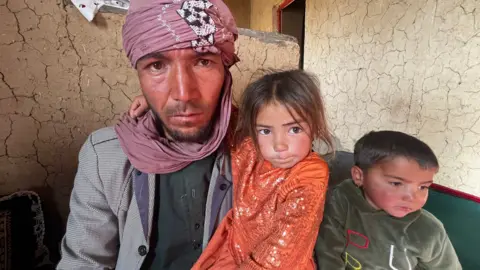
The situation of Afghan families represents one of the most pressing humanitarian challenges of our time. As three in four Afghans struggle to meet basic needs, the decisions parents are forced to make reflect not moral failure but rather the absolute desperation created by state collapse and economic devastation. The international community must recognize that this crisis demands urgent action, whether through direct humanitarian aid, diplomatic engagement to stabilize the situation, or support for regional countries hosting Afghan refugees. Without such intervention, the human cost will continue mounting, with an entire generation of Afghan children bearing the scars of this catastrophe.
Source: BBC News


