
Afghanistan Women Footballers Return to Competition

FIFA approves Afghanistan women's football team return to international play. Former captain Khalida Popal celebrates the decision as a symbol of resilience.
Afghanistan's women footballers are set to make a triumphant return to the international stage following FIFA rule changes that pave the way for their competitive comeback. The decision marks a significant milestone for female athletes in the nation, offering renewed hope and opportunity for a sport that has faced considerable obstacles in recent years. Former captain Khalida Popal, a pioneering figure in Afghanistan women's football, has praised the move as transformative for the sport and the nation as a whole.
Khalida Popal expressed her enthusiasm about the approval, describing Afghanistan's women footballers as a "symbol of resilience" in the face of tremendous adversity. The former captain's remarks highlight the deeper significance of this development beyond the realm of sports—it represents a broader statement about perseverance, determination, and the power of athletic competition to inspire change. Popal's perspective, shaped by her own experiences navigating the challenges of women's sports in Afghanistan, underscores the cultural and social importance of this moment for the nation.
The road to this approval has been lengthy and fraught with complications. Afghanistan's women's football program faced severe restrictions and limitations that prevented athletes from competing on the international level, forcing many talented players into difficult circumstances. The lack of competitive opportunities had devastating consequences for players who dreamed of representing their country and advancing their athletic careers on a global stage.
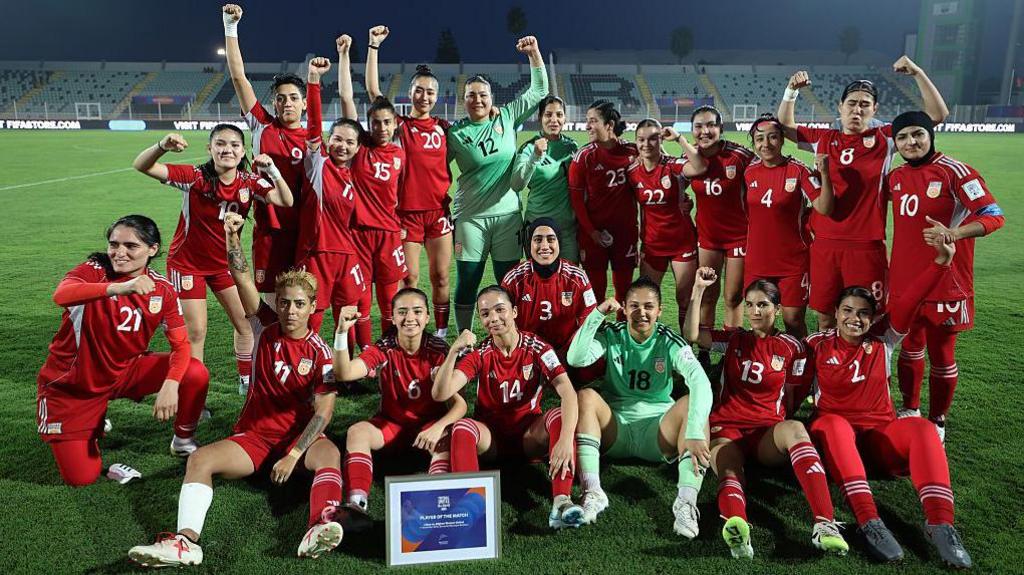
FIFA's decision to modify its regulations reflects a growing recognition of the importance of supporting women's athletics worldwide. The international governing body has increasingly focused on expanding opportunities for female footballers across all nations, regardless of their geographical or political circumstances. This commitment to inclusivity and equal opportunity has resulted in progressive policy changes that benefit athletes who have been historically marginalized or restricted from competition.
The approval comes at a particularly significant time, as Afghanistan continues to navigate complex political and social challenges that have impacted many aspects of daily life, including sports and recreational activities. Women's participation in athletics has been a contentious issue, with various obstacles preventing female athletes from pursuing their passion and developing their skills. The FIFA approval represents a breakthrough in overcoming these barriers and creating pathways for women to engage in competitive football at the highest levels.
Khalida Popal's role in advocating for women's football in Afghanistan cannot be overstated. As a former player and leader, she has been instrumental in fighting for recognition and support for the sport, even as circumstances have made her work increasingly challenging. Her continued advocacy and voice have been crucial in keeping international attention focused on the plight of Afghan women footballers and the importance of their return to competition.

The implications of this return to international football extend far beyond the pitch. For Afghanistan's young women, this development provides inspiration and demonstrates that their dreams of becoming elite athletes are not impossible, despite the obstacles they face. It sends a powerful message that international bodies recognize the value of women's participation in sports and are willing to take concrete steps to support and enable such participation.
The resilience symbol that Popal mentions speaks to the broader narrative of Afghan women's determination and strength. Throughout history, Afghan women have demonstrated remarkable courage and persistence in pursuing education, careers, and personal development despite systemic challenges. Their approach to football reflects this same spirit—a refusal to accept limitations and a commitment to achieving their goals against the odds.
Implementation of these FIFA rule changes will require coordination between international football authorities and Afghan sports organizations. The practical aspects of enabling competition—including team preparation, training facilities, travel arrangements, and scheduling—will all need careful planning and support. International bodies and partner nations will likely play crucial roles in facilitating the logistical requirements for Afghanistan's women footballers to compete effectively.
The return of Afghanistan women's football to international competition also carries symbolic weight in global conversations about women's rights and gender equality. Sports serve as a powerful platform for demonstrating progress on these important social issues, and Afghanistan's women footballers will undoubtedly use their return to amplify discussions about female empowerment and opportunity. Their presence on the international stage represents a significant step forward in normalizing women's participation in competitive athletics across all nations.
Looking ahead, the focus will shift to ensuring that Afghanistan's women footballers receive adequate support, resources, and opportunities to prepare for international competition. Training programs, coaching expertise, and financial backing will all be essential components of building a competitive team capable of representing the nation with pride. The international football community's continued support will be vital in enabling sustained success for Afghan women athletes.
Khalida Popal's remarks about resilience also acknowledge the personal journeys of individual players who have persisted in their love for the sport despite tremendous challenges. Each athlete on Afghanistan's women's football team carries a unique story of determination and sacrifice, having pursued their passion even when circumstances seemed insurmountable. Their collective return to international competition represents a validation of their efforts and a recognition of their worth as athletes.
The FIFA approval for Afghanistan women footballers serves as a reminder of the transformative power of sports to create opportunities and inspire social change. By enabling these athletes to compete internationally, FIFA has taken a meaningful step toward advancing gender equality and supporting women's participation in athletics globally. The decision reflects an understanding that sports transcend politics and geography, offering universal values of competition, teamwork, and personal excellence that benefit all participants.
As Afghanistan's women footballers prepare to return to international competition, they carry not only their own aspirations but also the hopes and dreams of countless young girls who look to them as role models. Their success on the pitch will demonstrate the possibilities available to Afghan women and girls, potentially inspiring a new generation to pursue sports and athletics. The symbol of resilience that former captain Khalida Popal identified will continue to shine brightly as these athletes represent their nation on the world stage, embodying the strength and determination that define Afghan women's character and spirit.
Source: BBC News


