
AI Data Centers Coming to Your Home

San Francisco startup SPAN plans to install mini data centers in residential neighborhoods, offering homeowners subsidized electricity and internet access in exchange for hosting GPU computing nodes.
The artificial intelligence industry's insatiable appetite for computational power has sparked an innovative solution that could fundamentally reshape how we think about data infrastructure. Rather than constructing massive warehouse-sized facilities in remote locations, a San Francisco-based startup named SPAN is proposing to bring distributed data center solutions directly into residential neighborhoods as part of new home installations. Under this groundbreaking model, homeowners would receive substantial benefits including subsidized electricity rates, complimentary high-speed internet access, and advanced backup battery systems in exchange for hosting specialized computing equipment on their properties.
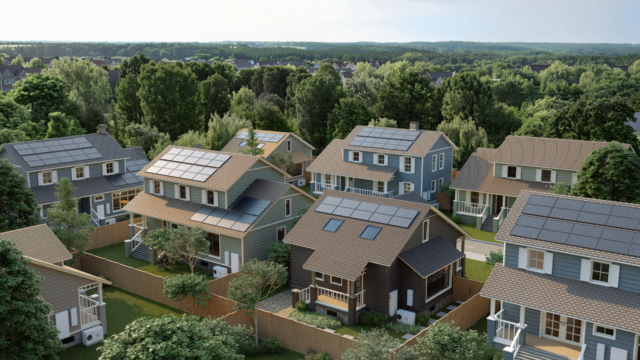
The company has already initiated pilot testing programs and plans to launch a comprehensive 100-home trial later this year to validate the feasibility and effectiveness of this residential computing infrastructure concept. This represents a significant departure from traditional data center deployment strategies and could potentially address one of the technology industry's most pressing challenges: meeting the explosive demand for AI computational resources while avoiding the massive capital expenditures and time-consuming construction processes typically associated with building large-scale facilities.
SPAN's innovative approach centers on deploying thousands of XFRA nodes throughout participating neighborhoods, each containing liquid-cooled Nvidia RTX Pro 6000 Blackwell Server Edition GPUs that operate with minimal acoustic disturbance. According to the company's official announcement, these advanced processing units are engineered to function quietly and discretely within residential settings, addressing aesthetic and noise concerns that have traditionally limited data center placement options in populated areas.
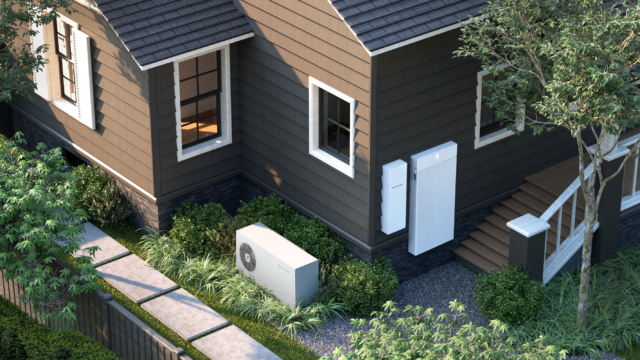
The fundamental premise driving this initiative is elegantly straightforward yet profoundly impactful. By tapping into the excess power capacity distributed across millions of American households, SPAN believes it can rapidly expand the available computational resources required to train and operate increasingly sophisticated AI models. This approach circumvents the conventional bottlenecks that plague large-scale data center expansion, including lengthy construction timelines that have contributed to significant delays in the sector, material shortages, regulatory hurdles, and the enormous upfront capital investments required for traditional infrastructure development.
According to recent industry reports, construction delays have affected approximately 40 percent of major data centers planned for development in 2026, highlighting the critical urgency of finding alternative deployment strategies. SPAN's distributed model offers a compelling solution to these infrastructure challenges by leveraging existing residential electrical systems and converting what would otherwise be underutilized capacity into productive computational assets that benefit the broader AI ecosystem.
Chris Lander, who serves as vice president of XFRA at SPAN, articulated the company's vision in conversations with technology media outlets, emphasizing the stark contrasts between conventional and residential-based approaches. "Data centers are loud, ugly, and often drive up local electricity bills," Lander explained, underscoring the negative externalities associated with traditional industrial computing facilities. "[Our solution] is quiet, discreet, and makes energy more affordable for the host and community," he continued, highlighting the triple benefit of reduced noise pollution, improved aesthetics, and financial incentives for participating homeowners.
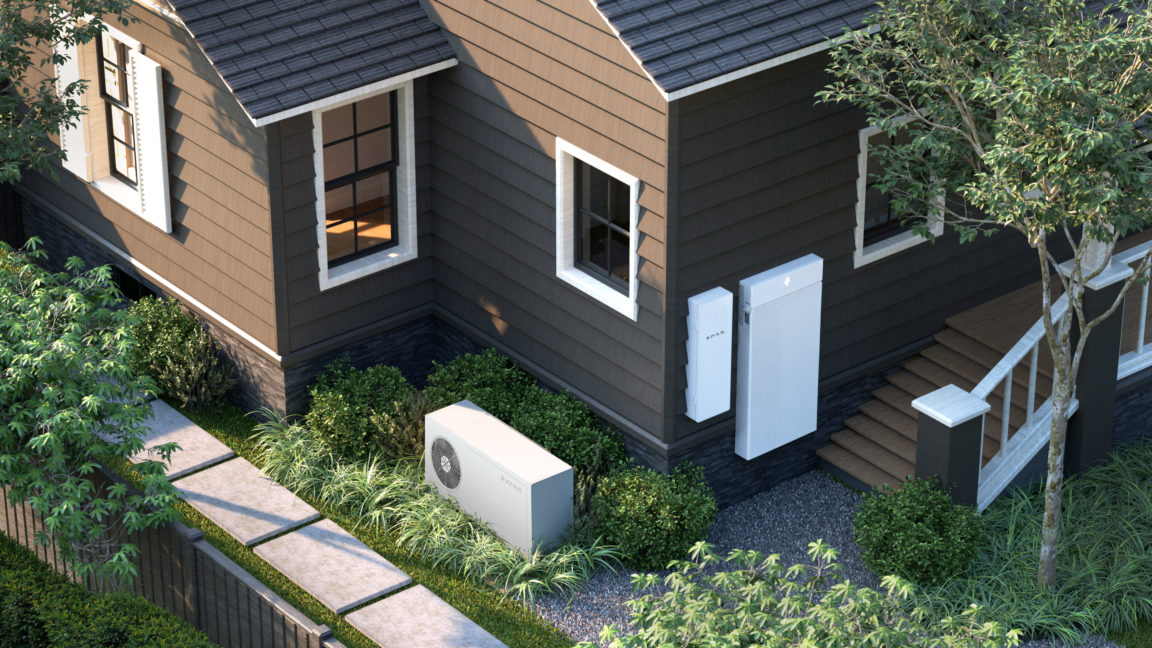
The economic proposition presented to homeowners appears genuinely attractive and mutually beneficial. Rather than paying standard market rates for electricity and internet connectivity, participants in the XFRA program would receive significantly reduced rates as compensation for providing physical space and electrical capacity to support the computing nodes. Furthermore, the inclusion of sophisticated battery backup systems adds substantial practical value, ensuring continuous power supply during grid outages and providing homeowners with enhanced energy resilience and reliability.
The technical specifications of the XFRA nodes reflect careful engineering designed specifically for residential deployment. The liquid-cooling technology employed in these systems represents a substantial advancement in thermal management, allowing high-performance GPUs to operate at optimal efficiency while generating minimal heat and noise—critical factors for neighborly coexistence and regulatory compliance in residential zones. This cooling approach enables the powerful Blackwell Server Edition processors to deliver exceptional computational performance without the environmental disruption typically associated with data center operations.
SPAN's pilot program represents a critical testing phase that will validate numerous assumptions underlying the distributed data center model. The company will evaluate technical performance metrics, assess residential integration challenges, measure actual power consumption patterns, and gather comprehensive feedback from homeowner participants. The results from this initial 100-home deployment will directly inform the company's strategy for potential large-scale national expansion, potentially transforming how the technology industry addresses its growing computational infrastructure requirements.
The timing of this initiative could hardly be more opportune, as the AI industry continues experiencing explosive growth that continuously outpaces available computing capacity. Major technology companies have increasingly acknowledged that computational constraints represent a significant limitation on their ability to develop and deploy larger, more capable artificial intelligence models. Traditional data center construction timelines—often spanning 18 to 36 months from initial planning through operational deployment—have proven inadequate for meeting the velocity of AI development and the accelerating demand for processing power.
If successfully implemented at scale, SPAN's distributed approach could fundamentally alter the competitive landscape for AI infrastructure provision. Rather than concentrating computing resources in a small number of massive facilities owned and operated by technology giants, this model could democratize access to computational resources and enable broader participation in AI development and deployment activities. Homeowners could essentially become participants in the infrastructure underlying modern artificial intelligence, receiving tangible benefits while contributing to technological advancement.
The concept also resonates with broader trends toward distributed systems architecture and edge computing, which have gained momentum as organizations seek to reduce latency, improve resilience, and distribute computational loads more efficiently across geographic areas. SPAN's approach represents a natural extension of these principles applied specifically to residential energy and infrastructure resources. By treating homes as micro-nodes within a larger distributed network, the company leverages established utility infrastructure while avoiding the substantial environmental and economic costs associated with centralized mega-facilities.
The regulatory landscape governing such deployments will likely prove as important as the technical specifications and economic incentives. Local zoning regulations, electrical codes, homeowners association rules, and emerging AI infrastructure policies will all factor into the feasibility and scalability of this initiative. SPAN's pilot program will presumably generate valuable insights into how to navigate these regulatory complexities and develop models that can be replicated across diverse jurisdictions with varying regulatory frameworks.
As the artificial intelligence industry continues its rapid evolution and expansion, creative solutions to computational infrastructure constraints will likely receive increasing attention from investors, policymakers, and technology leaders. SPAN's distributed data center concept represents one promising approach to addressing the critical challenge of providing sufficient computational resources to fuel AI development while avoiding the massive capital expenditures, construction delays, and environmental impacts characteristic of traditional data center deployment strategies. The company's pilot program this year will provide crucial evidence regarding whether this innovative model can successfully transition from concept to large-scale operational reality.
Source: Ars Technica


