
AI Law Firm Faces Sanctions Over Fake Citations in Meta Lawsuit

Chicago man's defamation case against Facebook users dismissed, AI law firm MarcTrent.AI faces potential sanctions for fabricated legal citations in appeal.
A significant legal misstep involving artificial intelligence has put a Chicago-based litigation effort in jeopardy, as lawyers relying on an AI-powered law firm face potential sanctions for what appears to be fabricated legal citations. The case centers on an attempt to force Meta to remove a critical post from a popular Chicago Facebook group known as "Are We Dating the Same Guy," a community forum where users share experiences about their romantic encounters.
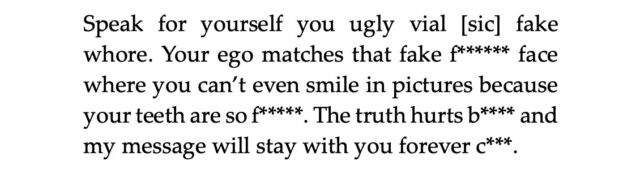
Nikko D'Ambrosio initiated the legal action against more than two dozen women, accusing them of defaming his character through posts in the Facebook group. His complaint also targeted Meta Platforms, arguing that the social media company deliberately amplified the critical post to capitalize on its "entertainment value" and generate engagement. The original lawsuit sought to pressure Meta into removing the allegedly defamatory content from the platform.
A district court previously dismissed the case with prejudice, a legal term meaning the complaint cannot be refiled or amended to correct its fundamental flaws. Despite this substantial setback, D'Ambrosio chose to appeal the dismissal, a decision that raised eyebrows among legal observers given the strength of the original ruling against his position. His legal strategy relied heavily on arguments regarding doxing—the practice of publicly releasing private information about individuals without consent.

The key player in this legal drama is MarcTrent.AI, an AI legal services firm that markets itself as a revolutionary approach to litigation strategy. According to the company's promotional materials, MarcTrent.AI leverages artificial intelligence technology to "uncover legal opportunities traditional firms miss" and claims to "increase legal success rates by 35 percent through predictive modeling." The firm positions itself as bringing cutting-edge technology to the legal profession, promising clients that algorithmic analysis can identify winning strategies that conventional legal analysis might overlook.
However, the appeal brief filed on D'Ambrosio's behalf contained what legal experts and opposing counsel identified as suspicious citations to legal precedents. Upon investigation, these citations appeared to be entirely fabricated—legal cases that either do not exist or were significantly misrepresented in how they were cited. This discovery has raised serious questions about the reliability of AI-generated legal research and whether artificial intelligence systems are hallucinating or creating false legal authority.
The use of fake citations in legal documents represents one of the most serious ethical violations in the legal profession. Courts depend on accurate citations to verify that arguments are grounded in legitimate precedent and established law. When citations are fabricated, it undermines the entire foundation of legal argumentation and wastes judicial resources. Several high-profile cases in recent years have involved lawyers using AI research tools that generated fictitious case citations, leading to bar discipline and professional consequences.

The situation illustrates a broader concern about the integration of artificial intelligence in legal practice. While AI tools have significant potential to improve legal research efficiency and identify patterns in case law, the technology has demonstrated a troubling tendency to generate plausible-sounding but entirely false information. This phenomenon, known as "hallucination" in AI terminology, has become increasingly recognized as a critical limitation of large language models and other AI systems used in professional contexts.
Legal ethics rules require attorneys to verify the accuracy of citations and factual claims made in court filings. The responsibility for ensuring compliance with these rules ultimately rests with the lawyer, even when utilizing AI tools or AI-powered legal services. Courts have begun imposing sanctions on attorneys who rely on AI-generated research without adequate verification, sending a clear message that professional responsibility cannot be delegated to machines.
D'Ambrosio's initial complaint against the women in the Facebook group centered on claims that their posts constituted defamation—false statements causing harm to his reputation. However, courts have consistently protected speech in similar contexts, particularly when posts reflect personal experiences or opinions rather than provably false factual assertions. The "Are We Dating the Same Guy" Facebook group operates specifically to allow users to share dating experiences, and courts generally recognize such forums as protected spaces for opinion and personal narrative.
Meta's Section 230 immunity also played a significant role in the original dismissal. This provision of the Communications Decency Act shields social media platforms from liability for content posted by users, preventing companies like Meta from being sued for defamatory statements made by their users. D'Ambrosio's effort to hold Meta responsible for supposedly amplifying the post faced an uphill legal battle given this well-established protection for online platforms.
The sanctions that now loom for D'Ambrosio's legal team could include monetary penalties, attorney fee awards to the opposing party, and potentially referrals to state bar associations for disciplinary review. Such consequences would extend beyond the immediate case and could affect the professional standing and reputation of any attorneys involved in filing the defective appeal brief. For MarcTrent.AI, the incident represents a serious credibility challenge to its business model and marketing claims about AI-enhanced legal success rates.
This case serves as a cautionary tale about the limitations of AI technology in professional services and the risks of over-relying on automated systems without proper human oversight and verification. The legal profession continues to grapple with how to effectively integrate AI tools while maintaining the ethical standards and accuracy requirements that courts and clients rightfully expect. As artificial intelligence becomes more prevalent in law firms, establishing clear protocols for verification and maintaining professional responsibility standards becomes increasingly critical for protecting the integrity of the legal system.

The broader implications of this situation extend to how the legal industry evaluates and adopts new technologies. While innovation and efficiency improvements are valuable, they cannot come at the expense of accuracy and reliability. Law firms considering AI tools must carefully assess their capabilities and limitations, implement robust verification procedures, and ensure that any technology adoption enhances rather than compromises their ability to serve clients ethically and effectively. The D'Ambrosio case demonstrates that cutting-edge tools are only as good as the human judgment and oversight applied to them.
Source: Ars Technica


