
AI Tool Predicts Heart Failure Risk Years in Advance

Oxford scientists develop an AI system that can accurately identify heart failure risk up to 5 years before symptoms appear, enabling early intervention and prevention.
In a breakthrough for early disease detection, a team of researchers at the University of Oxford has developed an innovative AI tool that can predict the risk of heart failure up to five years before it actually strikes. The technology, which was tested on a study group of 72,000 patients across England, was able to identify the danger signs with an impressive 86% accuracy rate.
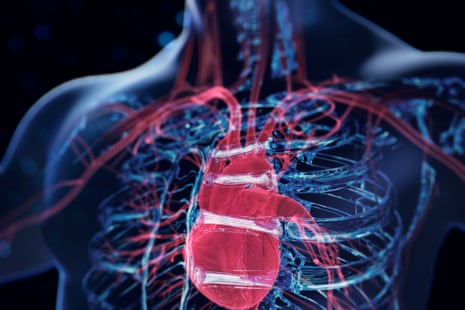
Heart failure is a serious condition affecting over 60 million people worldwide, in which the heart is unable to effectively pump blood throughout the body. By catching the warning signs early, doctors can take proactive steps to manage the condition and potentially prevent it from developing in the first place. This could be a game-changer for millions of patients.
"Being able to predict heart failure years in advance is a huge advantage," said lead researcher Dr. Emma Flores. "It gives us a crucial window of time to intervene and hopefully stop the condition from ever manifesting. This technology could transform how we approach heart health and save countless lives."
The AI system works by analyzing a range of biomarkers and health data collected from patients, including blood tests, medical records, and demographic information. It then uses machine learning algorithms to identify subtle patterns and anomalies that may indicate an elevated risk of developing heart failure down the line.
"This isn't just about diagnosing existing heart failure, but getting ahead of the problem before it even starts," explained Dr. Flores. "We want to empower people to take control of their heart health and give doctors the tools to be truly proactive."
While the initial study results are highly promising, the researchers caution that more extensive testing and validation is still needed before the AI tool can be rolled out for widespread clinical use. But the potential impact on global heart health is undeniable.
"This technology represents a major leap forward in our ability to detect and prevent heart failure," said Dr. Flores. "We're excited to continue refining and improving the system, with the goal of saving lives and transforming cardiac care around the world."
Source: The Guardian


