
AI Translator Stirs Controversy in Video Game Preservation Community

A new AI-powered translation tool sparked backlash from the Gaming Alexandria community, raising concerns about the reliability of AI for preserving gaming history.
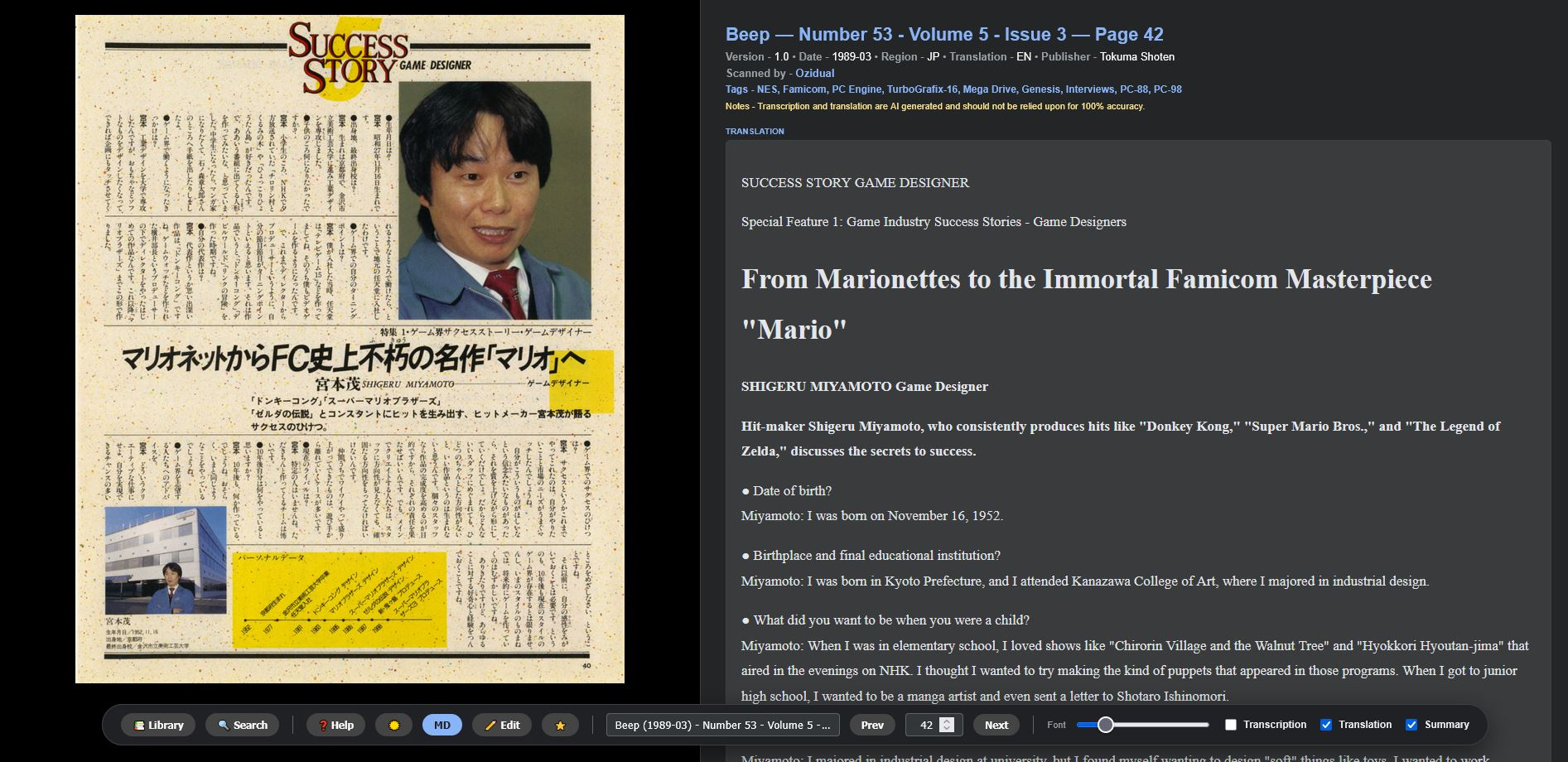
AI-powered translation tools have been rapidly gaining capabilities, but their use in sensitive domains like video game preservation is proving controversial. The recent launch of the Gaming Alexandria Researcher project, which aimed to translate scanned Japanese gaming magazines using vibe coding techniques, has split the preservation community.
Coder Dustin Hubbard created the project to help organize and translate the hundreds of scanned Japanese gaming magazines he's maintained on the Gaming Alexandria platform. However, a day after the project went public, Hubbard issued an apology to many members of the community who loudly objected to the use of Patreon funds for an error-prone AI-powered translation effort.
The controversy highlights the ongoing tension around using AI tools for sensitive tasks like preserving gaming history. While some see AI as a way to speed up and streamline such efforts, others are wary of the reliability and accuracy issues that can arise.
Proponents of the vibe coding approach, which involves quickly assembling AI-powered projects with minimal human involvement, argue that it can significantly boost productivity and reduce costs. However, critics counter that this approach often sacrifices quality and attention to detail, which are critical for preserving cultural heritage like gaming magazines.

The Gaming Alexandria incident is just the latest example of the growing pains surrounding the use of AI in specialized domains. As these technologies continue to advance, it will be crucial for communities to carefully evaluate the trade-offs and ensure that the preservation of their cultural assets is not compromised in the name of efficiency.
In the end, the vibe coding controversy serves as a reminder that AI tools, no matter how powerful, are not a panacea for complex problems. Striking the right balance between automation and human expertise will be key as these technologies continue to shape the future of digital preservation.
Source: Ars Technica


