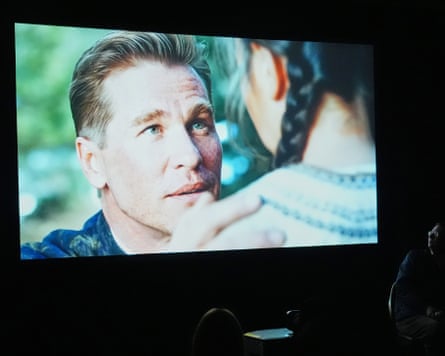
AI Will Replace Actors in Two Years, La Haine Director Claims

Mathieu Kassovitz predicts audiences won't distinguish AI from real actors soon. The acclaimed director dismisses copyright concerns in new AI filmmaking venture.
Mathieu Kassovitz, the visionary director behind the critically acclaimed film La Haine, has made a bold prediction about the future of cinema that is sure to spark debate within the entertainment industry. The filmmaker, who is currently developing an AI-enabled film project, believes that within just two years, audiences will become completely indifferent to whether the actors they're watching on screen are human or artificially generated. This provocative statement challenges conventional wisdom about the irreplaceable nature of human performance in film.
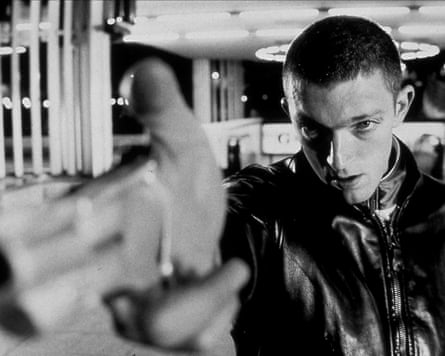
Kassovitz's acclaimed 1995 film La Haine remains a masterpiece of social cinema, capturing the raw and unfiltered reality of life in the Paris suburbs with a documentary-like authenticity that resonated globally. The film's gritty realism and powerful portrayal of marginalized communities established Kassovitz as a serious artistic voice in international cinema. Yet today, the director finds himself at the forefront of a technological revolution that promises to fundamentally transform how films are made and experienced by audiences worldwide.
In a candid interview with The Guardian, Kassovitz has embraced artificial intelligence as "the last artistic tool we need" for contemporary filmmaking. His enthusiastic endorsement of the technology demonstrates a significant philosophical shift in how established filmmakers view the role of emerging technologies in creative expression. Rather than viewing AI in cinema as a threat to artistic integrity, Kassovitz positions it as the natural evolution of the filmmaker's toolkit, comparable to how previous generations adopted new camera techniques and editing methods.

The director's perspective on copyright and AI-generated content is equally provocative. When asked about concerns that artificial intelligence might infringe upon the intellectual property rights of actors, writers, and other creative professionals, Kassovitz dismissed these worries with remarkable directness. His dismissal of copyright protections in the context of AI development reflects a broader debate within the creative community about how intellectual property laws should evolve in the age of machine learning and generative technologies.
This stance represents a stark contrast to the widespread anxiety expressed by many actors' unions and industry organizations worldwide. The Screen Actors Guild and similar organizations globally have raised serious concerns about the potential for AI to replace human performers while still benefiting financially from their likenesses and performances. These organizations argue that without robust copyright protections and fair compensation mechanisms, actors—particularly those without significant bargaining power—could face severe economic hardship as studios opt for cheaper AI alternatives.
Kassovitz's current project represents a tangible example of these theoretical discussions becoming practical reality in film production. By actively developing an AI-enabled film, the director is not merely speculating about future possibilities but actively participating in the technological transformation of cinema. His hands-on experience with artificial intelligence in the creative process positions him as a rare voice among established directors—someone with genuine expertise in both traditional filmmaking and cutting-edge AI applications.
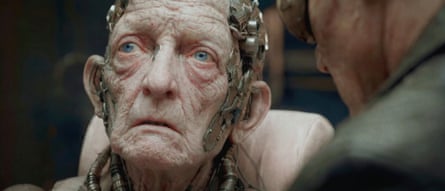
The timeline Kassovitz proposes is particularly significant. By suggesting that complete audience indifference to the human-versus-AI distinction would occur within two years, he is making a claim about the rapid pace of technological adoption and the speed at which human perception can adapt to new creative mediums. This assessment aligns with observations about how quickly audiences have embraced previous technological innovations in cinema, from the transition to sound and color, to digital cinematography and computer-generated imagery.
The broader implications of Kassovitz's prediction extend far beyond individual films or creative decisions. If audiences truly become unable or unwilling to distinguish between performances by human actors and AI-generated actors, this could fundamentally reshape the economics of film production. Studios would face powerful financial incentives to shift toward AI-generated performances, as the costs of hiring, managing, and compensating human actors are substantial and ongoing. This economic pressure could cascade through the entire entertainment industry, affecting not just actors but all creative professionals who depend on traditional film production workflows.
Kassovitz's optimistic view of this technological shift stands in marked contrast to concerns raised by many performers and their representatives. While he emphasizes the artistic potential and inevitability of AI in entertainment, critics worry about the loss of meaningful employment for human actors and the degradation of a craft that has been central to cinema since its inception. The question of whether audiences will truly care about the nature of performance—whether it's human or artificial—remains hotly contested even as technology advances rapidly toward that possibility.
The copyright question that Kassovitz casually dismisses, meanwhile, remains legally and ethically complex. Current artificial intelligence systems are trained on vast datasets of existing creative works, including films, photographs, and other media created by human artists. Without proper licensing agreements or compensation mechanisms, these training processes could constitute a form of intellectual property theft, according to many legal experts and creators' rights advocates. Kassovitz's apparent indifference to these concerns may reflect his conviction that such legal frameworks will inevitably become obsolete in an AI-driven creative landscape.
As AI technology continues evolving, the predictions and perspectives of influential filmmakers like Kassovitz will likely carry significant weight in shaping industry norms and practices. Whether audiences ultimately embrace or reject AI-generated performances may depend less on technical quality and more on cultural attitudes that industry leaders like Kassovitz help cultivate. His willingness to openly advocate for the artistic potential of artificial intelligence may accelerate acceptance within creative communities that might otherwise resist the technology.
The coming years will test Kassovitz's bold predictions. As more filmmakers experiment with AI-generated content and audiences encounter increasingly sophisticated artificial performers, the true measure of audience indifference or acceptance will emerge. Whether the director's two-year timeline proves accurate or merely optimistic, his current work on an AI-enabled film project places him at the center of one of contemporary cinema's most consequential technological transitions.