
Air India Crisis Worsens Before Crash Report

Air India grapples with leadership challenges and financial strain following a major aircraft incident. Recovery efforts face significant headwinds.
Air India, India's flagship carrier, is navigating through unprecedented turbulence as it confronts a multifaceted crisis encompassing leadership vacuum, substantial financial deterioration, and the looming release of a comprehensive investigation report into a major aircraft accident. The airline's situation has become increasingly precarious in recent weeks, with multiple operational and administrative challenges converging to create what industry observers describe as the most significant challenge the carrier has faced in recent memory.
The Air India crash incident that prompted the investigation has cast a long shadow over the airline's operations and public perception. As the final report from aviation authorities approaches release, stakeholders across the industry are bracing for revelations that could have far-reaching implications for the carrier's future operations, safety protocols, and regulatory standing. The uncertainty surrounding the report's contents has added another layer of complexity to an already strained situation.
At the heart of the airline's troubles lies a critical leadership gap that has hampered decision-making and strategic planning. Senior management positions remain unfilled or in transition, leaving the organization without clear direction during a period when decisive leadership would be invaluable. This administrative void has rippled through various departments, affecting everything from operational efficiency to investor relations and public communications.
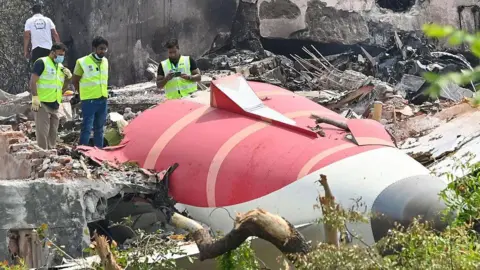
The financial performance of Air India has deteriorated markedly, with mounting losses eroding shareholder confidence and complicating efforts to secure funding for essential operational upgrades and fleet maintenance. Financial losses have accelerated beyond previous projections, with the airline reporting quarterly results that fell significantly short of industry expectations. Analysts attribute these losses to a combination of factors including fuel price volatility, increased competition from low-cost carriers, and the operational disruptions stemming from the crash investigation.
The airline recovery process has proven more complex than initially anticipated, with the crash having broader implications than damage to a single aircraft. The incident has prompted intensive scrutiny of Air India's safety procedures, maintenance protocols, and pilot training standards. Regulatory bodies have launched comprehensive audits that have temporarily disrupted normal flight schedules and required substantial resource reallocation to address compliance concerns.
Investor sentiment toward Air India has notably soured in recent months, reflected in declining stock valuations and reduced institutional investment. The combination of poor financial results, questions about safety culture, and governance uncertainties has made the airline less attractive to potential investors at a time when capital injection would be beneficial. Several analysts have downgraded the airline's investment outlook, citing concerns about both near-term profitability and long-term strategic direction.

The timing of these challenges is particularly unfortunate, as the aviation sector in India has been experiencing robust growth overall. While competitors have capitalized on expanding domestic and international routes, Air India has struggled to maintain market share, losing ground to both established rivals and emerging low-cost carriers that have proven more agile in responding to market demands. The airline's higher cost structure, legacy pension obligations, and aging fleet have made it difficult to compete on pricing while maintaining profitability.
Human resources challenges compound the operational difficulties facing the organization. Employee morale has declined amid the crisis, with workforce uncertainty about the airline's future creating challenges in recruiting and retaining skilled personnel. Flight crews, ground staff, and maintenance technicians have expressed concerns about job security and working conditions, potentially impacting service quality and operational safety margins.
The anticipated release of the final Ahmedabad crash report represents both a potential turning point and a source of anxiety for Air India's stakeholders. If the investigation attributes the incident to mechanical failure or maintenance lapses, it could expose the airline to significant legal liability and regulatory penalties. Conversely, if the report identifies factors beyond the airline's control, it might provide some relief from accountability while still requiring operational modifications to prevent future incidents.

Government involvement remains a critical variable in Air India's crisis trajectory. As a partially state-owned enterprise, the airline has certain advantages in terms of potential government support and regulatory influence, but also faces heightened scrutiny regarding corporate governance and public fund utilization. Officials have indicated that any significant financial assistance would be contingent upon demonstrated improvement in operational efficiency and safety standards.
The reputation damage sustained by Air India extends beyond investor circles and regulatory bodies to encompass consumer perception and brand equity. Customer surveys indicate declining confidence in the airline's safety and reliability, with some travelers actively avoiding Air India flights in favor of perceived safer alternatives. This erosion of brand trust represents a long-term challenge that will require sustained effort to rebuild.
Industry observers suggest that Air India's path forward requires multifaceted intervention addressing organizational restructuring, fleet modernization, cost management, and safety culture enhancement simultaneously. The airline's recovery will likely depend on securing stable leadership, implementing aggressive operational improvements, and addressing the technical and procedural issues identified during the crash investigation. Without decisive action across all these fronts, the crisis could deepen further.
The release of the final crash report will represent a critical juncture for Air India, potentially clarifying contributing factors and informing the regulatory and operational responses required. Stakeholders across the aviation ecosystem, including competitors, safety regulators, and government officials, are watching closely as this situation unfolds, with implications that extend beyond Air India to the broader Indian aviation sector.
Source: BBC News


