
Airbnb Goes Beyond Rentals: Hotels, Groceries

Airbnb expands platform with boutique hotel bookings, grocery delivery, and new services. Here's what the travel giant plans next.
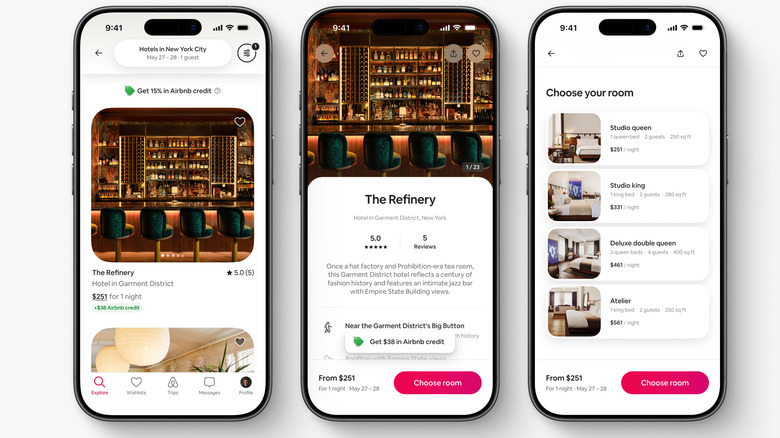
Airbnb, the global leader in online short-term rental accommodations, is making a significant strategic pivot that extends far beyond its core home-sharing business model. The company announced an ambitious expansion plan that will introduce thousands of boutique hotels and complementary services directly into its mobile application and website. This move represents one of the most substantial platform transformations since the company's founding, positioning Airbnb as a comprehensive travel and lifestyle services provider rather than a single-purpose accommodation marketplace.
The expansion reflects a broader industry trend where travel platforms are consolidating multiple services to create a one-stop destination for all traveler needs. By integrating hotel bookings alongside its existing short-term rental offerings, Airbnb aims to capture a larger share of the overall travel spending market. The addition of grocery delivery and other lifestyle services demonstrates the company's intention to become embedded in customers' daily lives, not just during vacation periods. This strategic diversification allows Airbnb to compete more effectively with established travel giants like Expedia and Booking.com while also challenging platforms like Instacart in the grocery delivery space.
Industry analysts point out that Airbnb's decision to enter the hotel booking market represents a calculated response to changing consumer preferences and market dynamics. While traditional hotels initially viewed Airbnb as a disruptive threat, the company now recognizes the value of offering hotel accommodations to provide customers with more diverse options depending on their specific travel circumstances. Some travelers prefer the flexibility and local charm of Airbnb properties, while others value the standardized services and amenities that established hotels provide. By offering both options within a single platform, Airbnb can cater to a broader customer base and increase booking frequency.
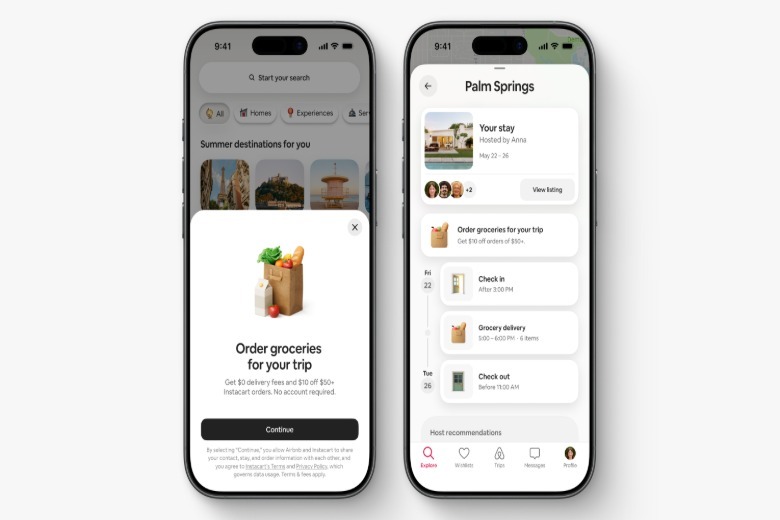
The integration of grocery delivery services into the Airbnb platform marks an even bolder expansion into consumer services. This addition enables guests to order groceries and household essentials directly through their Airbnb booking, creating a seamless experience for travelers who want to stock their rental properties with provisions upon arrival. The feature is particularly valuable for extended stays where guests may want to cook their own meals or families requiring specific dietary items. By partnering with grocery delivery providers or developing proprietary logistics capabilities, Airbnb transforms the booking experience from purely transactional to comprehensive lifestyle management.
The company's strategy of bundling multiple services within a single application reflects modern consumer expectations for convenience and integration. Rather than requiring customers to juggle multiple apps for accommodations, dining, activities, and supplies, Airbnb creates a unified ecosystem where all travel-related needs can be addressed in one place. This approach significantly enhances customer retention and increases the lifetime value of each user by making the platform more indispensable to their travel planning and execution. The data generated from users' diverse activities also provides Airbnb with deeper insights into customer preferences and behavior patterns.
Executing this expansion requires substantial operational and technical infrastructure. Airbnb's platform must now handle inventory management for hotels that operates differently than short-term rentals, manage supply chain logistics for grocery delivery partnerships, and maintain service quality standards across diverse provider networks. The company must also ensure that adding these new service categories doesn't compromise the user experience or overwhelm customers with choices. Careful interface design and personalized recommendations become crucial to helping customers navigate the expanded platform effectively.
The expansion also raises important questions about market competition and regulatory oversight. As Airbnb ventures into spaces occupied by established players like hotel chains, grocery delivery companies, and activity booking platforms, it may face competitive pushback and regulatory scrutiny. Some regions have already implemented restrictions on short-term rentals, and expanding into hotels and grocery delivery could attract additional regulatory attention. However, Airbnb's substantial resources and global presence position it well to navigate these challenges and establish itself as a credible competitor in new verticals.
Customer acquisition costs represent another important consideration in this expansion strategy. By offering multiple services through a single platform, Airbnb can amortize customer acquisition costs across more diverse revenue streams. A single customer acquired for hotel bookings can also be engaged with grocery delivery services, experiences, and other offerings. This approach maximizes the return on marketing investments and makes the overall economics of customer acquisition more sustainable. Furthermore, bundled services encourage cross-selling opportunities that wouldn't exist if these functions remained separate.
The new experiences and services being added to the Airbnb platform extend beyond basic groceries and accommodations. The company is emphasizing activities, cultural experiences, and personalized services that enhance the overall travel experience. These might include tour bookings, restaurant reservations, transportation arrangements, and access to local events. By curating these experiences through its platform, Airbnb helps travelers discover authentic local activities while simultaneously creating additional revenue streams through commission-based arrangements with service providers.
The expansion strategy also reflects Airbnb's maturation as a company and its efforts to demonstrate sustained growth to investors. As the short-term rental market becomes increasingly saturated in mature markets, growth through new service categories offers a compelling narrative for future revenue expansion. Investors view platforms that successfully diversify their service offerings as having stronger growth trajectories than those dependent on a single business line. This expansion therefore serves both operational and financial objectives for the company.
Looking forward, observers expect the Airbnb platform expansion to continue evolving as the company identifies additional opportunities to serve travelers comprehensively. Payment integration, travel insurance options, and additional lifestyle services may be added over time based on customer feedback and market demand. The success of this expansion will likely influence how other sharing economy platforms approach diversification, potentially creating a new industry standard where comprehensive travel platforms dominate over specialized point solutions.
Source: Engadget


