
Airlines Get Green Light to Cancel Flights Early Over Fuel Shortages

New government plans allow airlines to cancel flights in advance due to fuel supply issues. Ministers aim to prevent last-minute disruptions this summer amid Middle East concerns.
Government ministers have unveiled a new regulatory framework that permits airlines to cancel flights in advance when facing potential fuel supply disruptions, a strategic move designed to minimize passenger inconvenience during peak travel seasons. The proposed policy represents a significant shift in how aviation authorities approach operational disruptions, prioritizing advance notice and planning over last-minute chaos that can strand thousands of travelers. This initiative comes amid growing concerns about fuel availability stemming from geopolitical tensions in the Middle East, which have raised questions about the stability and reliability of global jet fuel supplies.
Under the new arrangements, aviation carriers would be permitted to proactively cancel scheduled flights rather than face sudden operational shutdowns that could occur without warning. The rationale behind this approach centers on the principle that advance cancellation notices give passengers ample opportunity to make alternative travel plans, request refunds, or arrange rebooking on different flights. Rather than dealing with the frustration of surprise cancellations at departure time, travelers would receive notification well in advance, allowing them to adjust their schedules accordingly and reducing the cascading disruptions that typically follow unexpected flight cancellations.
The fuel shortage concerns triggering this policy shift relate specifically to potential supply chain interruptions affecting Middle Eastern oil production and distribution. Geopolitical instability in the region, combined with international sanctions and production challenges, has created uncertainty about the consistent availability of jet fuel at competitive prices. Ministers acknowledge that while the aviation industry maintains strategic fuel reserves, sustained supply disruptions could force carriers to make difficult operational decisions. By allowing advance cancellations, the government aims to give airlines the flexibility needed to manage fuel inventory responsibly while maintaining operational safety and financial viability.

Industry analysts suggest this policy change reflects a pragmatic understanding of modern aviation supply chain management and the interconnected nature of global fuel markets. When jet fuel availability becomes constrained, airlines face impossible choices: either continue normal operations risking dangerous fuel levels, or make last-minute operational decisions that devastate passenger schedules. The new framework provides a third option that balances safety, regulatory compliance, and customer service considerations. By enabling advance notice, the policy transforms a crisis scenario into a manageable situation where airlines and passengers can plan accordingly.
The timing of this announcement coincides with the busy summer travel season when millions of passengers book flights for holidays and business trips. Ministers recognize that summer represents the highest-demand period for airline operations, with planes frequently operating at capacity. Any disruption during these months affects not just individual travelers but entire tourism and business sectors. By establishing clear protocols for advance cancellations during fuel shortage situations, authorities hope to prevent the chaos and economic damage that widespread last-minute cancellations would cause during peak season.
Under the regulatory framework, airlines would need to demonstrate to aviation authorities that fuel supply constraints genuinely justify flight cancellations. This requirement prevents carriers from casually canceling flights for minor supply issues or questionable reasons. The policy includes specific thresholds and documentation requirements that airlines must satisfy before proceeding with advance cancellations. This balanced approach protects passenger rights while acknowledging the genuine operational challenges that fuel scarcity presents to the aviation industry.
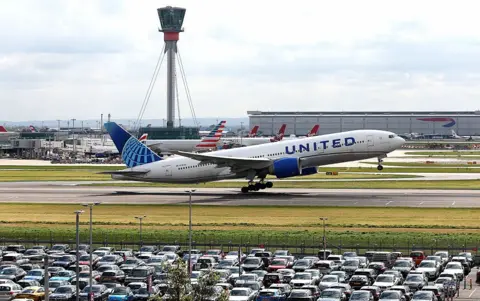
Passenger rights organizations have offered mixed responses to the new policy. While some acknowledge that advance flight cancellations are preferable to sudden disruptions, consumer advocates emphasize that carriers must provide transparent communication and fair compensation. The framework under discussion includes provisions requiring airlines to notify passengers as early as possible and to offer rebooking on alternative flights or full refunds. These protections ensure that the advance cancellation system, while beneficial for operational management, does not unfairly burden travelers who have already made commitments based on their flight bookings.
The Middle East remains the world's largest petroleum-producing region, and disruptions there have global consequences for refined fuel products including jet fuel. Geopolitical tensions affecting production, refining capacity, or transportation through critical waterways can quickly reduce available supplies. Airlines operating in competitive markets often purchase fuel in advance to lock in prices, but they maintain limited reserves due to storage costs and regulatory limitations. When supply chains experience stress, these relatively modest reserves become critically important to continued operations.
European and United Kingdom aviation authorities have coordinated on this policy approach, recognizing that fuel supply disruptions affect airlines across borders and impact international travel patterns. A carrier grounded in one country due to fuel shortages indirectly affects passengers and connecting flights throughout the entire network. This international dimension necessitates coordinated regulatory responses that all major aviation markets accept and implement consistently. The new framework represents an effort to establish clear, uniform procedures across jurisdictions.
Economists note that fuel costs represent one of the largest operational expenses for airlines, typically accounting for 20-35% of total operating costs depending on fuel prices. When fuel availability tightens, prices typically rise, creating dual pressures on airline operations. The combination of supply scarcity and price increases can quickly erode profit margins and force operational adjustments. Some industry observers suggest that allowing advance cancellations provides a safety valve that prevents airlines from operating at unsustainable fuel levels or at prices that threaten their financial stability.
The policy represents a departure from previous approaches that generally required airlines to maintain scheduled operations except in genuine emergency situations. However, supporters argue that genuine fuel shortage scenarios constitute legitimate emergencies warranting operational flexibility. When global supply chains experience stress, aviation safety requires that operators have adequate fuel reserves and cannot operate flights that would consume reserves below safe minimums. The new framework acknowledges this reality and creates appropriate regulatory channels for responding to such situations.
Implementation of the new policy will require airlines to establish clear procedures for communicating with authorities and passengers when fuel shortage concerns arise. Carriers will need to document supply chain challenges and demonstrate how they justify advance cancellations based on factual fuel availability data. Aviation regulators will monitor compliance and investigate any apparent misuse of the new policy provisions. This oversight ensures that airlines cannot exploit advance cancellation provisions for purposes unrelated to genuine fuel shortage scenarios.
Travel industry representatives generally support the policy as a practical solution to genuine operational challenges. Tour operators and travel agencies appreciate advance notice because it allows them to rebooking clients on alternative flights or make refund arrangements before the situation deteriorates. When cancellations occur with advance notice, travel professionals can manage customer expectations and facilitate smooth transitions to alternative arrangements. The chaos of last-minute cancellations, by contrast, overwhelms customer service operations and leaves passengers stranded without viable alternatives.
Looking forward, observers suggest this policy may establish a precedent for other supply chain-related operational disruptions in aviation. If fuel shortage protocols work effectively, similar frameworks might develop for addressing other potential challenges affecting airline operations. However, industry leaders emphasize that such policies must remain narrowly focused on genuine emergency situations to maintain public confidence in the stability and reliability of air travel. The balance between operational flexibility and service reliability will determine whether this initiative ultimately benefits passengers and the broader aviation ecosystem.
Source: BBC News


