
Alaska's Mega Tsunami: Climate Crisis Threatens Cruise Routes

481-metre tsunami in Alaska's Tracy Arm fjord sparked by glacial rockslide. Scientists warn of escalating coastal risks as climate change accelerates glacier retreat.
A catastrophic mega tsunami that struck Alaska's Tracy Arm fjord last summer has become the latest warning sign of how climate change is fundamentally reshaping the risks facing coastal communities and industries across the nation. Researchers studying the unprecedented event have concluded that the 481-metre wave represents not an isolated incident, but rather a harbinger of increasingly frequent and dangerous coastal hazards tied to rapid glacier retreat and destabilized terrain in mountainous regions worldwide.
The towering wall of water that surged through the fjord in August 2025 has been confirmed by the scientific community as the second-tallest tsunami ever recorded in human history. To comprehend the sheer magnitude of this phenomenon, consider that the famous Eiffel Tower in Paris reaches merely 330 metres in height—meaning this natural disaster dwarfed one of the world's most iconic structures by more than 150 metres. The wave's origin was traced to a massive rockslide that occurred at the base of a glacier in the region, triggering a chain reaction that sent tonnes of water rushing through the narrow fjord with devastating force.
Scientists have linked the triggering event directly to climate-induced glacier collapse, establishing a clear connection between global warming patterns and the mechanical failure of ancient ice formations. As temperatures continue to rise, glaciers worldwide are experiencing unprecedented rates of melting and structural degradation. This process destabilizes the surrounding rock faces and terrain that have been supported by ice for centuries, creating conditions ripe for catastrophic failures that can generate these devastating waves.

The Tracy Arm fjord is not an obscure, remote location. Rather, it represents a crucial waypoint on the cruise ship itineraries of major tourism operators who ferry tens of thousands of visitors through Alaskan waters annually. The proximity of this mega tsunami event to established cruise ship routes underscores a troubling reality: the very geological instabilities being triggered by climate change are occurring in areas where human activity is most concentrated. Cruise operators have long marketed Alaska as a pristine wilderness destination, with glacial fjords being among the most sought-after attractions for travellers seeking authentic Arctic experiences.
The implications for the cruise industry are profound and multifaceted. Beyond the immediate safety concerns for passengers and crew, the study raises questions about the long-term viability of current maritime routes and the adequacy of existing early warning systems. While no casualties were reported from last year's tsunami—in part due to the relative isolation of the event and the fortunate timing regarding vessel presence—scientists caution that future events may not be as benign. The dynamic nature of glacier retreat means that previously stable mountainsides are now becoming increasingly vulnerable to failure.
The research team involved in analysing this event has emphasised that the Tracy Arm incident should serve as a catalyst for comprehensive reassessment of coastal hazard mitigation strategies throughout Alaska and similar regions experiencing rapid environmental change. Current monitoring systems were developed based on historical patterns of geological stability that no longer apply in an era of accelerating climate impacts. New protocols will need to account for the possibility of larger, more frequent rockslides and the tsunamis they generate.
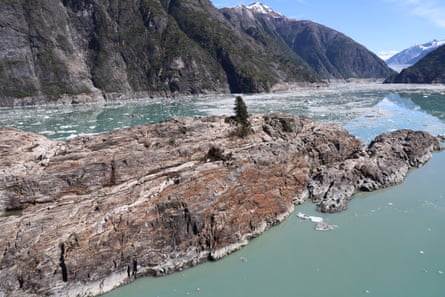
The mechanics of how a rockslide generates such an enormous tsunami involve the sudden displacement of water when massive amounts of rock and debris enter a fjord. The confined nature of fjords amplifies wave effects, creating what oceanographers call a


