
Albanese Defends Labor's Tax Overhaul With Emotional Appeal

PM Anthony Albanese passionately defends controversial capital gains tax and negative gearing reforms, pledging to protect Australian aspiration for all.
Prime Minister Anthony Albanese delivered an emotionally charged statement this week, launching a comprehensive and impassioned defence of Labor's proposed capital gains tax reforms and negative gearing changes that have become the subject of intense public and political debate. Standing before parliament with visible emotion, Albanese articulated his government's determination to proceed with transformative tax policy adjustments announced in last week's federal budget, asserting firmly that he will "not allow Australia to become a country where aspiration is only for some."
The tax reform package represents one of the most significant restructuring efforts of Australia's investment and property taxation system in recent decades. The changes include several key components designed to reshape how investment property and asset gains are taxed across the nation. Among the most contentious proposals is the limitation of negative gearing to newly constructed buildings, while existing investment properties would be grandfathered under current rules, creating a transitional framework that attempts to balance fairness with investor protection.
In addition to the negative gearing modifications, the government's budget proposal fundamentally alters how capital gains tax is calculated and applied to asset sales. The changes represent a departure from existing CGT methodology and have prompted widespread discussion among property investors, financial advisors, and economists across the country. The controversial nature of these amendments stems from their potential impact on investment portfolios and property market dynamics that have shaped Australian financial planning for decades.
Complementing these significant changes, the budget also introduces a new 30% minimum tax on discretionary trusts, a measure designed to address concerns about tax minimization strategies employed by high-net-worth individuals and families. This component of the reform package targets what policymakers view as inequitable tax arrangements that have allowed certain taxpayers to reduce their effective tax burdens through trust structures and family wealth distribution mechanisms.
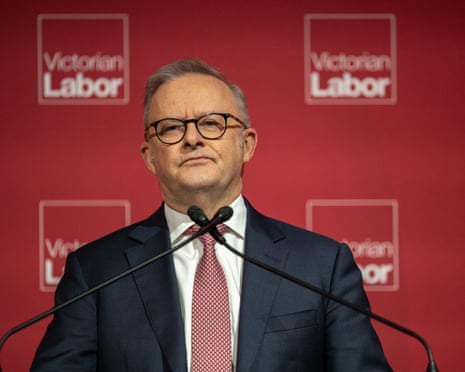
The Prime Minister's emotional defence of these measures underscores the political significance and personal conviction behind the government's approach to tax policy reform. Albanese's visible emotion during his parliamentary address signalled the depth of his commitment to what he characterizes as necessary structural reforms to Australia's tax system. His statement reflected not merely a policy position, but a philosophical stance about fairness, equity, and the distribution of economic opportunity across Australian society.
The sustained criticism facing these reforms has been substantial and multifaceted, coming from various quarters including property investors, financial institutions, and opposition politicians who argue the changes could discourage investment and negatively impact housing supply. Critics contend that limiting negative gearing may reduce investor participation in the rental property market, potentially exacerbating housing affordability challenges. These concerns have formed the backbone of opposition arguments against the government's tax proposals.
Despite the criticism, Albanese has positioned the reforms as essential corrective measures that address longstanding inequities within Australia's taxation framework. The Prime Minister's framing emphasizes that the changes are not punitive but rather represent a recalibration of tax policy to ensure that opportunity and economic advancement remain available to Australians from all socioeconomic backgrounds. His assertion that aspiration should not be confined to the wealthy reflects the government's broader equity-focused policy agenda.
The capital gains tax discount modifications specifically aim to recalibrate how gains on asset sales are taxed, a change that experts suggest could increase government revenue while affecting investment returns on long-held assets. The adjustments to CGT methodology represent a deliberate policy choice to shift the tax burden toward those with substantial capital gains, aligning with the government's stated commitment to progressive taxation principles.
Implementation of these reforms will require careful coordination across multiple government agencies and will likely necessitate significant legislative amendments to Australia's tax code. The Department of Treasury and other relevant agencies have been developing detailed implementation frameworks to ensure the changes can be effectively deployed while minimizing unintended economic consequences. The transitional arrangements, particularly the grandfathering of existing negative gearing properties, reflect attempts to balance reform objectives with practical implementation considerations.
Market analysts and economists have offered varied assessments of the potential economic impacts of these changes. Some experts argue that the reforms represent necessary adjustments that will enhance long-term economic efficiency and fairness, while others warn that the modifications could create market distortions or discourage productive investment in Australia's property and business sectors. These divergent viewpoints have contributed to the controversial nature of the proposals and the sustained public debate surrounding their merits.
The political context surrounding these tax proposals is significant, as they represent core commitments in Labor's policy platform and reflect the government's philosophical approach to economic management. For Albanese and his cabinet, the emotional defence of these measures suggests that the government views the reforms as fundamental to its legislative agenda and broader vision for Australian economic policy. The Prime Minister's visible passion during his parliamentary address indicates the personal and political stakes he perceives in the success or failure of these initiatives.
Opposition to the reforms has mobilized various stakeholder groups including property investment associations, accountancy firms, and financial advisors who argue that the changes will create unnecessary complexity and economic inefficiency. Concerns about investor confidence and potential impacts on housing market dynamics have featured prominently in critical assessments of the government's proposals, with some analysts suggesting that property investment may become less attractive under the new tax regime.
As the debate continues, the government faces the challenge of maintaining political support for these controversial reforms while managing concerns from affected stakeholders and the general public. The passage of legislation implementing these changes will require navigating both parliamentary procedures and the need to build broader community understanding of the rationale behind the proposals. Albanese's emotional defence suggests that the government believes the reforms are worth the political risk and potential economic disruption associated with their implementation.
The broader implications of these tax policy changes extend beyond immediate impacts on property investors and asset holders, potentially affecting Australia's overall approach to progressive taxation and economic redistribution. If successfully implemented, the reforms could establish precedents for future government interventions in tax policy and demonstrate a willingness to fundamentally restructure taxation of major asset categories. The outcomes of this reform effort will likely influence tax policy debates in Australia for years to come, regardless of whether future governments choose to maintain, modify, or reverse these changes.
Source: The Guardian


