
Albanese Denies Gen Z Vote Strategy in Tax Reform Plans

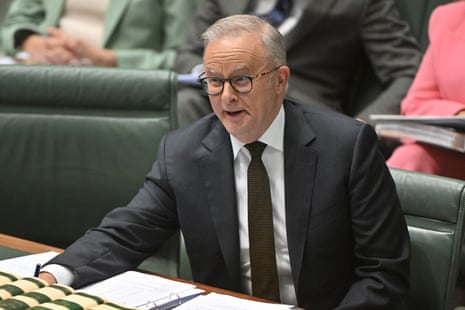
PM Albanese rejects claims that growing Gen Z electorate influenced budget tax changes. Live coverage of political developments and opposition budget reply.
Welcome to today's comprehensive coverage of Australian political developments as the nation grapples with significant budgetary decisions and electoral considerations. Prime Minister Anthony Albanese has made headlines by firmly denying that electoral calculations surrounding the expanding Generation Z voter population influenced the government's recent tax policy announcements. This statement comes amid broader scrutiny of the administration's tax reform agenda, which includes contentious changes to negative gearing and capital gains taxation frameworks.
The political landscape has become increasingly complex as Australia prepares for what promises to be a closely watched federal election cycle. With approximately 700,000 additional gen Z voters expected to join the electoral roll by the time of the next federal election, observers have questioned whether demographic shifts played a role in shaping the government's fiscal strategy. The Prime Minister's denial addresses these speculation head-on, suggesting that policy decisions were made on economic merit rather than electoral positioning.
Today's live political coverage will track multiple developing stories throughout the day, with significant focus on the Opposition's budget reply speech scheduled for this evening. Shadow Treasurer Angus Taylor is expected to deliver a comprehensive response to the government's budgetary measures, outlining the Coalition's alternative vision for Australia's economic future. The speech represents a crucial moment for opposition messaging as both major parties seek to position themselves ahead of the coming election campaign.
The newsroom team managing today's coverage includes seasoned political correspondent Martin Farrer, who opens our live blog with overnight developments and key talking points. Nick Visser will provide mid-day analysis and context, while Krishani Dhanji will take the helm during afternoon hours leading up to Taylor's budget reply presentation. This rotating team structure ensures comprehensive, continuous coverage of every significant political development throughout the day.

The negative gearing and capital gains tax changes announced in Tuesday's federal budget have become the focal point of intense political and public debate. These reforms represent a significant intervention in Australia's property investment landscape, potentially affecting hundreds of thousands of investors across the nation. The government contends that these measures are necessary to address housing affordability concerns while improving the tax system's overall fairness and efficiency.
Opposition voices have been quick to criticize the tax policy reforms, arguing they could have unintended consequences for investment markets and housing supply. Property investors, real estate associations, and financial sector representatives have raised concerns about the implementation timeline and potential economic impacts. The coming weeks will see these arguments play out in parliamentary debates, media commentary, and community forums as stakeholders adjust to the new regulatory environment.
The timing of these announcements coincides with broader demographic shifts in Australian society. The emergence of Gen Z voters as an increasingly significant electoral bloc reflects changing population dynamics and shifting political priorities among younger Australians. Issues such as housing affordability, climate change, and economic opportunity loom large for this cohort, potentially reshaping traditional voting patterns and party allegiances across the country.
Albanese's explicit denial that electoral considerations drove the tax reform decisions reflects the delicate political balance governments must maintain between policy substance and political perception. Whether voters accept this explanation may significantly influence how the government's credibility is evaluated in coming months. The Prime Minister's willingness to address these questions directly suggests awareness of their importance to public discourse and electoral support.
Today's live blog will provide real-time updates on parliamentary proceedings, ministerial statements, and opposition responses throughout business hours. Readers can stay informed through multiple platforms, including the breaking news email service that delivers urgent political developments directly to subscribers' inboxes. For those preferring alternative formats, a dedicated mobile application offers convenient access to continuous coverage, while a daily news podcast provides in-depth analysis and commentary on the day's most significant political stories.
The budget reply speech represents a crucial opportunity for the opposition to articulate its economic vision and critique government proposals comprehensively. Angus Taylor's presentation will likely address not only the controversial tax changes but also government spending priorities, infrastructure investments, and broader economic management philosophy. The quality and effectiveness of this response could influence media narratives and public perception of opposition readiness for potential government.
Property investment markets are watching these developments with considerable interest, as the potential implementation of negative gearing restrictions could reshape investment patterns across residential and commercial real estate sectors. Industry groups have been mobilizing to ensure their perspectives are heard in parliamentary debate and media discussion. The financial sector more broadly faces questions about how these changes might affect lending practices, investment products, and overall market confidence.
Throughout today's coverage, our team will track reaction from government backbenchers, opposition members, crossbench parliamentarians, and key stakeholder groups affected by recent announcements. The diversity of responses will illuminate how different constituencies view the government's fiscal direction and the opposition's proposed alternatives. This multifaceted perspective provides essential context for understanding Australia's contemporary political dynamics.
The broader question of how demographic changes influence political strategy remains central to understanding modern Australian electoral politics. While the Prime Minister denies that Gen Z voter growth motivated specific policy choices, the coincidence of their increasing numbers with significant policy announcements naturally raises questions about timing and intent. Political analysts will continue examining these connections as campaigns develop and positions crystallize.
For those seeking comprehensive understanding of Australia's political landscape, today's live coverage offers an invaluable resource. The combination of breaking news alerts, continuous online updates, detailed analysis through the news podcast, and evening coverage of the budget reply speech ensures that interested citizens can maintain informed awareness of developments. This multi-platform approach democratizes access to political information and analysis across diverse audience preferences and technological capabilities.
As the day unfolds, expect additional statements from government ministers defending the budget's provisions and from opposition figures articulating alternative approaches. Backbench members from both sides may also contribute perspectives reflecting their constituency concerns and personal political convictions. Media analysis will attempt to discern winners and losers from the budget announcements and assess how political narratives are evolving in response to initial reactions and developing commentary.
Source: The Guardian


