
Alex Zanardi, F1 Legend and Paralympic Hero, Dies at 59

Former Formula 1 driver and four-time Paralympic gold medalist Alex Zanardi has passed away at age 59. Learn about his remarkable career and legacy.
Alex Zanardi, the legendary former Formula 1 driver and accomplished Paralympic champion, has died at the age of 59, according to reports confirmed by his family and representatives. The Italian racing icon, known for his extraordinary resilience and determination both on the track and in his personal life, passed away after a prolonged illness. His death marks the end of an era for one of motorsport's most inspiring and celebrated figures.
Zanardi's passing represents a profound loss not only to the world of professional racing but to the global community that admired his unwavering spirit. Throughout his life, the Paralympic athlete demonstrated remarkable courage in overcoming seemingly insurmountable challenges, earning him the respect and admiration of millions worldwide. His journey from elite motorsport competitor to adaptive sports champion exemplified human resilience and the power of the human spirit to transcend physical limitations.
Born on October 9, 1966, in Bologna, Italy, Zanardi initially made his mark in the competitive world of Formula 1 racing during the 1990s. He competed for several prominent teams throughout his Formula 1 career, showcasing his technical skill and competitive drive on some of the world's most challenging circuits. Though his time in F1 was relatively brief compared to some of his contemporaries, Zanardi's impact on the sport and his colleagues was undeniable and long-lasting.
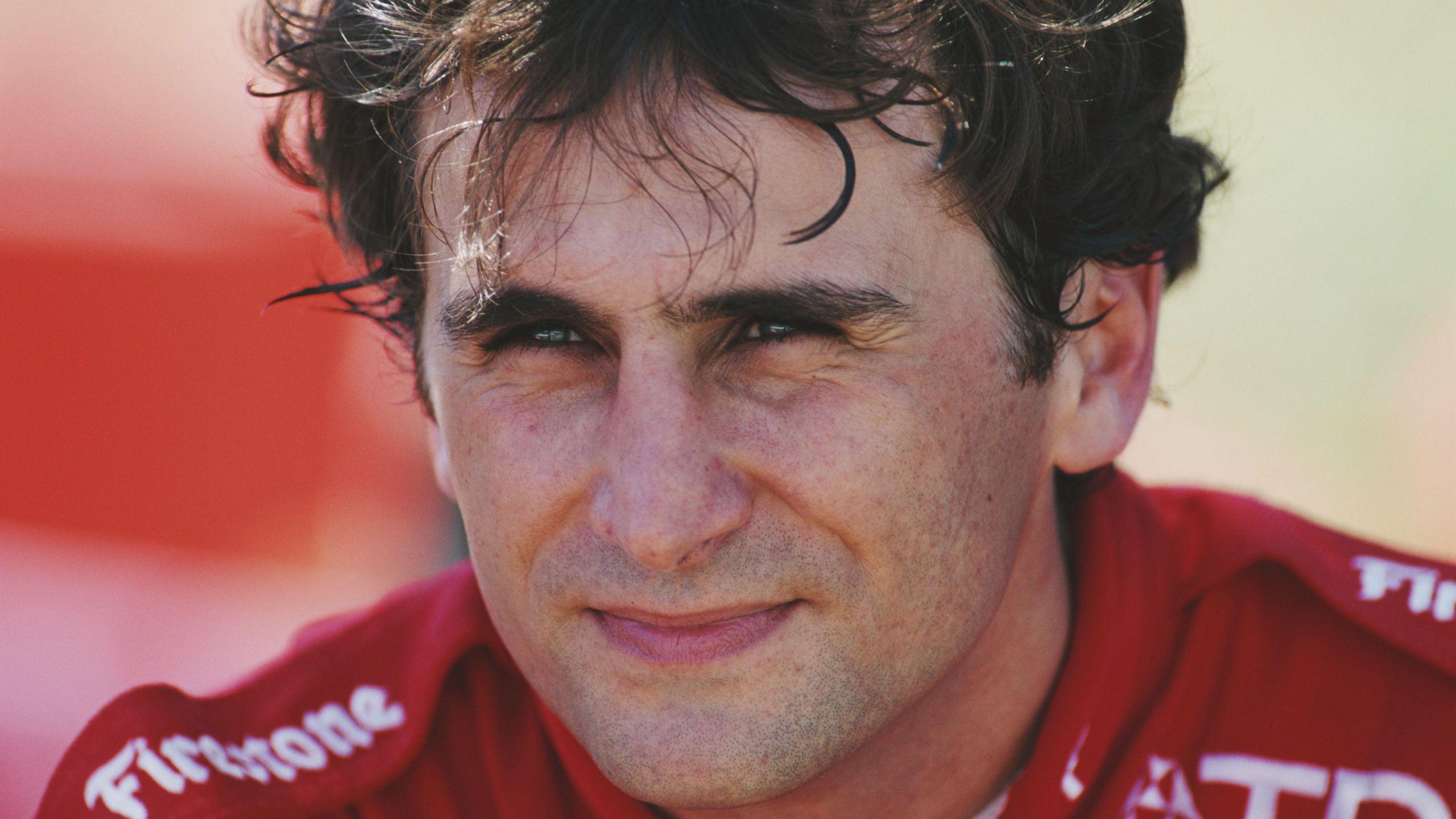
A life-altering accident in 1993 during a Championship Auto Racing Teams (CART) race at the Lausitzring in Germany resulted in the loss of both of Zanardi's legs below the knee. Rather than allowing this devastating injury to define the end of his story, Zanardi embarked on an extraordinary journey of rehabilitation and reinvention. His determination to return to competitive racing captured the imagination of fans around the world and established him as a symbol of human perseverance and adaptability.
Following his accident, Zanardi transitioned into the world of adaptive sports, where he would achieve some of his greatest triumphs. He became an accomplished Paralympic competitor, excelling in wheelchair basketball and hand cycling events. His success in these disciplines demonstrated that his competitive spirit and athletic prowess remained entirely intact, proving that physical limitations could never diminish his ability to perform at the highest levels of sport.
As a Paralympic gold medalist, Zanardi claimed multiple gold medals across several Paralympic Games, becoming one of Italy's most decorated adaptive athletes. His performances in wheelchair basketball and hand cycling showcased not only his individual talent but also his ability to master entirely new sporting disciplines. The dedication he brought to his training and competition was the same unwavering commitment he had displayed during his Formula 1 years.
In 2012, Zanardi faced another life-threatening accident when he was struck by a truck while competing in a handbike race near Pisa, Italy. The collision left him in critical condition, and his recovery once again captivated the world. Despite the severity of his injuries, Zanardi survived and continued his remarkable journey of rehabilitation, further cementing his legacy as an extraordinary example of determination and resilience.
Beyond his athletic achievements, Zanardi became an influential public figure and motivational speaker. He traveled the world sharing his story of overcoming adversity, inspiring countless individuals facing their own personal challenges. His message of hope and perseverance resonated across age groups, cultures, and backgrounds, making him one of sport's most beloved ambassadors for the human capacity to triumph over tragedy.
Zanardi's contribution to disability sports and accessibility in motorsport cannot be overstated. His achievements opened doors and raised awareness about the capabilities of athletes with disabilities, challenging societal preconceptions and expanding opportunities in competitive sports. He served as a powerful advocate for inclusion and representation, using his platform to promote greater understanding and acceptance of adaptive athletes worldwide.
Throughout his life, Zanardi received numerous awards and accolades recognizing his contributions to sport and society. He was celebrated not merely as an athlete but as a humanitarian and inspiration to millions. His name became synonymous with overcoming impossible odds, and his story has been featured in documentaries, books, and countless media outlets dedicated to celebrating human achievement.
The racing community, Paralympic movement, and sports world at large have expressed profound grief at Zanardi's passing. Tributes have poured in from fellow athletes, team members, sponsors, and fans who recognized his unique place in sporting history. Many have recalled not only his athletic prowess but also his warmth, humor, and generous spirit, describing him as someone who never lost his passion for life despite the physical challenges he faced.
Zanardi's legacy will endure through the lives he touched and the barriers he broke down. His influence extended beyond the realm of athletics into the broader cultural conversation about disability, ability, and human potential. For future generations of adaptive athletes and individuals facing challenges, Zanardi's life and accomplishments will continue to serve as a testament to what is possible when determination meets opportunity.
As the world mourns the loss of this remarkable individual, his contributions to motorsport, Paralympic competition, and the broader human experience remain indelible. Alex Zanardi's name will forever be remembered alongside the greatest athletes and most inspiring figures in sports history. His passing marks a significant moment in sporting history, yet his spirit and the lessons of his extraordinary life will continue to inspire and motivate for generations to come.
Source: BBC News


