
Alienware's Budget Gaming Laptop Launch

Alienware unveils its first affordable gaming laptop starting at $1,299, combining performance with accessibility for budget-conscious gamers.
Alienware, Dell's premium gaming division, is making a significant move into the budget gaming market with the introduction of its most affordable gaming laptop to date. The entry-level Alienware 15 represents a strategic expansion of the brand's product lineup, arriving at a time when consumers are increasingly seeking high-performance computing solutions without breaking the bank. Starting at just $1,299 for configurations equipped with AMD processors or $1,349 for Intel-based variants, this new machine challenges the notion that quality gaming laptops must come with premium pricing.
The timing of this launch couldn't be more opportune for the gaming community. As the gaming laptop market continues to mature and competition intensifies among manufacturers, consumers have grown more discerning about value propositions. The introduction of an affordable gaming laptop from a brand synonymous with high-end performance gaming rigs signals a shift in market dynamics. Alienware's decision to target the budget segment demonstrates confidence in their ability to deliver gaming-grade specifications at accessible price points, potentially disrupting the entry-level gaming laptop landscape.
The Alienware 15 configuration options showcase flexibility for different user preferences and budget considerations. AMD-powered models start at $1,299, while those preferring Intel processors begin at $1,349—a modest $50 premium that reflects the current pricing dynamics between these two processor manufacturers. This dual-option approach allows potential buyers to choose based on personal preference, availability, and specific performance needs, rather than being locked into a single processor ecosystem. Such flexibility has become increasingly important as both AMD and Intel continue to offer compelling performance characteristics in the gaming segment.
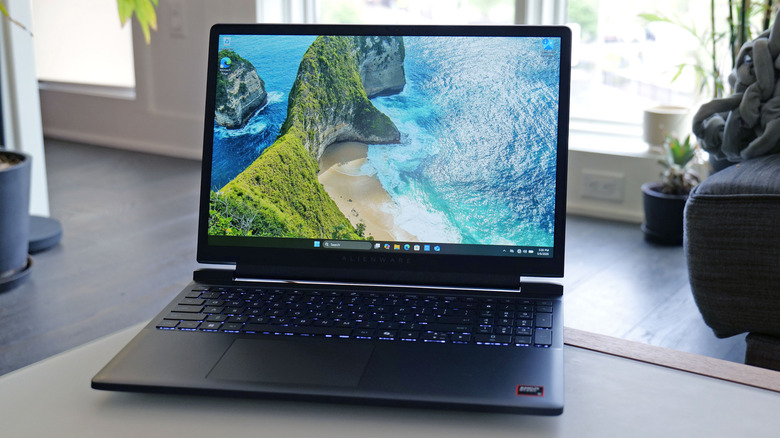
For context, the gaming laptop market has undergone substantial transformation over the past several years. Previously, entry-level gaming machines often meant compromising significantly on performance, thermal management, or build quality. Brands like ASUS, MSI, and Razer have occupied this space with varying degrees of success, but Alienware's brand recognition and reputation for engineering excellence bring a new competitive element. The company's extensive experience developing high-end gaming systems, including the iconic Aurora desktop line and premium laptop offerings, positions them well to deliver legitimate gaming performance at budget-friendly prices.
The market context for this launch involves several converging factors that make it particularly well-timed. Post-pandemic supply chain stabilization has allowed manufacturers to optimize production costs and pass savings to consumers. Additionally, the competitive pressure from emerging gaming brands and the saturation of the premium segment have created incentives for established players to explore untapped market segments. Alienware's entry into the budget category with a product bearing the brand's trusted name could potentially capture price-sensitive consumers who might otherwise opt for less-known manufacturers or previous-generation models.
Gaming hardware enthusiasts have long awaited more options in the under-$1,500 price range that don't sacrifice essential features. The gaming laptop specifications typically expected at this price point include dedicated graphics cards from NVIDIA's GTX or RTX series, adequate RAM for multitasking, and sufficient storage for modern game libraries. Buyers in this segment are often students, casual gamers transitioning from console gaming, or individuals seeking portable computing that can handle both productivity and entertainment tasks. Alienware's understanding of this demographic, developed through years of engaging hardcore gamers, could inform intelligent compromises that maintain gaming credibility while hitting aggressive price targets.
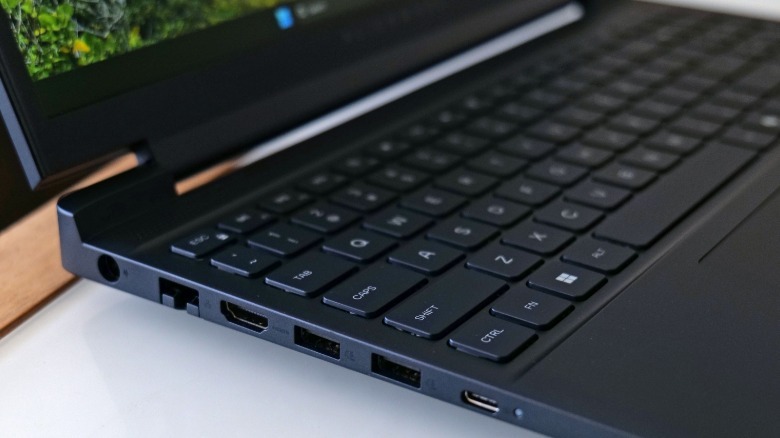
The naming strategy of using the "15" designation aligns with Alienware's established product nomenclature, where the number typically denotes screen size in inches. This consistency helps consumers immediately understand the product's positioning within the broader Alienware ecosystem. A 15-inch display represents a sweet spot for gaming laptops—large enough to provide immersive gaming experiences and comfortable productivity work, yet portable enough for users who need mobility. The screen size, combined with the aggressive pricing, suggests Alienware is deliberately targeting users who value practical balance between performance, portability, and cost.
Industry observers have noted that gaming laptop affordability has become increasingly important as remote work arrangements have persisted beyond the pandemic. Many professionals now require systems capable of handling both corporate applications and personal gaming, creating demand for versatile machines. Students pursuing computer science, game development, and related fields also represent a crucial market segment that needs capable gaming hardware within budget constraints. Alienware's entry-level offering addresses these overlapping consumer needs through a product designed for genuine performance rather than merely aesthetic gaming styling without substance.
The competitive landscape for entry-level gaming laptops includes established players and newer brands vying for market share. Previous options often forced buyers to choose between brand recognition and price competitiveness. Alienware's positioning disrupts this dynamic by leveraging brand equity—built through decades of gaming innovation—to compete directly on price while maintaining quality standards. This strategy could prove particularly effective for converting brand-conscious buyers who previously couldn't justify premium pricing but remained skeptical of lesser-known manufacturers attempting to enter the gaming segment.
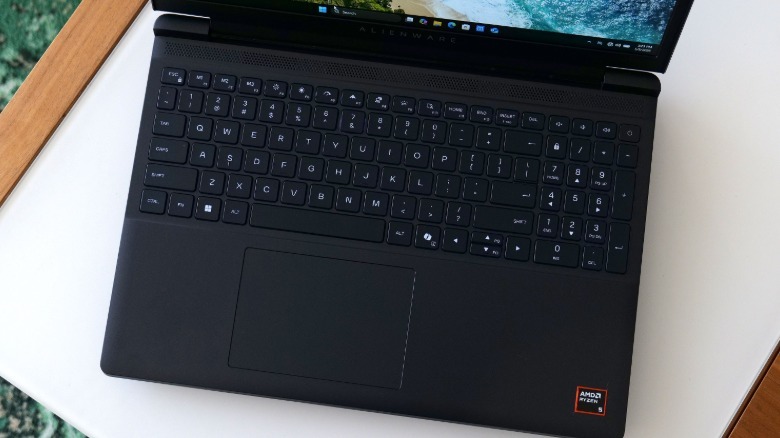
Specifications and feature sets will ultimately determine whether the Alienware 15 succeeds in its market positioning. Consumers at this price point scrutinize processor performance, graphics capabilities, cooling efficiency, keyboard quality, and battery life. Alienware's reputation means they understand gaming-specific requirements—such as responsive keyboards for competitive play, effective thermal solutions that maintain performance during extended sessions, and aesthetics that appeal to gaming sensibilities without appearing unprofessional. These details matter significantly to buyers in this segment who are making meaningful financial commitments to their computing devices.
The laptop launch timing also aligns with seasonal shopping patterns, particularly back-to-school and holiday purchasing periods when consumers actively seek major electronics. Positioned strategically during these peaks, Alienware can capture waves of buyers planning technology purchases. Educational institutions increasingly support bring-your-own-device policies, further expanding the addressable market for gaming laptops with legitimate credentials and reasonable pricing. Parents seeking machines for student children and professionals upgrading personal computing equipment both represent significant audience segments for this introduction.
Looking forward, the success of this entry-level Alienware 15 could signal broader strategic shifts across the gaming laptop market. If Alienware succeeds in delivering genuine gaming performance at $1,299-$1,349, it establishes new baseline expectations for affordability in the segment. Competitors would face pressure to either match pricing, improve feature sets at existing price points, or accept reduced market share. Such competitive dynamics typically benefit consumers through accelerated innovation and better value propositions. The gaming community watches closely as established premium brands test the viability of budget-friendly offerings without diluting their core brand identities.
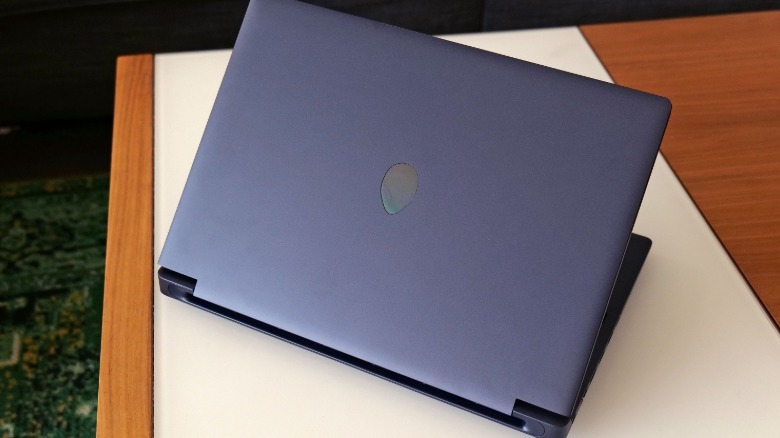
Ultimately, Alienware's first affordable gaming laptop represents more than just a new product—it signals strategic confidence in serving broader consumer segments. The brand's willingness to compete aggressively on price while maintaining engineering standards suggests they believe gaming laptop technology has matured sufficiently to deliver compelling experiences at accessible price points. For consumers who have anticipated Alienware's entry into the budget segment, this launch delivers on long-standing desires for accessible quality. Whether it becomes a market success depends on delivering the performance and reliability consumers expect from the Alienware name at price points that make gaming laptop computing genuinely attainable for larger audiences.
Source: Engadget


