
Amazon Cancels Lord of the Rings MMO Game

Amazon Games cancels its ambitious Lord of the Rings MMO project after years of development. Learn what happened and what's next for Middle-earth games.
Amazon Games has officially cancelled its ambitious Lord of the Rings MMO project that had been in development for several years. The decision to shut down the multiplayer online role-playing game marks a significant setback for the gaming giant's efforts to establish itself in the competitive MMO market. This move comes after substantial investment and years of work from the development team, leaving many fans of J.R.R. Tolkien's legendary universe disappointed by the news.
The Lord of the Rings MMO cancellation represents one of the most notable gaming failures in recent memory, particularly given Amazon's deep pockets and established gaming division. The company had acquired the rights to develop games based on the beloved fantasy franchise, which includes one of the most successful fantasy film trilogies of all time. The MMO was being positioned as a major flagship title that would have drawn millions of players into the digital world of Middle-earth, competing directly with other major online gaming franchises.
Despite the shutdown of the MMO project, Amazon Games continues development on other Middle-earth titles. The company remains committed to bringing Lord of the Rings experiences to players through alternative gaming formats and approaches. This pivot suggests that Amazon is refocusing its efforts on projects that may have higher chances of commercial success and player engagement within the competitive gaming landscape.
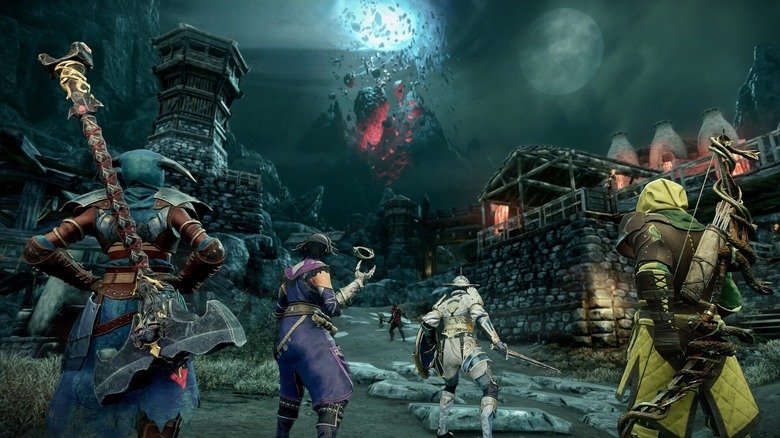
The reasons behind the Lord of the Rings game cancellation involve multiple factors including development challenges, changing market conditions, and strategic reassessment by Amazon's leadership. MMO development requires enormous resources, ongoing maintenance costs, and sustained player populations to remain profitable. The gaming industry has witnessed numerous MMO failures over the past decade, even from well-funded studios, suggesting that the genre faces inherent challenges that extend beyond any single company's capabilities.
Industry analysts have noted that the cancellation of Amazon's MMO project reflects broader trends in the gaming sector where traditional subscription-based MMOs struggle to maintain relevance against free-to-play competitors and other gaming trends. Player preferences have shifted considerably since the heyday of massive multiplayer online games in the 2000s. The market has become increasingly fragmented, with players spreading across numerous gaming platforms, genres, and experiences rather than concentrating in a single large MMO community.
The development team working on the Middle-earth MMO invested considerable time and resources into creating immersive environments, compelling gameplay mechanics, and rich storytelling that would have honored Tolkien's legacy. However, the lengthy development cycle, coupled with the unprecedented success of competitor titles in other genres, apparently led leadership to reconsider the project's viability. Such cancellations, while disappointing to fans, allow companies to redirect resources toward more promising ventures and innovative gaming experiences.
Amazon's alternative Lord of the Rings gaming projects may focus on different genres and formats that better suit current market demands and consumer preferences. The company might pursue single-player adventures, action games, cooperative experiences, or mobile titles based on the beloved franchise. These alternative approaches could potentially reach wider audiences and generate stronger financial returns compared to the traditional MMO model that requires persistent online infrastructure and community management.
The gaming industry has seen numerous examples of cancelled projects, particularly within the MMO space where Wildstar, The Elder Scrolls Online spin-offs, and countless other titles have shut down operations despite initial investment and development efforts. Amazon's decision represents a recognition that even with substantial resources, market conditions, player preferences, and development complexities can make certain projects untenable. This demonstrates that even major corporations must make difficult strategic decisions based on market realities rather than hope and initial vision.
Fans of the Lord of the Rings franchise expressed mixed reactions to the news, with some disappointed by the loss of potential gameplay experiences and others hopeful that Amazon might create more focused and successful games based on the intellectual property. The franchise has proven incredibly successful in film and television, generating billions in revenue and maintaining passionate fan communities worldwide. Translating this success into gaming has proven more challenging, however, as different media require distinct approaches to storytelling and engagement.
The cancellation also raises questions about gaming industry investment strategies and the viability of extremely long development cycles for online games. Technology evolves rapidly, player expectations shift constantly, and market conditions change unpredictably during extended development periods. Amazon's experience with the Lord of the Rings MMO serves as a cautionary tale about the importance of agility, market responsiveness, and realistic project scoping in contemporary game development.
Looking forward, Amazon Games remains active in multiple gaming ventures and continues to publish titles across various genres and platforms. The company has learned valuable lessons from this experience that will likely inform future decision-making processes regarding long-term game development projects. While the Lord of the Rings MMO cancellation represents a significant setback, it also provides opportunities for Amazon to explore more innovative and potentially more successful approaches to engaging players with Tolkien's legendary universe.
The future of Lord of the Rings gaming remains bright despite the MMO cancellation, given the franchise's enduring popularity and cultural significance. Other developers and companies will likely continue exploring different ways to bring Middle-earth to interactive life. Amazon's pivot away from the MMO model may ultimately prove beneficial to the franchise, potentially resulting in games that better capture the magic of Tolkien's work while achieving greater commercial success in today's diverse and competitive gaming landscape.
Source: Engadget


