
Amazon Now: 30-Minute Delivery Expanding to Dozens of US Cities in 2026

Amazon launches its ultra-fast Amazon Now delivery service to dozens of US cities throughout 2026. Discover how this new 30-minute delivery option will transform your shopping experience.
Amazon Now, the retail giant's latest innovation in accelerated delivery services, is set to revolutionize how American consumers receive their purchases. The company has announced an ambitious expansion plan that will bring this 30-minute delivery option to dozens of locations across the United States throughout 2026. This strategic rollout represents a significant escalation in same-day delivery competition and reflects Amazon's continued commitment to reducing delivery times to unprecedented levels.
The expansion of Amazon Now marks another milestone in the company's ongoing efforts to dominate the ultra-fast delivery market. While Amazon has already established rapid delivery services in select metropolitan areas, this new initiative aims to dramatically broaden accessibility for millions of American shoppers. The company's decision to roll out this service across numerous cities demonstrates its confidence in the operational capabilities and consumer demand for same-day logistics solutions.
Industry analysts suggest that this move positions Amazon ahead of competitors who are also racing to capture the growing demand for expedited delivery services. The 30-minute delivery window represents a significant competitive advantage, particularly for time-sensitive purchases and urgent consumer needs. By expanding to dozens of new locations, Amazon is essentially redefining customer expectations around how quickly goods can be delivered to their doorsteps.
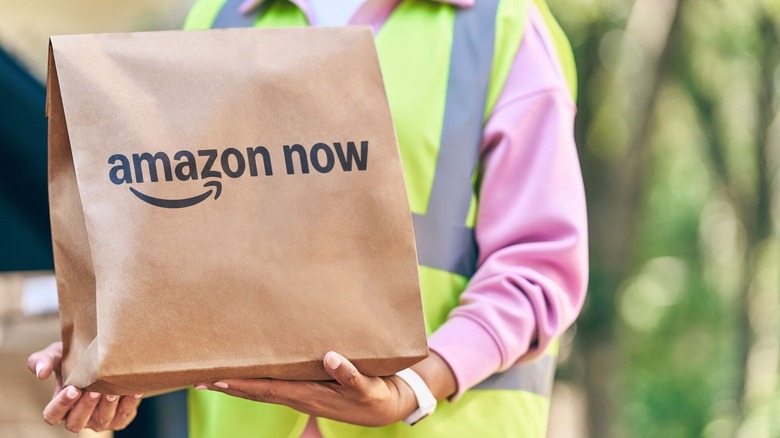
The logistics infrastructure required to support such rapid delivery times is substantial and complex. Amazon has invested billions in warehouse automation, drone technology, and micro-fulfillment centers to make these aggressive delivery timelines possible. The company's extensive network of distribution centers, combined with sophisticated route optimization software, enables the company to identify products in nearby locations and dispatch them to customers with remarkable speed.
The rollout strategy for 2026 will likely focus on densely populated urban areas where customer concentration justifies the infrastructure investments required to maintain 30-minute delivery performance standards. Metropolitan regions with high population density offer the best economics for this service model, as they allow Amazon to position inventory closer to end consumers. This geographic targeting ensures that the company can maintain profitability while delivering on its speed promises.
Consumer behavior data suggests that same-day delivery options have become increasingly important in purchase decision-making, particularly among younger demographics and urban professionals. The ability to receive items within 30 minutes creates unprecedented convenience that fundamentally changes how people shop. This capability has proven especially valuable for household essentials, groceries, and other time-sensitive purchases where traditional shipping simply doesn't meet customer expectations.
The expansion also reflects broader shifts in e-commerce dynamics and the rising costs of customer acquisition and retention. By offering premium delivery services like Amazon Now, the company can justify higher price points and foster deeper customer loyalty. Customers who experience the convenience of 30-minute delivery are more likely to increase their overall purchasing frequency and spending on the platform, creating a virtuous cycle of engagement and revenue growth.
Third-party logistics providers and traditional retailers are watching Amazon's expansion carefully, as it may force industry-wide changes in delivery service standards. Competitors may feel pressure to accelerate their own delivery capabilities or face customer defection to Amazon. This competitive dynamic could drive significant investment across the entire logistics and retail sectors, potentially benefiting consumers through improved service options across multiple platforms.
From an operational standpoint, maintaining consistent 30-minute delivery performance at scale presents enormous challenges related to inventory management, staffing, and quality control. Amazon will need to carefully balance the desire for speed with maintaining accurate order fulfillment and product quality. The company's extensive experience with rapid delivery services provides valuable institutional knowledge that gives it advantages in executing this ambitious expansion plan.
The environmental impact of ultra-fast delivery services remains a subject of ongoing discussion and analysis. More frequent deliveries and smaller shipment sizes can increase carbon emissions compared to consolidated delivery models. However, Amazon has committed to achieving net-zero carbon emissions by 2040, and the company is investing in electric vehicle fleets and renewable energy to offset the environmental costs of rapid delivery services.
Looking ahead, the Amazon Now expansion to dozens of cities represents a critical inflection point in the evolution of retail logistics and consumer expectations. The company's ability to successfully execute this rollout will likely determine whether ultra-fast delivery becomes standard across the industry or remains a premium service available only in select markets. As 2026 unfolds, consumers in expanded service areas will gain access to a shopping experience that was previously available only to residents of a handful of major metropolitan areas.
The competitive landscape for rapid delivery will intensify as Amazon scales this service nationally. Other retailers and logistics companies will face critical decisions about whether to invest heavily in competing delivery capabilities or find alternative ways to differentiate their services. This competitive pressure may accelerate innovation across the entire sector, ultimately benefiting consumers through improved options and potentially lower prices as companies compete for market share.
As Amazon prepares for this major expansion, the company must also navigate various regulatory and labor considerations related to rapid delivery operations. Local regulations regarding commercial vehicle operations, parking, and worker classification may impact how quickly Amazon can implement its service in different jurisdictions. These operational considerations will influence the timeline and scope of the nationwide rollout throughout 2026 and beyond.
Source: Engadget


