
Amazon's Data Centers Face Months of Repairs After Drone Strikes

AWS customers in the Middle East face extended downtime as Amazon repairs drone-damaged data centers in UAE and Bahrain following Iranian attacks.
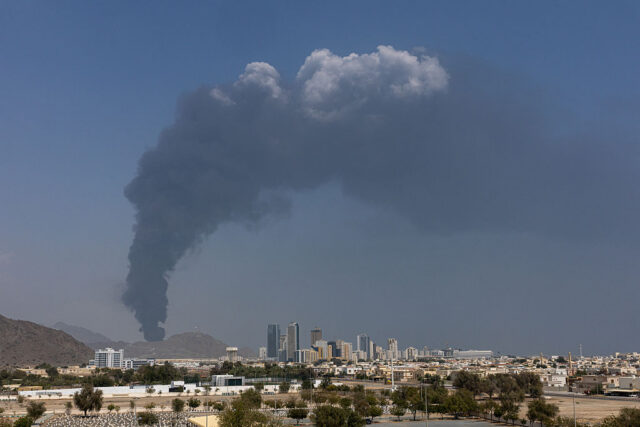
Amazon Web Services disclosed significant operational challenges following recent military strikes on its critical infrastructure in the Middle East. The company's cloud computing operations in the United Arab Emirates and Bahrain have sustained substantial damage that will require an extended recovery period, with AWS estimating that full restoration could take several months. This extended timeline represents a major disruption to businesses relying on AWS infrastructure in the region, affecting both operational continuity and financial planning for cloud-dependent enterprises.
The severity of the situation became clear when AWS published an official update on April 30, detailing the extent of damage to its Middle East data center operations. According to the statement, the affected cloud regions designated as ME-CENTRAL-1 and ME-SOUTH-1 "suffered damage as a result of the conflict in the Middle East" and are currently unable to support customer applications at normal capacity. The company emphasized that this is not a temporary outage but rather a complex reconstruction effort requiring substantial time, resources, and technical expertise to restore full functionality.
What makes this situation particularly noteworthy is Amazon's financial response to the crisis. The tech giant has committed to suspending all billing operations in the affected regions during the recovery phase, a decision that carries substantial financial implications. Initially, AWS waived all usage-related charges for March 2026, which industry analysts estimated cost the company approximately $150 million in foregone revenue—a significant write-off that underscores both the severity of the damage and Amazon's commitment to maintaining customer relationships during this unprecedented infrastructure crisis.
The extended recovery timeline raises critical questions about the vulnerability of cloud infrastructure to geopolitical conflicts and military operations. Data center security has become an increasingly important concern for technology companies operating in geopolitically sensitive regions, as the incident demonstrates the real-world risks of maintaining critical computational facilities in areas experiencing regional instability. Amazon's situation serves as a cautionary tale for the broader cloud computing industry about the need for enhanced physical security measures and contingency planning.
The impact on AWS customers in the Middle East cannot be overstated, as many businesses depend entirely on these cloud services for their day-to-day operations. Companies storing data, running applications, or utilizing AWS's machine learning and analytics services have been forced to seek alternative solutions or redirect their workloads to other regions. This disruption comes at a particularly inopportune time for businesses in the Middle East, as the region has been increasingly attracting technology investment and digital transformation initiatives that now face unexpected obstacles.
Amazon's response demonstrates the company's recognition of its responsibility to affected customers, even at considerable financial cost. By continuing to waive usage-related charges and billing operations throughout the recovery period, AWS is essentially absorbing the costs of both the infrastructure damage and the customer compensation. While this approach may strain short-term profitability, it represents a strategic investment in maintaining customer confidence and preventing wholesale migration of workloads to competitor platforms during the recovery period.
The incident also highlights broader geopolitical considerations affecting the technology sector. As cloud infrastructure becomes increasingly critical to global business operations, the concentration of data centers in politically volatile regions presents significant strategic risks. The Middle East, despite its growing importance as a technology hub, faces unique challenges related to regional conflicts that can directly impact critical infrastructure. This reality may prompt other technology companies to reconsider their geographic distribution strategies and investment priorities in the region.
Industry experts are closely monitoring how this situation evolves and what implications it might have for future data center placement decisions. The incident could prompt technology companies to either increase redundancy in their Middle East operations or diversify their infrastructure investments across multiple regions to minimize the impact of localized disruptions. Additionally, there may be increased demand for insurance products and security services specifically designed to protect critical computing infrastructure from military or conflict-related threats.
The recovery process itself will likely involve multiple phases, starting with damage assessment and structural repairs, followed by equipment replacement and software configuration. Given the specialized nature of modern data center operations, Amazon will need to carefully coordinate the restoration work to ensure that systems are brought back online in the correct sequence and properly integrated with the broader AWS network. Any missteps during this process could extend the timeline further or create cascading issues affecting operations in other regions.
Customer communication has been another critical aspect of Amazon's response to this crisis. AWS has maintained regular updates through its health dashboard, providing affected customers with transparency about the status of recovery efforts and expected timelines. This approach helps businesses make informed decisions about their cloud strategies and plan for contingencies while the primary infrastructure remains offline. Clear communication is essential for maintaining trust during extended service disruptions.
Looking forward, this incident may accelerate discussions about infrastructure resilience and disaster recovery planning across the technology industry. Companies will likely invest more heavily in multi-region deployment strategies, advanced backup systems, and redundant infrastructure to protect against similar disruptions. The incident serves as a stark reminder that even the largest and most sophisticated technology companies remain vulnerable to externalities beyond their direct control, particularly when those externalities involve military or geopolitical factors.
The financial impact of this incident extends beyond the $150 million in waived charges from March 2026. The ongoing suspension of billing during the recovery period means continued revenue losses for Amazon, while customers face productivity losses and potential business disruption. Additionally, there may be long-term effects on customer perception and market share, as some organizations might accelerate plans to distribute their cloud infrastructure across multiple providers to reduce dependency on any single company's infrastructure in potentially vulnerable regions.
This situation underscores the complex relationship between technology infrastructure and geopolitical stability in an increasingly interconnected world. As businesses continue to migrate critical operations to cloud platforms, the physical locations of data centers take on heightened strategic importance. The damage to Amazon's facilities in the UAE and Bahrain represents not just an operational challenge for AWS, but a broader illustration of how regional conflicts can have far-reaching impacts on global technology infrastructure and business continuity.
Source: Ars Technica


