
AMD Ryzen 5800X3D Anniversary Edition: Budget PC Upgrade

AMD's upcoming Ryzen 7 5800X3D 10th Anniversary Edition offers affordable CPU upgrade for DDR4 systems without full PC replacement costs.
The current market landscape presents significant challenges for PC enthusiasts and upgrades. Rising expenses for RAM and storage components have inflated prices across the entire hardware ecosystem, creating a barrier for consumers seeking meaningful performance improvements. More critically, the industry-wide transition toward DDR5 memory standards in contemporary Intel and AMD processors has created an unexpected financial burden—many users with existing DDR4 systems would need to invest substantially in new memory modules simply to adopt a faster CPU and compatible motherboard.
AMD appears to be preparing a strategic solution for budget-conscious builders and gamers who wish to maximize their current system investments. Recent industry leaks, as documented by Tom's Hardware, reveal evidence of an upcoming "AMD Ryzen 7 5800X3D 10th Anniversary Edition," marking the return of a previously discontinued gaming CPU that could represent a practical upgrade path for users still operating Ryzen processors on Socket AM4 motherboards. This re-release suggests AMD recognizes the value proposition for consumers seeking performance gains without undergoing expensive platform migrations.
The distinctive "X3D" designation carries significant technical importance, denoting the processor's inclusion of 64MB of additional L3 cache layered atop the primary CPU die. This architectural enhancement expands total L3 cache capacity to 96MB, a substantial increase over conventional designs. Numerous workload categories—particularly modern gaming scenarios—demonstrate pronounced performance improvements when running on systems with expanded cache availability, making the 5800X3D fundamentally different from its non-X3D counterpart.
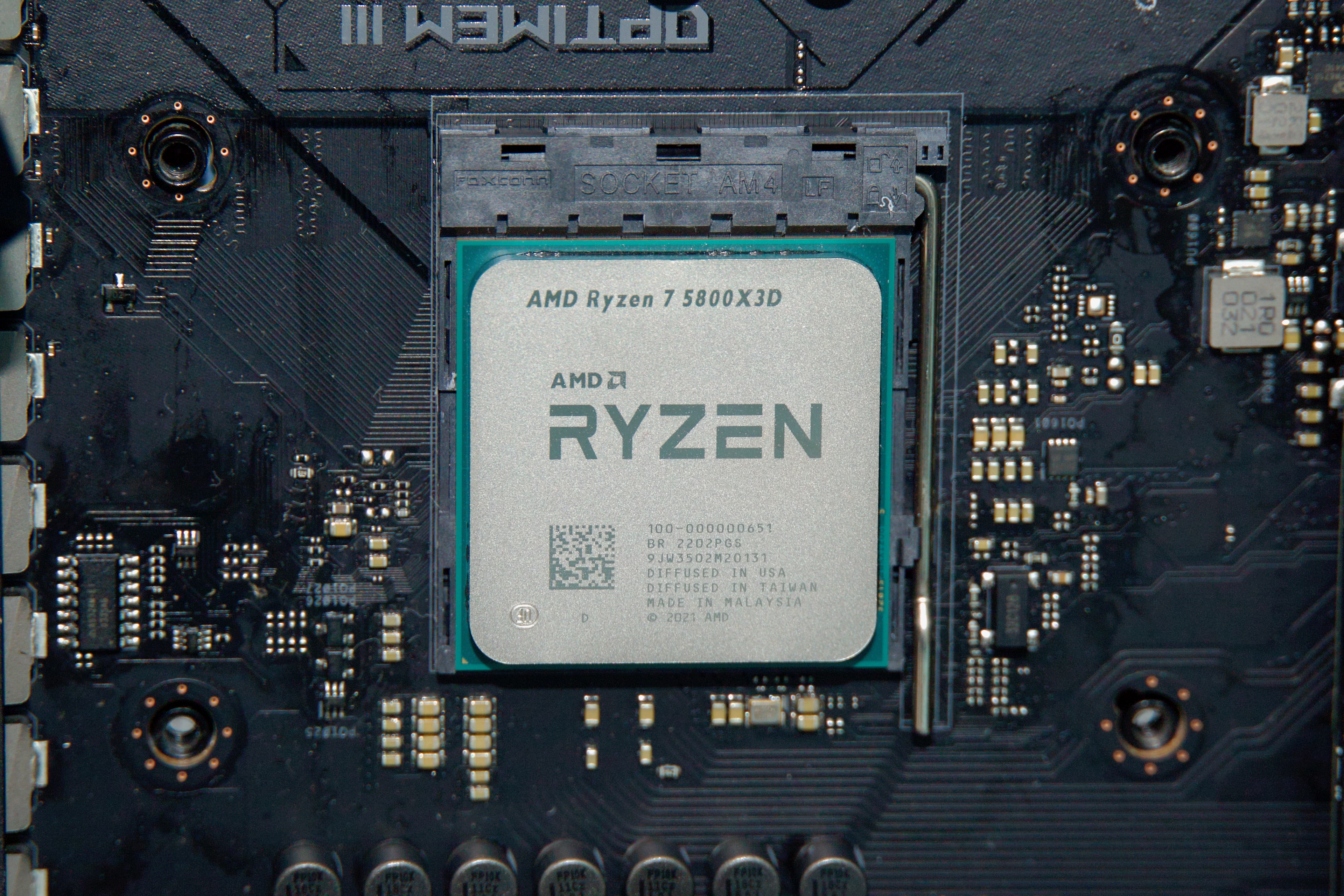
The original 5800X3D, launched approximately four years ago, established itself as a specialized performer within AMD's product lineup despite facing criticism regarding its premium positioning. Ars Technica's comprehensive review characterized it as "an interesting tech demo that's hard to recommend," highlighting the disconnect between theoretical capabilities and practical value. However, circumstances have changed considerably since that assessment, with DDR4 systems becoming increasingly common among the general user population, and CPU pricing dynamics shifting substantially.
For users maintaining older-generation Ryzen processors—whether first, second, or third-generation models—the performance delta represented by a 5800X3D would prove genuinely transformative. These users would retain full compatibility with their existing motherboards through the AM4 socket standard, eliminating forced platform upgrades. Additionally, their current DDR4 memory modules would remain fully functional, avoiding the significant expense associated with transitioning to DDR5 ecosystem. This compatibility-first approach addresses the primary frustration many users express regarding modern upgrade cycles.
The leaked pricing information, suggesting a USD $310 retail point, positions this component as an exceptionally accessible option within the performance CPU segment. Such pricing would represent a meaningful discount compared to processor upgrades requiring complete system overhauls, making it an attractive proposition for gamers and content creators operating on limited budgets. The strategic reintroduction at this price point demonstrates AMD's understanding of market dynamics and consumer purchasing behavior during economically constrained periods.

Cache architecture represents one of modern computing's most underappreciated performance factors. When processors must frequently access main system RAM, performance degradation occurs due to significantly higher latency compared to on-die cache access. The 5800X3D's expanded cache infrastructure substantially reduces how frequently the processor requires main memory access, resulting in lower overall latency and improved responsiveness. For gaming workloads that exhibit poor cache locality or involve massive texture sets and shader code, this advantage becomes remarkably pronounced.
The timing of this potential reintroduction carries considerable significance within the broader PC hardware market context. Current industry conditions have created a scenario where new, cutting-edge processors demand expensive platform investments that many consumers cannot justify. Meanwhile, older CPU architectures continue delivering satisfactory real-world performance for typical workloads. By offering a high-performance intermediate solution compatible with existing infrastructure, AMD creates an appealing middle ground that addresses genuine market demand.
Users evaluating whether this AM4 CPU refresh represents a worthwhile investment should consider their current processor generation. Those operating first or second-generation Ryzen chips would witness transformative improvements across gaming scenarios, multithreaded workloads, and general responsiveness. Conversely, users with recent fifth-generation Ryzen 5000 series processors might discover that the performance uplift, while notable, doesn't justify spending $310. The decision ultimately depends on individual usage patterns, performance requirements, and budget constraints.
The environmental implications of this strategy deserve recognition as well. By enabling users to maintain existing systems rather than forcing complete replacements, AMD contributes to reducing electronic waste and the resource consumption associated with manufacturing entirely new computers. This approach aligns increasingly with consumer preferences and regulatory frameworks emphasizing product longevity and sustainable technology practices.
Looking forward, the success of this re-release initiative may influence how CPU manufacturers approach their product strategies. If market reception proves positive, we might witness additional instances of popular previous-generation processors returning to availability, particularly in budget-oriented segments. This could fundamentally reshape upgrade patterns and extend the commercial viability of older platforms.
For consumers interested in this potential offering, patience appears warranted. Official confirmation and availability details should emerge soon, clarifying exact specifications, retail channels, and launch timing. In the interim, users with compatible AM4 systems should assess their current performance bottlenecks and determine whether pursuing this upgrade aligns with their immediate requirements or whether existing components remain sufficient for their computing needs.
The underlying narrative here extends beyond mere CPU specifications—it represents AMD's acknowledgment that not every user requires the latest technology if that upgrade path demands prohibitive investment in accompanying hardware. By intelligently repositioning a proven performer into the current market context, AMD demonstrates understanding of real-world consumer economics and the genuine value proposition of incremental rather than revolutionary upgrades. This philosophy, if executed properly, could provide substantial goodwill benefits while capturing sales from price-sensitive segments currently priced out of upgrades entirely.
Source: Ars Technica


