
America's Press Freedom Ranking Drops Below Ukraine

The US press freedom index falls to historic lows as global authoritarianism rises. Explore what this means for democracy and journalism worldwide.
In a sobering development that reflects broader global trends, the United States has experienced a significant decline in press freedom rankings, falling below Ukraine in recent international assessments. This troubling shift underscores a critical moment for democratic institutions and journalistic independence across the world. The implications of this decline extend far beyond mere statistical rankings, touching on fundamental questions about the health of American democracy and the role of independent media in safeguarding public discourse.
The press freedom index serves as a vital barometer for measuring the strength of journalism and media independence within nations. These comprehensive evaluations examine factors including government interference, violence against journalists, legal threats to media outlets, and the overall ability of news organizations to operate without censorship or intimidation. When a nation's ranking declines, it signals potential erosion of the institutional protections that allow journalists to investigate government actions, expose corruption, and hold powerful entities accountable to public scrutiny.
The American decline in press freedom comes amid mounting pressures on journalists from multiple directions. Political polarization has intensified attacks on media institutions, with various groups questioning the legitimacy of news organizations and spreading distrust of journalism as a profession. Additionally, economic challenges facing the media industry have weakened local news infrastructure, reducing journalists' ability to cover stories comprehensively and independently across communities nationwide.
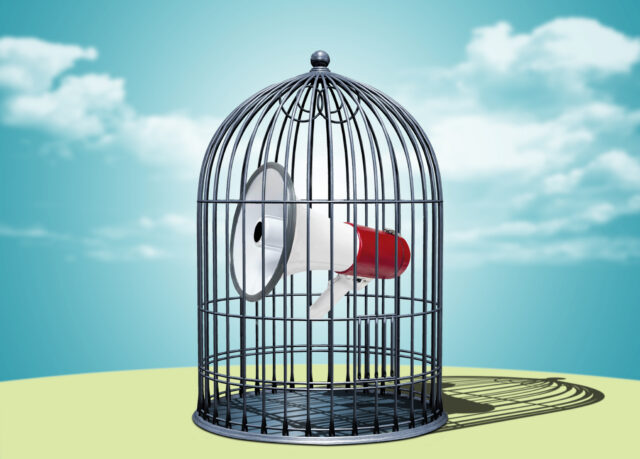
Meanwhile, global autocracy has expanded its influence at an accelerating pace. Authoritarian governments worldwide have perfected sophisticated techniques for controlling information, suppressing dissent, and manipulating public opinion through state-controlled media. Countries that were once considered beacons of democratic values have increasingly adopted restrictions on journalistic inquiry, creating a chilling effect on independent reporting and analysis. This worldwide trend toward authoritarianism represents a fundamental threat to the free exchange of ideas essential for functioning democracies.
Ukraine's relatively stronger position on the press freedom rankings may seem surprising given the nation's ongoing conflict and political challenges. However, Ukraine has actively worked to strengthen its media institutions and protect journalistic independence even amid extraordinary circumstances. The country's commitment to maintaining open information environments, despite enormous obstacles, has positioned it ahead of the United States in international assessments. This distinction carries profound symbolic weight, challenging American assumptions about the robustness of its democratic institutions and freedoms.
The factors contributing to America's declining press freedom status are multifaceted and concerning. Legal threats against journalists, including strategic lawsuits against public participation (SLAPPs), have increased dramatically in recent years. These lawsuits are designed not necessarily to prevail in court but to exhaust journalists' financial resources and discourage future reporting. Simultaneously, violent rhetoric directed at media organizations has escalated, creating genuine security concerns for reporters conducting their work in an increasingly hostile environment.

Economic pressures continue to devastate local news ecosystems across America. Hundreds of newspapers have closed over the past two decades, leaving entire regions without local journalism infrastructure. When local newsrooms disappear, communities lose the ability to monitor local government, schools, and public institutions. This creates information vacuums that often get filled by misinformation, conspiracy theories, and partisan propaganda rather than fact-based reporting. The loss of local journalism represents perhaps the most insidious threat to democratic accountability in contemporary America.
Furthermore, the consolidation of media ownership among a small number of massive corporations has reduced the diversity of voices and perspectives available to the American public. When a handful of companies control most broadcast and digital media outlets, the range of acceptable viewpoints narrows considerably. This concentration of media power undermines the marketplace of ideas that democratic societies depend upon, making it increasingly difficult for alternative viewpoints and investigative journalism to reach audiences effectively.
The relationship between media freedom and broader democratic health cannot be overstated. Throughout history, the first casualty of authoritarian movements has been a free and independent press. When governments successfully restrict journalistic inquiry, corruption flourishes, human rights abuses go unexamined, and public policy-making occurs beyond public scrutiny. The decline of press freedom in America should therefore alarm not just journalists and media companies, but all citizens who value democratic governance and accountability.
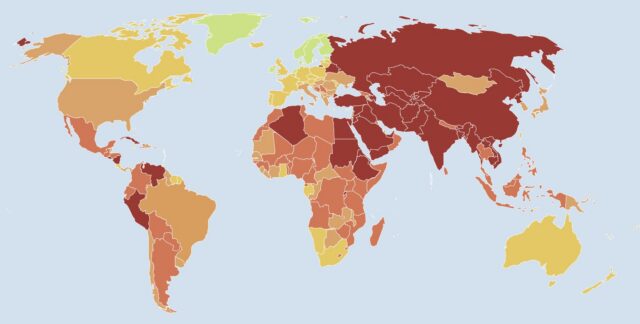
The global context makes this American decline even more troubling. As authoritarian powers expand their influence and democratic norms erode worldwide, the United States has historically served as a model for how democracies can protect and sustain free media. When America's own press freedom rankings decline, it weakens the moral authority of democracies everywhere to advocate for journalistic independence and freedom of expression. Authoritarian governments point to American struggles with press freedom as justification for their own repressive media policies.
Addressing this crisis requires multifaceted approaches addressing both institutional and cultural dimensions. Supporting local journalism through sustainable business models, protecting journalists from legal harassment and physical threats, and resisting media consolidation all represent important policy responses. Culturally, citizens must recommit to valuing journalism as an essential democratic institution rather than an enemy to be attacked and discredited. Educational initiatives promoting media literacy can help combat the erosion of trust in journalism that authoritarian actors have deliberately cultivated.
The decline of American press freedom should serve as a clarion call for all defenders of democracy. This challenge requires sustained commitment to protecting journalists, supporting quality journalism, and resisting the authoritarian impulses that threaten democratic institutions globally. The future of American democracy depends significantly on whether citizens, policymakers, and media organizations can reverse these troubling trends and restore press freedom to its rightful place as a cornerstone of democratic governance. Without immediate and sustained action, America risks further erosion of the institutional safeguards that have historically protected both journalism and democracy itself.

Source: Ars Technica


