
American Doctor Contracts Ebola in Congo

A U.S. physician treating patients in the Democratic Republic of Congo has tested positive for Ebola virus, according to CDC officials and medical personnel.
Health authorities have confirmed that an American physician working in the Democratic Republic of Congo has contracted Ebola virus, marking a significant development in international disease surveillance and medical humanitarian efforts. The diagnosis was announced by both the Centers for Disease Control and Prevention (CDC) and the medical organization where the doctor was stationed, raising concerns about infectious disease transmission in healthcare settings within affected regions.
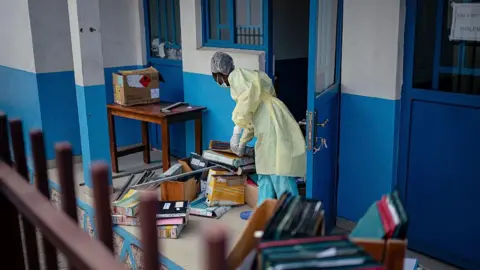
The infected American medical professional was engaged in treating Ebola patients when exposure to the virus occurred, according to statements from the medical group operating in the Central African nation. Healthcare workers face elevated occupational risks when managing cases of this highly contagious and often fatal hemorrhagic fever, particularly in resource-limited settings where protective equipment and infection control measures may be strained by overwhelming patient volumes.
The Democratic Republic of Congo has experienced multiple Ebola outbreaks in recent years, with the nation serving as a critical epicenter for studying and responding to the disease. Healthcare facilities throughout the country have implemented various protocols to prevent transmission, though challenges persist due to limited medical infrastructure and ongoing conflict in certain regions that complicates disease containment efforts.
The CDC and relevant health organizations are conducting thorough epidemiological investigations to trace potential contacts and monitor individuals who may have been exposed through interaction with the affected physician. Disease surveillance protocols have been activated to identify any secondary cases and prevent further transmission both within Congo and potentially internationally, given the individual's American citizenship and possible travel history.
This incident underscores the ongoing risks faced by medical professionals and humanitarian workers who dedicate their careers to treating patients in regions experiencing viral hemorrhagic fever outbreaks. International medical organizations continue to emphasize the importance of rigorous training, appropriate personal protective equipment, and strict adherence to infection control procedures when managing suspected or confirmed Ebola cases.
The contamination occurred despite the medical group's adherence to established safety protocols, highlighting that even with precautions in place, healthcare worker exposure remains a serious occupational hazard when treating Ebola patients. Transmission can occur through contact with blood or body fluids of infected individuals, and the virus's high fatality rate makes prevention paramount in medical settings.
The specific circumstances of the exposure are being investigated by health authorities to determine what preventive measures may have failed or been compromised. Understanding the exact mechanism of transmission is crucial for improving safety protocols and protecting other healthcare workers who continue essential treatment work in affected areas.
American citizens working abroad in medical capacities are typically supported by U.S. government health agencies and international organizations, which provide resources and expertise to manage medical crises. The affected physician's diagnosis triggers coordinated responses from multiple governmental and international bodies to ensure appropriate isolation, treatment, and contact tracing procedures are implemented.
The case emphasizes the critical importance of international disease monitoring and the role of organizations like the CDC in tracking infectious disease patterns and coordinating responses across borders. As global health threats continue to emerge, maintaining robust surveillance systems and international cooperation becomes increasingly vital for protecting both healthcare workers and general populations.
Medical professionals working in regions with active Ebola transmission receive specialized training to recognize symptoms early and implement isolation procedures swiftly. The commitment of healthcare workers to continue serving patients despite occupational risks demonstrates their dedication to humanitarian principles and disease control efforts, even when personal safety is at stake.
The Democratic Republic of Congo's health ministry, in coordination with international partners including the CDC and World Health Organization, continues efforts to strengthen outbreak response capabilities and provide better protection for healthcare workers. These collaborative international efforts are essential for controlling transmission and preventing future cases among medical personnel and the broader population.
Moving forward, this case will likely inform updated recommendations for healthcare worker safety, training protocols, and resource allocation in regions where Ebola and other hemorrhagic fevers pose ongoing threats. The experience of the affected American physician and the medical organization's response will contribute to the evolving understanding of how to better protect those providing critical medical care during disease outbreaks.
The incident also highlights the importance of ensuring that humanitarian medical workers have access to comprehensive health monitoring, psychological support, and appropriate treatment facilities should they become infected while serving in dangerous environments. International health agencies are committed to supporting this individual and implementing measures to prevent similar cases among healthcare workers in the future.
Source: BBC News


