
American Repatriation Flight Passenger Tests Positive for Hantavirus

A US national on a repatriation flight has tested positive for hantavirus. Health officials confirm mild symptoms in one of 17 Americans being evacuated home.
Health authorities have confirmed that one of 17 American nationals being transported on a repatriation flight has tested positive for hantavirus, marking a concerning development in the evacuation process. According to statements from the US health department, the individual is experiencing only mild symptoms at this time, though officials are closely monitoring their condition and that of fellow passengers aboard the aircraft.
The hantavirus positive case was identified during routine health screenings conducted as part of the comprehensive medical protocols established for the repatriation operation. The presence of the virus in one traveler has raised questions about potential exposure among the other passengers and crew members involved in the evacuation. Health officials have indicated that they are implementing additional precautions to prevent any potential transmission during the flight and upon arrival at the destination.
Hantavirus is a serious pathogen that can cause hantavirus pulmonary syndrome, a potentially life-threatening respiratory illness in humans. The virus is typically transmitted to people through contact with infected rodent droppings, urine, or saliva, though human-to-human transmission is extremely rare. The discovery of hantavirus in a repatriate has prompted heightened vigilance among medical personnel managing the evacuation operation.
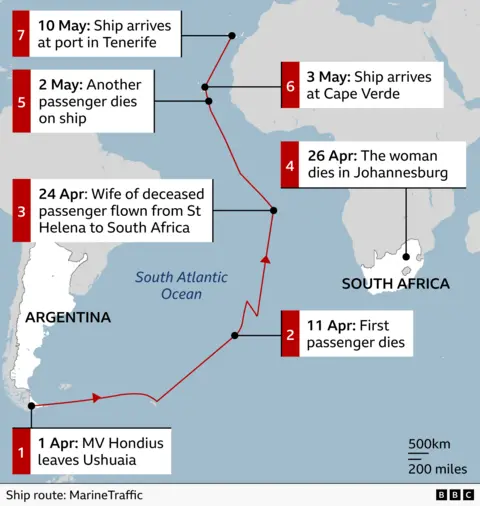
The individual who tested positive for hantavirus is reportedly in stable condition with only mild clinical manifestations. Medical teams accompanying the repatriation flight have been equipped with comprehensive protocols for managing potential hantavirus cases, including isolation procedures and continuous patient monitoring. The health department has reassured the public that all necessary precautions are being taken to ensure the safety of the affected passenger, other travelers, and flight crew members.
Officials have established a clear communication framework to keep the 17 Americans and their families informed about the situation. The repatriation flight continues to proceed according to schedule, with enhanced medical support available throughout the journey. The presence of trained medical professionals on board ensures that any complications or symptom progression can be addressed immediately.
The positive hantavirus test has prompted health authorities to review all screening protocols and ensure that they align with current epidemiological standards. Contact tracing procedures have been initiated to identify anyone who may have had close contact with the infected individual before boarding and during the flight. These measures are designed to provide an additional layer of protection for all parties involved in the evacuation.

Experts in infectious disease have emphasized that while hantavirus is concerning, the mild symptoms presentation in this case suggests the individual's immune system is managing the infection appropriately. However, close observation remains essential, as some hantavirus cases can develop more severe manifestations over time. The medical team's expertise in managing such cases will be crucial in ensuring the best possible outcome.
The repatriation operation itself represents a complex logistical and medical undertaking, involving coordination between multiple governmental agencies and international partners. The discovery of a hantavirus case within this context underscores the challenges inherent in managing large-scale evacuation efforts where health screening must be balanced with operational efficiency. The US health department has demonstrated its capacity to adapt its protocols in response to emerging health concerns.
Following arrival, the infected individual will likely be transferred to a specialized medical facility where they can receive specialized care and continued monitoring. Advanced diagnostic testing will be conducted to confirm the hantavirus diagnosis and assess the progression of the infection. Healthcare providers will employ evidence-based treatment approaches to support the patient's recovery.
The other 16 Americans on the repatriation flight will undergo additional health screening upon landing to determine if any secondary cases have developed. Preventive measures such as respiratory protection and hand hygiene protocols will be reinforced among all passengers and crew members. The health screening procedures implemented during and after the flight represent a comprehensive approach to disease containment and prevention.
Public health officials have stated that they are prepared to deploy additional resources if needed to manage any potential clusters or secondary transmissions. The incident serves as a reminder of the importance of robust health surveillance systems, particularly during mass repatriation and evacuation operations. Training and preparedness for emerging infectious diseases remain critical components of the nation's public health infrastructure.
As the repatriation flight continues toward its destination, the focus remains on ensuring the health and safety of all individuals aboard. The proactive approach taken by health authorities demonstrates a commitment to transparency and rigorous disease management protocols. The situation will continue to be monitored closely, with regular updates provided to relevant stakeholders and the affected individuals' families.
The presence of a hantavirus case among repatriates highlights the unpredictable nature of infectious disease threats and the need for flexible, responsive health systems. As the evacuation operation proceeds, medical professionals will maintain elevated surveillance for any signs of illness among other passengers. This incident reinforces the importance of continued investment in diagnostic capabilities and disease surveillance infrastructure.
Source: BBC News


