
Amsterdam Bans Public Ads for Meat and Fossil Fuels

Amsterdam implements groundbreaking advertising restrictions on meat and fossil fuels to align with environmental sustainability goals and climate commitments.
Amsterdam has taken a significant step toward environmental responsibility by implementing a comprehensive ban on public advertising for meat and fossil fuels throughout the Dutch capital. This landmark decision reflects the city's commitment to environmental sustainability and represents one of Europe's most aggressive approaches to limiting promotional content that conflicts with climate and health objectives. Local politicians unanimously support the initiative, viewing it as a necessary extension of Amsterdam's broader environmental targets aimed at reducing carbon emissions and promoting healthier living standards among residents.
The ban encompasses all forms of public advertisements on municipal property and public spaces, including billboards, transit stations, and city-owned digital displays. Advertisers will no longer be permitted to promote meat products or fossil fuel-related services within the city's jurisdiction, marking a watershed moment in how municipalities approach commercial speech in the context of climate action. This policy applies to both traditional advertising formats and emerging digital platforms located on public infrastructure, ensuring comprehensive coverage across all visible advertising channels throughout the metropolitan area.
City officials have emphasized that this restriction aligns directly with Amsterdam's climate targets and environmental goals, which include achieving carbon neutrality and reducing overall greenhouse gas emissions. The move acknowledges the significant environmental footprint of meat production, including deforestation, water consumption, and methane emissions from livestock farming. Similarly, the fossil fuel advertising ban reflects the city's commitment to transitioning away from carbon-intensive energy sources toward renewable alternatives, supporting the European Union's broader green energy transition initiatives.
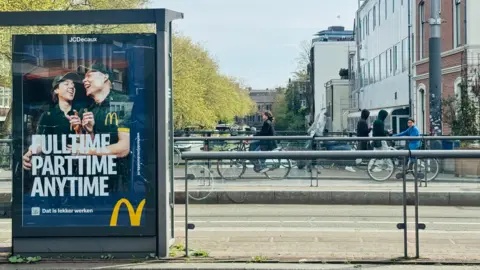
The advertising restrictions were developed following extensive consultation with environmental experts, health officials, and sustainability advocates who presented evidence regarding the environmental and public health impacts of meat consumption and fossil fuel dependency. Research cited by city administrators demonstrates that reducing meat consumption can significantly lower an individual's carbon footprint, while transitioning away from fossil fuels is essential for meeting international climate agreements. These scientific conclusions formed the evidence base for the policy decision, ensuring that the ban rests on solid environmental and health research rather than purely ideological grounds.
Amsterdam's approach represents a growing trend among progressive European cities that are using municipal regulatory powers to influence consumer behavior toward more sustainable choices. Cities across Europe have increasingly recognized that advertising restrictions represent a legitimate policy tool for advancing public health and environmental objectives. By limiting promotional content for environmentally harmful products, municipalities can reshape the commercial landscape and normalize sustainable consumption patterns among their citizens without imposing prohibitive regulations on personal choices.
The ban extends to all municipal advertising contracts and partnerships, meaning that companies seeking to maintain advertising relationships with the city must ensure their promotional materials comply with the new restrictions. This approach creates economic incentives for businesses to shift their marketing strategies toward environmentally sustainable products and services. Companies operating within Amsterdam's jurisdiction will need to adapt their advertising portfolios, potentially spurring innovation in marketing sustainable meat alternatives and renewable energy solutions.

Environmental advocates have praised Amsterdam's decision as a bold and necessary step in addressing the climate emergency through innovative policy mechanisms. Organizations focused on climate action and public health have noted that limiting fossil fuel advertising helps counteract decades of promotional messaging that normalized carbon-intensive energy consumption. By reducing the visibility of these industries' advertising campaigns, the city creates space for competing messages about renewable energy and sustainable living, fundamentally altering the information environment that shapes consumer decisions.
The implementation of the ban will occur gradually, with existing advertising contracts being phased out as they reach their expiration dates, allowing for a transition period rather than an abrupt market disruption. This measured approach reflects city administrators' recognition of the practical challenges involved in policy transitions while maintaining the integrity of the environmental objectives behind the restriction. Businesses currently holding advertising contracts will receive adequate notice and time to develop alternative marketing strategies that comply with the new regulations.
Critics have raised concerns about the ban's potential implications for commercial freedom and market competition, though these objections have remained relatively muted among Amsterdam's political leadership. City officials have countered that municipal governments possess legitimate authority to restrict advertising on public property in pursuit of public health and environmental objectives. Legal scholars have noted that comparable restrictions exist in many jurisdictions regarding advertising for tobacco and alcohol products, suggesting that environmental restrictions fall within established precedent for limiting commercial speech.

Amsterdam's decision comes as part of a broader municipal sustainability strategy that encompasses renewable energy transition initiatives, building efficiency programs, and circular economy development. The environmental policy reflects the city's commitment to becoming a global leader in sustainable urban development and climate action. By combining regulatory measures, infrastructure investments, and cultural messaging strategies, Amsterdam is attempting to create systemic change that extends beyond individual consumer choices to reshape the entire urban ecosystem toward sustainability.
The ban also serves a symbolic purpose, demonstrating municipal commitment to environmental protection and signaling to residents, businesses, and international observers that Amsterdam takes climate action seriously. This symbolic dimension can influence corporate decision-making, as companies may voluntarily adopt more sustainable practices to align with the city's values and attract environmentally conscious consumers. International attention to Amsterdam's policy has already prompted other European municipalities to evaluate similar restrictions, suggesting the potential for policy diffusion across the continent.
Looking forward, city officials have indicated their willingness to evaluate additional advertising restrictions if evidence suggests other industries warrant similar limitations. The ban may represent the opening chapter of Amsterdam's broader effort to use every available policy tool to achieve its ambitious climate targets. As the city monitors the ban's effects on advertising patterns, consumer behavior, and environmental outcomes, policymakers will assess whether additional restrictions or complementary policies are necessary to achieve the desired sustainability outcomes.

The implementation of Amsterdam's advertising ban raises important questions about the relationship between commercial speech, public health, and environmental protection in contemporary cities. As climate change increasingly dominates policy discussions globally, other municipalities may look toward Amsterdam's innovative approach as a template for their own sustainability strategies. The ultimate success of the ban will depend on whether it contributes meaningfully to behavior change and environmental improvement while maintaining public support for this novel exercise of municipal regulatory authority.
Source: BBC News


