
Ancient Neolithic Hall Recreated Near Stonehenge

English Heritage unveils a stunning 7-metre-high reconstruction of a 4,500-year-old Neolithic hall at Stonehenge, offering visitors insight into prehistoric builders' lives.
English Heritage has officially opened the doors to a remarkable architectural reconstruction that transports visitors back 4,500 years into the world of ancient Britain. The Kusuma Neolithic Hall, a meticulously researched recreation of a prehistoric building, stands as a towering testament to the ingenuity and mystery of the people who constructed Stonehenge. This innovative exhibit combines archaeological evidence with cutting-edge reconstruction techniques to provide an immersive experience unlike any other heritage site in the United Kingdom.
The structure takes its inspiration from the Durrington Walls site, one of the most significant archaeological locations near the world-famous stone circle. At seven metres high, the reconstructed hall dominates the landscape and immediately captures the imagination of visitors who walk beneath its timber frame. The building's sheer scale demonstrates the ambition and engineering prowess of Neolithic communities who inhabited the Stonehenge region during the fourth millennium BCE. Every aspect of the construction has been carefully considered based on available archaeological evidence and expert interpretation of prehistoric building practices.
The purpose of this ancient Neolithic hall remains shrouded in intrigue and scholarly debate. Archaeological experts have proposed multiple theories about its original function that reveal the complexity of prehistoric life. The structure could have served as a ceremonial center where communities gathered for important rituals and celebrations, reinforcing social bonds and spiritual beliefs. Alternatively, it may have functioned as a practical shelter housing pack animals or livestock that accompanied the labourers involved in the monumental task of building Stonehenge.
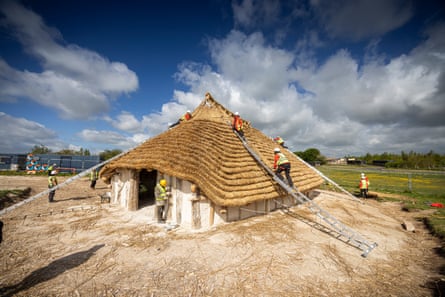
Yet another compelling theory suggests the building provided essential shelter and rest for exhausted workers engaged in the multi-generational project of erecting the stone circle. The demanding physical labour required to quarry, transport, and position massive stones would have necessitated places where workers could recover and recuperate. The reconstruction allows visitors to envision the daily lives of these prehistoric people, contemplating their motivations, social structures, and the organizational capabilities required to achieve such architectural marvels. This human-centered perspective transforms Stonehenge from an abstract historical monument into a tangible connection to our ancestors.
The uncertainty surrounding the building's exact purpose underscores the limitations of archaeological interpretation and the challenges scholars face when examining prehistoric settlements without written records. However, this ambiguity also represents the exciting frontier of archaeological discovery, where multiple interpretations remain plausible. The archaeological site at Durrington has yielded extensive artefactual evidence, including pottery fragments, animal bones, and tool marks that inform every detail of this reconstruction. These physical traces provide tantalizing clues about daily life during the Neolithic period, even as complete certainty remains elusive.
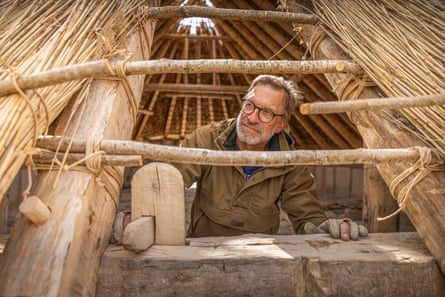
English Heritage's decision to create this prehistoric building reconstruction reflects a broader shift in heritage presentation toward immersive, interactive experiences that engage modern audiences. Rather than simply presenting static information or distant views of archaeological remains, the organization has invested in creating a visceral encounter with the past. Visitors can now walk inside the structure, feel the weight of timber supports overhead, and gain a tangible sense of spatial proportions that would have been familiar to Neolithic inhabitants. This approach democratizes understanding of ancient history, making complex archaeological concepts accessible to diverse audiences.
The reconstruction process itself involved extensive collaboration between English Heritage specialists, academic archaeologists, and skilled craftspeople. Teams studied comparable structures from other Neolithic sites across Europe, examining building techniques that predate the Bronze Age and the advent of iron tools. They consulted archaeological surveys and excavation reports, synthesizing decades of research into a coherent vision of how this structure might have appeared. Modern construction methods were adapted to utilize materials and techniques consistent with Neolithic-era capabilities, creating an authentic historical experience without compromising visitor safety.
The Stonehenge landscape itself provides crucial context for understanding the reconstructed Neolithic hall. This UNESCO World Heritage Site encompasses not only the iconic stone circle but also numerous surrounding features including burial mounds, stone circles, and settlement sites that collectively tell the story of prehistoric occupation and development. The Durrington Walls settlement, situated approximately three kilometres from Stonehenge, represents one of the largest Neolithic gathering places in Europe. Archaeological evidence suggests that thousands of people converged on the region periodically, possibly for ceremonial occasions or communal construction projects.
The exhibition surrounding the reconstructed hall provides further educational context through interpretive panels, artifact displays, and multimedia presentations. Visitors learn about the daily lives of Neolithic people, their diet, social organization, religious beliefs, and technological innovations. The presentation emphasizes that these were not primitive or unsophisticated cultures, but rather complex societies capable of coordinating large-scale collaborative efforts and maintaining extensive trade networks spanning continental distances. This perspective challenges outdated stereotypes about prehistoric peoples and recognizes the achievements and intellectual capabilities of our ancient ancestors.
The location of this reconstruction near Stonehenge carries particular significance for understanding Neolithic heritage and history. The region witnessed an extraordinary concentration of monumental construction activity during the third and fourth millennia BCE, suggesting it held profound cultural and spiritual importance for prehistoric communities. The reconstructed hall serves as a physical reminder that Stonehenge was not an isolated phenomenon but rather the centerpiece of a complex cultural landscape populated by organized, ambitious societies. By presenting evidence of residential structures and domestic life alongside the famous monument, English Heritage enriches our comprehension of prehistoric British civilization.
The Kusuma Neolithic Hall stands as a remarkable achievement in heritage interpretation and archaeological reconstruction, inviting visitors to contemplate the mysteries and marvels of the deep past. Whether it functioned as a ceremonial gathering space, a practical shelter for workers and animals, or something entirely different, the building represents a tangible connection to the people who transformed the Stonehenge landscape into humanity's most enduring archaeological enigma. The reconstruction demonstrates how contemporary archaeology combines rigorous scholarship with creative interpretation to bring ancient worlds to life for modern audiences, fostering deeper appreciation and understanding of our shared human heritage.
Source: The Guardian


