
Anderson Brings Dior's Hollywood Vision to Life

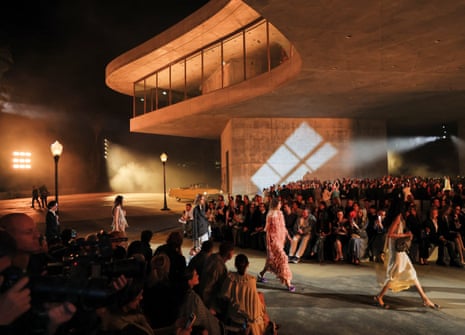
Jonathan Anderson stages a blockbuster Dior show in Los Angeles, drawing inspiration from Christian Dior's legendary cinema legacy and Hitchcock's Stage Fright.
In a strategic move that underscores the evolution of contemporary haute couture, fashion designer Jonathan Anderson has orchestrated a landmark catwalk presentation in Los Angeles, positioning Dior as more than a Parisian institution but as a bona fide Hollywood power player. The show represents a deliberate expansion of the luxury brand's footprint in the entertainment industry, echoing the visionary business acumen of Christian Dior himself. Anderson's decision to stage this event on the West Coast signals a fundamental shift in how prestigious fashion houses engage with the film industry and celebrity culture.
The creative director drew inspiration from Alfred Hitchcock's classic film noir thriller "Stage Fright," a production that Christian Dior dressed for the legendary actress Marlene Dietrich. "We think of Dior as this romantic character, but he was also a very savvy businessman," Anderson explained before the presentation. "There is all this amazing correspondence between Dior, Dietrich and Hitchcock, which shows how he navigated the money that it cost to make that film. I think we underestimate how much negotiation Dior did with studio executives. He was very smart in that way."
This cinematic touchstone provides the thematic foundation for Anderson's vision of Dior's cinema presence in the contemporary fashion landscape. By excavating the historical relationship between Christian Dior and Hollywood's golden age, Anderson illuminates the designer's sophisticated understanding of brand positioning and cultural capital. The parallels between Dior's negotiations with studio executives in the mid-20th century and modern strategic brand partnerships demonstrate timeless principles of luxury marketing.
Anderson, 41, represents a new generation of creative leadership within the storied French fashion house. Born in Northern Ireland, the designer has cultivated a cosmopolitan lifestyle, splitting his time between London and Paris while maintaining deep connections to his creative roots. His appointment to lead Dior marked a significant turning point for the brand, introducing fresh perspectives while respecting the heritage that Christian Dior established. This balance between innovation and tradition has become Anderson's signature approach to design leadership.
Beyond his responsibilities at Dior, Anderson has cultivated a parallel career as costume designer for renowned filmmaker Luca Guadagnino's productions. This dual role in fashion and film positions him uniquely to bridge the worlds of haute couture and cinema. His work on Guadagnino's projects has earned critical acclaim and demonstrated his deep understanding of how clothing communicates character, emotion, and narrative within a visual medium. This expertise directly informs his strategic vision for revitalizing Dior's relationship with the film industry.
The Los Angeles event reflects a broader trend among luxury fashion houses to engage directly with entertainment markets. Rather than waiting for celebrities to discover and wear their designs, forward-thinking brands are actively cultivating relationships with filmmakers, producers, and studios. Anderson's approach combines this modern strategy with historical perspective, reminding audiences that Christian Dior was himself an innovator who recognized the cultural power of cinema.

The correspondence between Christian Dior, Marlene Dietrich, and Alfred Hitchcock reveals a sophisticated network of cultural production that extended far beyond simple costume provision. Dior understood that dressing actors in major studio productions provided unparalleled exposure and artistic credibility. The investment in "Stage Fright" demonstrated Dior's willingness to engage with the commercial film industry on its own terms, negotiating terms that benefited both parties. These historical precedents inform Anderson's contemporary strategy for deepening Dior's engagement with Hollywood.
Anderson's statement that the fashion world "underestimates how much negotiation Dior did with studio executives" reveals an important gap in fashion history. The image of Christian Dior as a purely artistic visionary obscures his shrewd business practices and understanding of commercial dynamics. Anderson's willingness to highlight this aspect of Dior's legacy suggests a more mature and sophisticated approach to luxury brand building. The Los Angeles show, therefore, functions as both creative statement and business strategy.
The timing of this Los Angeles fashion presentation carries additional significance in the context of global luxury market trends. The entertainment and fashion industries increasingly overlap, with streaming services investing heavily in prestige content and celebrities wielding unprecedented influence over consumer behavior. By establishing Dior's presence in Los Angeles, Anderson positions the brand to capitalize on these shifts. The show demonstrates that major fashion houses no longer view Hollywood as a secondary market but as essential territory for brand development.

Anderson's strategic vision encompasses not merely one-off collaborations but sustained engagement with the film industry. His work as a costume designer provides authentic insight into how filmmakers think about visual storytelling and character development through clothing. This understanding translates directly into collections that resonate with entertainment industry professionals and audiences who consume visual culture through screens. The Dior Hollywood strategy therefore bridges high fashion and popular culture in meaningful ways.
The collection unveiled in Los Angeles draws heavily from the noir aesthetic and dramatic silhouettes featured in "Stage Fright." By returning to this historical reference point, Anderson creates continuity between Christian Dior's era and contemporary fashion. The designs honor the original while speaking to modern sensibilities, demonstrating how great design transcends temporal boundaries. This approach validates Anderson's leadership and positions him as a curator of cultural memory as well as a creator of new aesthetic possibilities.
Looking forward, Anderson's vision for Dior's entertainment industry partnerships suggests a template for how luxury fashion brands can remain relevant and culturally significant. Rather than chasing trends or reacting to celebrity whims, the strategy involves actively shaping the cultural conversation through strategic partnerships with respected creatives. By investing in cinema and supporting filmmakers, Dior positions itself as a brand that understands and supports artistic endeavor. This positioning creates deeper consumer connections than conventional advertising ever could.

The Los Angeles show ultimately represents Anderson's answer to a fundamental question facing all legacy fashion houses: how to honor heritage while embracing contemporary relevance. By drawing on Christian Dior's own precedent of engaging with cinema, Anderson demonstrates that respecting tradition need not mean stagnation. The strategic decision to stage this presentation on the West Coast, rather than in traditional fashion capitals, signals a recalibration of where cultural authority resides in the contemporary moment. Anderson's Dior is learning from the past while aggressively shaping the future.
Source: The Guardian


