
Android 17 Upgrades iOS File Sharing & Digital Wellness

Android 17 brings improved cross-platform file sharing with iOS, digital wellness features that force app breaks, and launches 3D Emoji. Here's what's new.
Android 17 marks Google's latest major operating system update, introducing a suite of features designed to enhance user experience across multiple dimensions, from seamless cross-platform compatibility to innovative digital wellness tools. The newest iteration of Google's mobile operating system demonstrates the company's commitment to bridging the gap between Android and iOS ecosystems while simultaneously addressing growing concerns about smartphone addiction and app dependency. This comprehensive update brings tangible improvements that users have long requested, particularly regarding file-sharing capabilities between Android and Apple devices.
One of the most significant additions in Android 17 is the substantial upgrade to iOS file sharing functionality. Google has recognized that smartphone users increasingly work across multiple device ecosystems, with many individuals maintaining both Android phones and iPhones simultaneously. The improved file-sharing mechanism now facilitates more seamless data transfer between the two platforms, reducing friction and enhancing productivity. Users can now exchange files, documents, and media with greater ease, thanks to enhanced protocols that work more reliably across the iOS-Android divide. This cross-platform improvement addresses a persistent pain point for users who have struggled with compatibility issues when trying to move content between their devices.
The technical implementation behind these enhanced iOS file sharing capabilities represents a significant engineering achievement for Google's engineering teams. Rather than relying solely on cloud-based solutions or third-party applications, the native file-sharing improvements are built directly into the operating system, providing faster and more direct transfer capabilities. This approach ensures that users don't need to download additional applications or subscribe to premium cloud services simply to share files between their Android phone and an iPhone. The integration is designed to be intuitive, allowing even non-technical users to understand and utilize the improved sharing features without extensive training or setup procedures.
Beyond file-sharing enhancements, Android 17 introduces groundbreaking digital wellness features that represent Google's acknowledgment of smartphone addiction as a legitimate public health concern. The operating system now includes mandatory break enforcement systems that interrupt usage of particularly addictive applications, forcing users to take breaks even when they would prefer to continue using the apps. This feature reflects growing recognition among technology companies that they bear some responsibility for the well-being of their users, particularly younger individuals who may be more susceptible to developing unhealthy usage patterns.
The app addiction prevention system works by analyzing user behavior patterns and identifying applications that tend to encourage excessive usage. Once flagged, these applications will trigger periodic interruptions that require user action to continue using them, effectively creating friction that encourages healthier usage habits. Rather than allowing apps to run indefinitely, the system creates natural stopping points throughout the day. These forced breaks can be customized to some degree, allowing users to maintain control over their digital lives while still benefiting from the system's protective mechanisms. The implementation demonstrates thoughtful design that balances user autonomy with genuine health benefits.
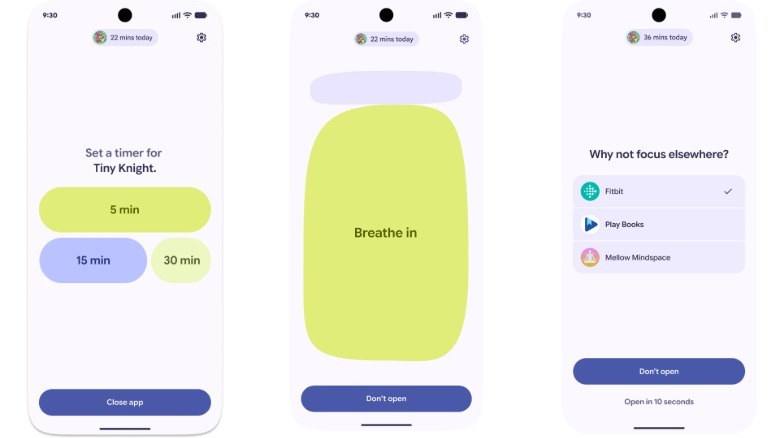
Parents and guardians particularly appreciate these digital wellness innovations, as they provide built-in tools to help manage their children's smartphone usage without requiring third-party parental control applications. The system is transparent about how it works, providing users with detailed analytics about their app usage patterns and explaining why specific interruptions are being triggered. This transparency helps educate users about their own behavior and makes the intervention feel less punitive and more supportive. The approach aligns with modern psychology research suggesting that awareness and conscious interruption of habitual behaviors can effectively reduce dependency.
Complementing these practical improvements, Google is also introducing 3D Emoji functionality that brings a new dimension to digital communication and expression. These three-dimensional emoji representations move beyond the static, two-dimensional designs that have dominated emoji communication for years. The 3D Emoji feature allows users to express themselves in more nuanced and creative ways, with emoji characters that can rotate, animate, and display from multiple angles. This innovation transforms emojis from simple pictographic symbols into more expressive communication elements that can convey emotion and meaning with greater sophistication.

The 3D Emoji implementation in Android 17 leverages advanced rendering technology to display these characters smoothly across various devices with different processing capabilities. Google has optimized the feature to minimize battery drain and data usage, ensuring that the enhanced emoji experience doesn't negatively impact device performance. Users can select from a diverse range of 3D emoji designs that represent different ethnicities, expressions, and activities, promoting inclusivity within digital communication. The customization options allow users to modify emoji appearance, adding personal touches that reflect their identity and communication style.
This newest Android operating system version demonstrates Google's comprehensive approach to mobile development, addressing technical requirements, user well-being, and creative expression simultaneously. The combination of practical improvements like enhanced iOS compatibility with innovative features like 3D emoji and digital wellness tools creates a well-rounded update that appeals to diverse user segments. Whether users are primarily concerned with productivity, screen time management, or creative expression, Android 17 provides meaningful enhancements that improve their daily experience with their mobile devices.
The rollout of Android 17 represents Google's evolution as a platform provider that considers not just technical specifications and performance metrics, but also user experience and well-being. By addressing the persistent challenge of iOS-Android interoperability while simultaneously tackling the societal concern of digital addiction, Google demonstrates maturity in its approach to operating system design. As smartphone usage continues to grow worldwide, these features will become increasingly relevant and valuable to millions of users navigating the complex relationship between technology and daily life. The update positions Android as a platform that takes user concerns seriously while continuing to innovate in ways that enhance human creativity and connection.
Source: Engadget


