
Android Auto Redesign 2026: New UI & 3D Maps

Google is overhauling Android Auto in 2026 with a revamped interface, widget support, and immersive 3D mapping features. Here's what to expect.
Android Auto is undergoing a comprehensive transformation in 2026, marking one of the most significant updates to Google's automotive platform in recent years. The upcoming redesign promises to modernize the user experience with a fresh interface, expanded functionality, and cutting-edge navigation capabilities that will reshape how drivers interact with their vehicles.
The revamped user interface represents a fundamental shift in how Android Auto design approaches in-car computing. Rather than simply refreshing existing elements, Google has rebuilt the platform from the ground up to better reflect modern design principles and user expectations. The new interface will feature a cleaner, more intuitive layout that reduces driver distraction while increasing accessibility to essential functions and features that matter most during your commute.
One of the most exciting additions to the 2026 update is native widget support for Android Auto. This feature allows developers and manufacturers to create customized widgets that display real-time information directly on your vehicle's infotainment screen. Users will be able to personalize their driving experience by selecting which widgets appear, enabling quick access to navigation shortcuts, music controls, messaging summaries, and other critical information without navigating through multiple menu layers.
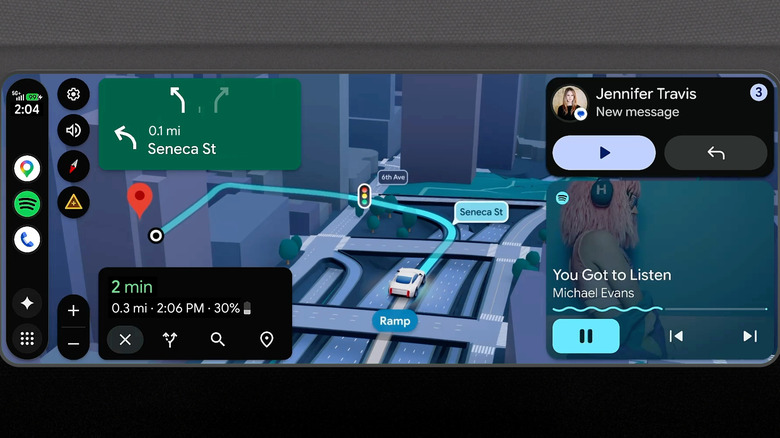
3D mapping technology brings immersive navigation to the forefront of the Android Auto experience. Unlike traditional 2D maps, the new three-dimensional visualization provides drivers with a more intuitive understanding of their surroundings, road layouts, and upcoming turns. This enhanced spatial awareness can help reduce navigation errors and make the driving experience more engaging, particularly in complex urban environments with multiple intersecting roads and highways.
The mapping enhancements go beyond simple aesthetic improvements. Google's immersive 3D maps incorporate real-world environmental details, building landmarks, and street-level information that helps drivers navigate with greater confidence. The technology renders roads, intersections, and upcoming maneuvers in a way that mirrors how drivers naturally perceive their environment, making split-second decisions easier and safer during critical moments on the road.
These improvements collectively demonstrate Google's commitment to evolving Android Auto features in response to changing automotive technology and user demands. As vehicles become increasingly connected and infotainment systems grow more sophisticated, Android Auto must adapt to remain relevant and competitive in the automotive software ecosystem. The 2026 redesign addresses these needs head-on with thoughtful improvements across multiple dimensions.
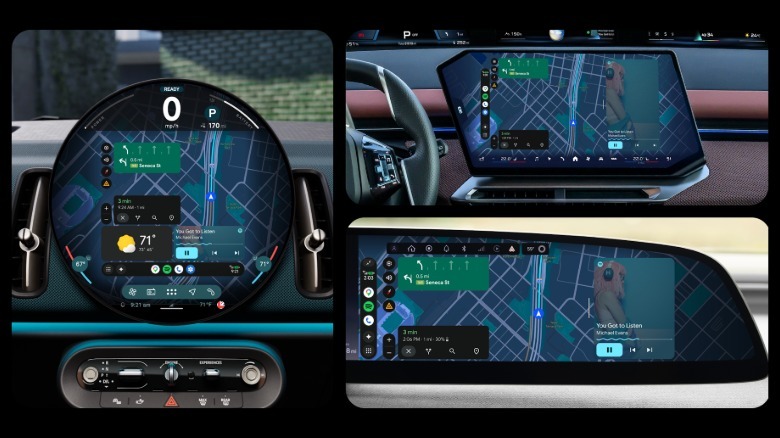
The widget functionality represents a significant departure from Android Auto's previous approach to third-party integration. Previously, developers had limited options for customizing how their applications appeared within the platform. The new widget system opens possibilities for deeper customization and more meaningful integration between Android Auto and the apps users depend on daily, from music streaming services to messaging applications and ride-sharing platforms.
Google has signaled that the 2026 update will prioritize driver safety and distraction reduction alongside these feature additions. The redesigned interface will include refined gesture controls, voice command improvements, and simplified navigation that keep driver attention focused on the road. By consolidating information and streamlining access to critical functions, the new Android Auto aims to reduce the cognitive load associated with interacting with in-car systems.
The timeline for rolling out these changes suggests a phased approach, with initial updates potentially arriving in the latter half of 2025 before the full 2026 makeover reaches all compatible vehicles. Manufacturers and app developers will likely need time to prepare for these changes, testing their applications and optimizing widgets to function seamlessly within the new environment. This gradual rollout strategy helps ensure stability and allows for feedback integration before the complete overhaul reaches end users.
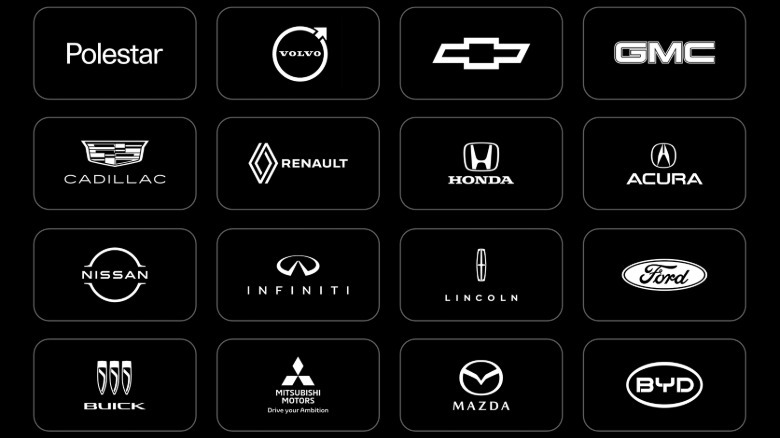
Compatibility considerations will play an important role in the rollout strategy. Not all vehicles equipped with Android Auto will receive the full feature set simultaneously, as the capabilities depend on hardware specifications, infotainment system processors, and display resolutions. Newer vehicles with more advanced hardware will likely access the complete suite of features, while older models may receive limited versions of the redesigned interface and new capabilities.
The competitive landscape also influences Google's strategic decisions regarding this update. Apple's CarPlay integration continues to expand across the automotive industry, pushing Google to innovate and improve Android Auto to maintain its market position. The 2026 redesign represents Google's answer to these competitive pressures, offering features and improvements that differentiate Android Auto and provide compelling reasons for consumers to choose Android-compatible vehicles.
Industry analysts expect these changes to energize the Android Auto ecosystem and potentially accelerate adoption rates among both consumers and automotive manufacturers. The addition of widget support particularly opens new revenue opportunities for developers who can create specialized applications designed specifically for the in-car environment. As the automotive industry continues its digital transformation, platforms like Android Auto become increasingly central to the overall vehicle experience.
Looking ahead, this 2026 update appears to be just the beginning of a longer-term evolution for Android Auto. Google's investment in improving the platform suggests continued development roadmaps that will push the boundaries of what in-car computing can achieve. As vehicles become more autonomous and connected, Android Auto will likely expand its role beyond entertainment and navigation to include vehicle control systems and advanced driver assistance features.
The revamped user interface, widget support, and immersive 3D mapping capabilities collectively represent a thoughtful evolution of Google's automotive platform. These improvements address real user needs while positioning Android Auto for success in an increasingly competitive marketplace. For drivers and automotive enthusiasts eagerly awaiting the next generation of in-car technology, the 2026 Android Auto redesign promises to deliver meaningful enhancements that will improve safety, convenience, and overall driving enjoyment.
Source: Engadget


