
Android XR: Google's Smart Glasses Vision Becomes Reality

Google's Android XR platform is gaining momentum with smart glasses technology. Discover the key advantages and innovations driving this major shift in extended reality.
Android XR is transitioning from concept to concrete reality, marking a significant milestone in Google's ambitious push into the extended reality landscape. The tech giant has invested considerable resources and expertise into developing a platform that promises to redefine how users interact with digital content through wearable technology. With multiple iterations in development and strategic partnerships forming across the industry, Google's smart glasses initiative is finally demonstrating the tangible progress that skeptics have long demanded.
The journey toward viable extended reality technology has been fraught with challenges, false starts, and technological hurdles that have derailed competing ventures. However, Google's systematic approach to building out the Android XR ecosystem suggests the company has learned from industry missteps while leveraging its substantial resources in artificial intelligence, software development, and hardware integration. The platform represents more than just another attempt at wearable tech—it embodies Google's comprehensive vision for how computing will evolve in the coming decade.
One of the most compelling aspects of Android XR implementation lies in the inherent advantages the platform carries compared to rival systems. Google's deep expertise in operating systems, cloud infrastructure, and machine learning algorithms positions Android XR as a formidable contender in the competitive extended reality market. The company's ability to seamlessly integrate its suite of services—from Google Assistant to Maps, Search, and Gmail—directly into the wearable experience creates a coherent ecosystem that competitors will struggle to replicate.
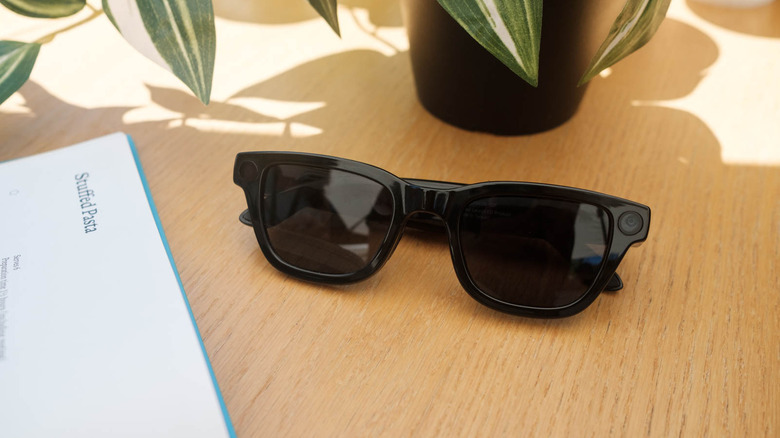
The software foundation underlying Android XR smart glasses draws heavily from Android's proven track record of flexibility, customization, and broad developer support. Google has spent years refining Android into the world's most popular mobile operating system, accumulating vast knowledge about how to optimize software for devices with varying computational capabilities. This extensive background provides Android XR with a significant head start in terms of software maturity, third-party application availability, and ecosystem robustness that pure startups cannot easily match.
Hardware design represents another critical component where Google demonstrates considerable advantages in bringing XR smart glasses technology to mainstream consumers. The company's collaboration with established hardware manufacturers and its own capabilities in custom chip design—evidenced by the Tensor processing units powering recent Pixel devices—suggest Android XR glasses will offer compelling performance characteristics. Early reports indicate these devices will balance computational power, battery efficiency, and form factor in ways that address previous generation shortcomings.
The integration of advanced AI capabilities directly into Android XR devices represents a fundamental differentiator from earlier wearable attempts. Google's leadership in machine learning, demonstrated through products like Google Assistant, Bard, and various vision-based AI systems, means Android XR can offer intelligent features that anticipate user needs and provide contextually relevant information. Real-time translation, enhanced object recognition, and predictive assistance features become practical possibilities when powered by Google's AI infrastructure.

Developer ecosystem support will prove essential to Android XR's long-term viability, and Google's approach here reflects lessons learned from previous platform launches. By building Android XR as an extension of the existing Android framework, the company makes it substantially easier for developers familiar with Android development to create applications for the new platform. This dramatically expands the potential application library, reducing the "chicken-and-egg" problem that has plagued competing XR platforms struggling to build robust software ecosystems.
The timing of Android XR smart glasses emergence aligns with broader market trends suggesting consumer readiness for advanced wearable technology has increased substantially. Consumer frustration with smartphone addiction, growing comfort with voice interfaces, and improved battery technology all create favorable conditions for AR glasses adoption. Additionally, enterprise applications for XR technology have matured considerably, providing initial revenue streams and use cases that can subsidize consumer product development.
Privacy and security considerations loom large for any device equipped with cameras and sensors positioned on the user's face. Google's established reputation for handling user data, combined with its track record of security updates and privacy features across Android devices, positions the company favorably in addressing consumer concerns. The company's commitment to privacy-preserving machine learning and on-device processing capabilities—rather than constantly streaming data to cloud servers—demonstrates awareness of these critical issues.

Competitive pressures from other technology giants will undoubtedly influence Android XR's development trajectory and market strategy. Apple's aggressive push into spatial computing with Vision Pro, Microsoft's continued development of HoloLens, and Meta's substantial investments in VR and AR represent formidable competition. However, Google's different strategic positioning—focusing on lighter weight, more accessible smart glasses rather than expensive spatial computers—may ultimately prove more commercially viable for mainstream adoption.
The enterprise market presents particularly promising opportunities for Android XR platform deployment in specialized applications. Manufacturing, logistics, healthcare, and field service industries have demonstrated significant appetite for augmented reality solutions that increase worker efficiency and reduce errors. Google's existing enterprise relationships through Workspace and other business-focused offerings provide natural channels for introducing Android XR into professional environments.
Looking forward, the successful implementation of Android XR hinges on several critical factors beyond technology excellence alone. Manufacturing at scale, supply chain optimization, battery technology advancement, and developer incentive programs will all play crucial roles in determining whether this platform achieves mainstream success or remains a niche offering. Google's demonstrated ability to execute on large, complex technology initiatives—from cloud infrastructure to autonomous vehicles—suggests reasonable confidence in the company's capacity to navigate these challenges.
The transition of Android XR from theoretical concept to tangible product signals that Google is serious about establishing dominance in extended reality computing. With clear competitive advantages in software, artificial intelligence, hardware capabilities, and ecosystem support, the company possesses the fundamental building blocks for success. While significant challenges undoubtedly remain, and execution risk persists, Android XR smart glasses finally appear poised to become a legitimate force in reshaping how humans interact with technology and digital information in physical spaces.
Source: Engadget


