
Annabel's Mayfair Club Admits 'Dumb Mistake' Over Staff Tips

Luxury Mayfair club Annabel's faces backlash after using £70,000 of staff service charges for manager bonuses. Owner Richard Caring acknowledges error and pledges policy changes.
The prestigious Mayfair club Annabel's has found itself at the center of a significant employment controversy after staff members discovered that substantial portions of their service charge contributions were being diverted to pay managerial bonuses. Restaurant and hospitality magnate Richard Caring, who owns the exclusive members-only venue, has publicly acknowledged the situation as a "dumb mistake," signaling that the establishment recognizes the severity of staff concerns and the reputational damage that could follow such a practice.
The financial controversy centers on more than £70,000 in pre-Christmas service charge money that was redirected from the staff gratuity pool to fund bonuses for management personnel. This practice triggered an immediate and vocal revolt among employees who felt betrayed by what they viewed as a misappropriation of money that should have been distributed directly to them as part of their compensation structure. The incident has raised broader questions about how luxury hospitality venues handle service charges and tip distribution policies across their operations.
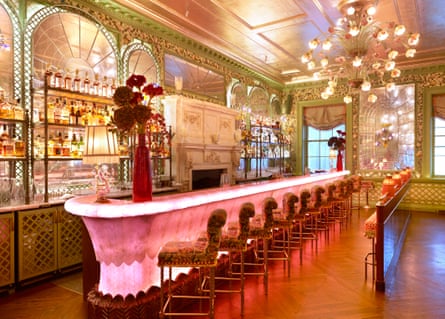
Annabel's operates as one of London's most exclusive and expensive private members clubs, catering to an elite clientele that includes celebrities, financial professionals, business executives, and members of the aristocracy. The venue has built its reputation on offering unparalleled luxury, discretion, and world-class service in its Mayfair location, one of London's most prestigious neighborhoods. The club's exclusivity is reflected in its pricing structure, with individual tables regularly generating revenue exceeding £10,000 per evening during peak dining periods.

The establishment's guest list reads like a who's who of contemporary celebrity and high society, featuring notable figures such as supermodel Kate Moss, musician Harry Styles, and historically even the late Queen, among countless other prominent individuals. This level of prestige and the caliber of clientele command premium pricing for both membership fees and dining experiences. The club's success has been built on maintaining an atmosphere of exclusivity while delivering consistently exceptional service standards that justify the elevated costs associated with membership and patronage.
According to current and former employees, the financial dynamics of a single evening at Annabel's fine dining can be staggering, with high-spending tables routinely ordering premium wines, champagne, and multiple courses that accumulate to extraordinarily expensive bills. The service charge structure, which typically ranges from 12-15% at luxury establishments, generates significant funds that are theoretically designated for distribution among the service staff who directly facilitate the dining experience. However, the recent incident reveals that management had been redirecting portions of these collected funds to finance bonuses for supervisory and managerial personnel rather than honoring the implied promise to staff members.
The practice of utilizing service charges for non-service staff compensation raises important questions about employment ethics and transparency in the luxury hospitality industry. Many hospitality workers operate under the expectation that service charges collected from customers represent direct compensation for their labor and should be distributed proportionally among those who provided the service. When substantial portions of these funds are diverted to management, it creates a breach of trust and fundamentally alters the economic arrangement that employees understood when accepting their positions.
Richard Caring's acknowledgment of the error and commitment to policy reform suggest that Annabel's management recognizes the problematic nature of the practice. The owner's willingness to characterize the situation publicly as a mistake, rather than attempting to defend the policy, indicates an understanding that the approach was indefensible from both ethical and public relations perspectives. The hospitality industry, particularly at the luxury end of the market, relies heavily on employee retention and satisfaction, as service quality depends directly on the expertise, professionalism, and dedication of staff members.
The incident has broader implications for how service charge distribution is managed across London's luxury hospitality sector. Many similar establishments likely operate under comparable policies, raising questions about whether this practice is more widespread than previously acknowledged. Staff advocates and hospitality workers' representatives have used this situation to highlight systemic issues in how service charges are handled in the industry, arguing for greater transparency and stricter regulations regarding their allocation and distribution.
Moving forward, Annabel's has committed to revising its compensation and bonus structure to ensure that service charges are appropriately distributed to the staff members who directly generate them through their labor. The specific details of the new policy have not yet been publicly disclosed, but the establishment has indicated that changes will be implemented to restore confidence among its workforce and ensure alignment with industry best practices. This commitment to policy reformation will be carefully monitored by both staff members and industry observers to determine whether the pledged changes are substantive and effectively address the underlying issues.
The controversy surrounding Annabel's serves as a case study in the importance of transparent communication and ethical practices in luxury hospitality operations. Employees across the sector will likely view how comprehensively Annabel's addresses this issue as a benchmark for evaluating their own employers' practices and commitments to fair compensation structures. The incident demonstrates that even establishments with sterling reputations and exclusive memberships must adhere to fundamental principles of fairness and transparency in their treatment of workers.
As London's luxury hospitality sector continues to evolve and face increased scrutiny regarding labor practices and employee welfare, incidents like this at Annabel's will likely prompt broader conversations about industry standards and expectations. The venue's status as one of the capital's most prestigious establishments means that its practices receive outsized attention and influence broader industry trends. Whether this incident catalyzes meaningful systemwide change in how service charges are managed across London's fine dining establishments remains to be seen, but it has certainly elevated the importance of this issue among hospitality workers and industry stakeholders.


