
Antiquities Dealer Who Exposed British Museum Thefts Dies

Dr. Ittai Gradel, the Danish antiquities dealer who uncovered hundreds of stolen artifacts from the British Museum, has died aged 61 from renal cancer.
The art world has lost a pivotal figure in exposing one of the British Museum's most significant scandals in recent history. Dr. Ittai Gradel, a prominent Danish antiquities dealer and academic, passed away at the age of 61 following a battle with renal cancer. His death came just days after the institution he so courageously exposed awarded him a prestigious medal recognizing his extraordinary contributions to cultural heritage preservation and institutional accountability.
Gradel's career trajectory from academic pursuits to antiquities dealing positioned him uniquely to recognize what others had overlooked for years. His keen eye for artifact authenticity and institutional provenance became instrumental in uncovering one of the most embarrassing chapters in the British Museum's long and storied history. The discovery that hundreds of priceless items had vanished from the museum's collections sent shockwaves through the international art community and raised serious questions about security, oversight, and institutional governance at one of the world's most prestigious cultural institutions.
The investigation began in an unlikely place: the online marketplace eBay. Over the course of several years, Gradel made a startling and deeply troubling discovery while browsing for items to acquire for his own collection and clients. He repeatedly encountered museum artifacts being sold on the popular auction platform, each piece bearing telltale signs that would link them directly back to the British Museum's collections. Rather than simply purchasing these items for profit, as many dealers might have done, Gradel recognized the profound implications of what he was witnessing and made the decision to take action.

What began as occasional suspicious listings grew into an alarming pattern that Gradel meticulously documented. He contacted the British Museum directly with his findings, presenting compelling evidence that stolen museum artifacts were being openly sold on commercial platforms. Simultaneously, he alerted law enforcement authorities, ensuring that the matter received proper investigative attention from the appropriate regulatory bodies. His decision to report these discoveries rather than exploit them for personal gain demonstrated exceptional ethical integrity in an industry where financial temptation often clouds judgment.
The British Museum theft scandal that Gradel exposed ultimately revealed that hundreds of items had gone missing from the institution's collections since at least 2013. The scope of the disappearances was far more extensive than initial assessments suggested, encompassing everything from ancient coins to precious gemstones and other invaluable historical artifacts. The discovery prompted immediate investigations, management changes, and a complete overhaul of the museum's security and cataloging systems. What had appeared to be a secure institution with centuries of tradition suddenly faced intense scrutiny over how such losses could have occurred undetected for so long.
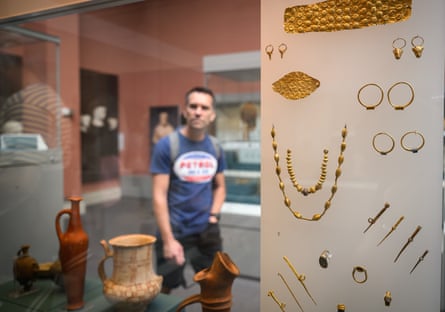
The investigation that followed Gradel's initial reports became increasingly complex as authorities worked to trace the movement of stolen artifacts through various networks. Some items had been purchased by unsuspecting collectors through online channels, while others had entered the international antiquities market through more illicit pathways. Gradel's meticulous documentation and insider knowledge of how stolen artifacts circulate through the collecting community proved invaluable to investigators seeking to recover missing pieces and understand how such systematic theft had been possible.
Recognition of Gradel's crucial role in exposing this institutional failure came relatively late, but the British Museum eventually acknowledged the profound significance of his contributions. In what became a bittersweet moment, the museum presented him with a medal honoring his "very significant contribution" to protecting cultural heritage and ensuring institutional accountability. The award recognized not just the specific thefts he exposed, but his broader impact on raising standards for how major museums handle security, provenance verification, and their responsibilities to the public trust that sustains these institutions.
Gradel's death from renal cancer represents an immeasurable loss to the international cultural heritage community. His unique combination of academic training and practical dealing experience had positioned him as someone who could recognize threats to cultural preservation that others might miss. The antiquities world has lost an ethical voice at a time when questions of provenance, security, and institutional responsibility continue to dominate discussions in museums worldwide.
The legacy of Ittai Gradel extends far beyond the specific thefts he exposed at the British Museum. His willingness to speak out against institutional failures, despite potential professional and financial consequences, set an example for others in the antiquities field. He demonstrated that one person, armed with knowledge, integrity, and determination, can hold even the most powerful cultural institutions accountable. The British Museum artifact recovery efforts that followed his disclosures continue to ripple through the international art world, influencing how museums manage collections and how law enforcement approaches cases of institutional theft.
In the weeks and months following his passing, the antiquities community continues to grapple with the implications of the scandal Gradel exposed. The incident prompted soul-searching within major museums about how security failures of such magnitude could occur undetected. Many institutions have since implemented more rigorous cataloging systems, enhanced security measures, and stricter oversight protocols for handling collections. The changes that have rippled through the museum world since 2023 can be traced, in no small measure, to the actions taken by one dedicated scholar who chose conscience over convenience when he discovered evidence of systematic theft.
The British Museum's decision to honor Gradel with a medal, even as he was battling the illness that would take his life, offered some measure of vindication for the difficult path he chose. His story serves as a reminder that institutional accountability depends on individuals willing to risk professional relationships and personal comfort to expose wrongdoing. As the international museum community continues to evolve in response to the challenges Gradel brought to light, his contributions to protecting cultural artifacts and maintaining the integrity of our shared heritage will be remembered long after the specific scandal fades from public memory.
Source: The Guardian


