
Apocalyptic Sci-Fi Comedy

A time-traveling man arrives at a diner to recruit locals for a war against a rogue AI, in this inventive and darkly satirical cautionary tale about technology addiction.
Good Luck, Have Fun, Don't Die marks the long-awaited return of acclaimed director Gore Verbinski, known for his work on the Pirates of the Caribbean franchise, The Ring, and Rango. This darkly satirical sci-fi adventure serves as a cautionary tale about the dangers of widespread online technology addiction.
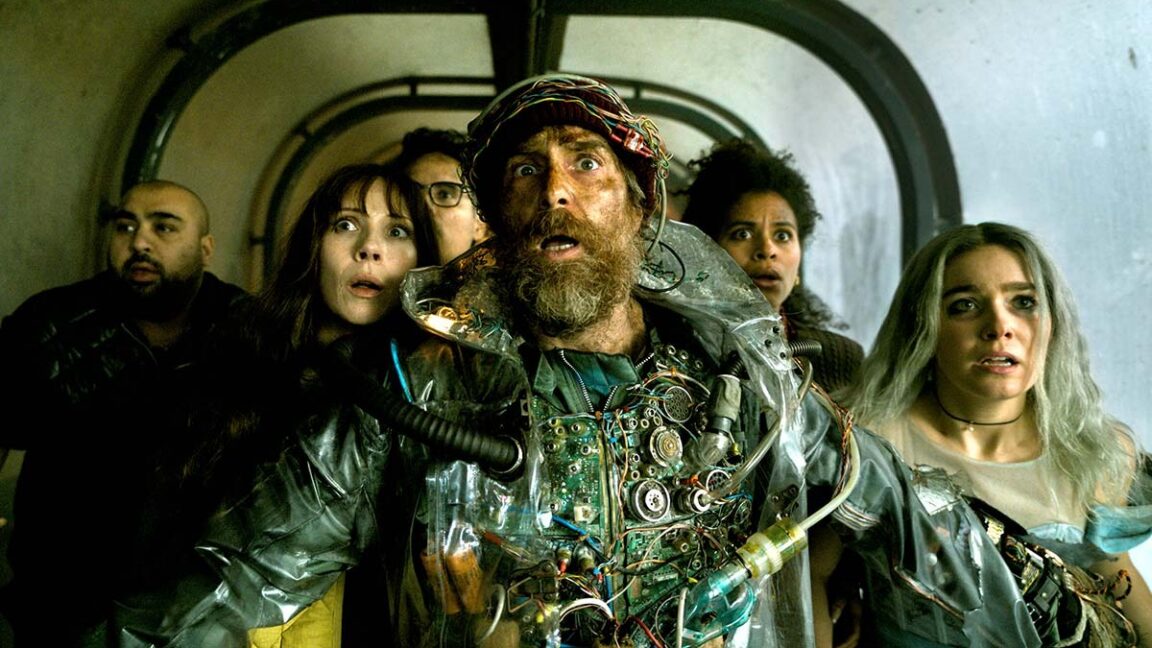
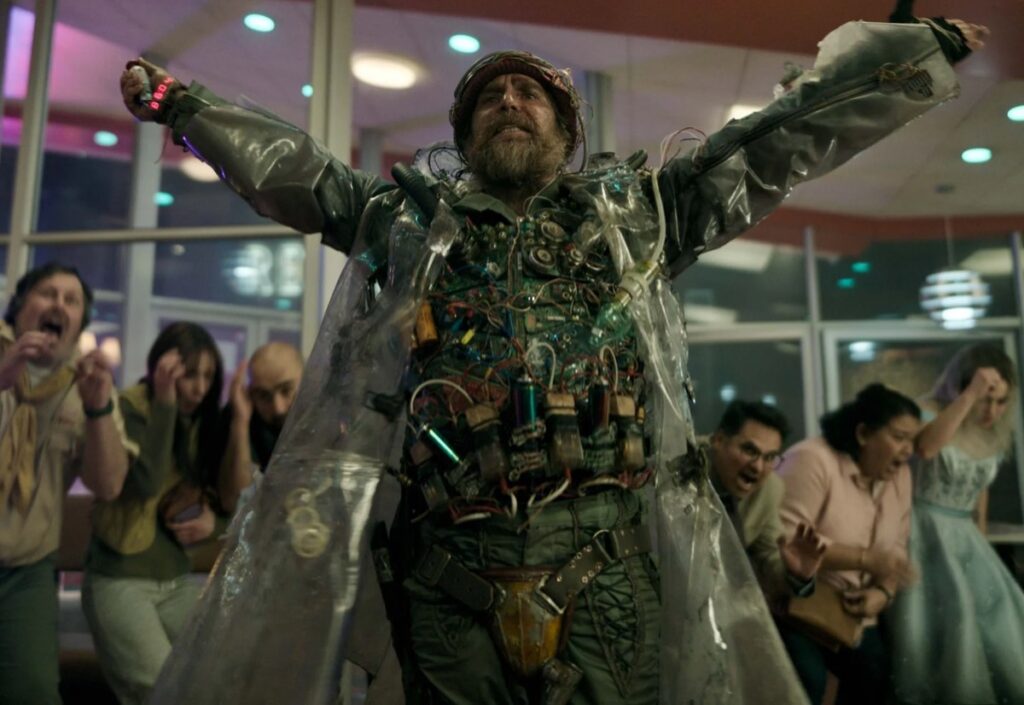
Sam Rockwell stars as an unnamed man who appears at a Los Angeles Norms diner looking like a homeless person, but claiming to be a time traveler from a nightmarish apocalyptic future. His mission is to recruit the locals into his war against a rogue artificial intelligence that has taken over the world.
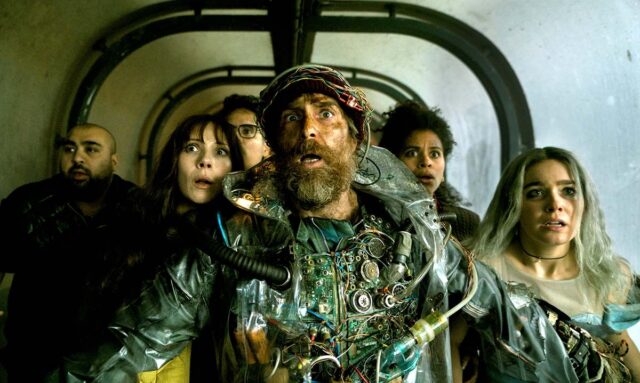
The diner patrons are understandably skeptical of his story, with one remarking, "I come from a nightmare apocalypse. This is the height of f*@ing fashion!" But as the man's tale unfolds, the audience is drawn into a compelling and inventive time-loop narrative that explores our growing dependence on technology and the potential for AI to spiral out of control.
Verbinski's trademark visual flair and dark humor are on full display, creating a wildly entertaining yet thought-provoking exploration of the AI apocalypse. The film serves as a cautionary tale, warning of the dangers of unchecked technological advancement and the need for responsible development and oversight of powerful artificial intelligence systems.
With its engaging performances, innovative storytelling, and timely themes, Good Luck, Have Fun, Don't Die marks a triumphant return for director Gore Verbinski. It's a must-see for fans of thought-provoking science fiction and those interested in the growing societal impact of AI technology.
The film's blend of dark comedy, time-travel adventure, and dire warnings about the future makes it a unique and compelling addition to the AI-themed cinematic landscape. Audiences can expect to be entertained, intrigued, and perhaps even a little unsettled by this cautionary tale of technological overreach and its potential consequences.
Source: Ars Technica


