
Apple Closes First Unionized US Store in Maryland

Apple faces backlash for shutting down its first unionized store in Towson, Maryland by June, with workers alleging union-busting tactics and retaliation.
In a controversial move that has ignited fierce backlash from labor advocates and workers, Apple has announced plans to close its Towson, Maryland location—the site of the company's first successful unionization effort in the United States. The closure, scheduled for June, has prompted the union to file formal charges alleging the decision represents a deliberate and calculated effort to dismantle worker organizing at the retail location. This development marks a significant escalation in the ongoing tensions between the tech giant and its workforce attempting to secure better working conditions and compensation.
Workers at the Towson store have become increasingly vocal about their concerns, describing the company's decision as deeply personal and emblematic of broader corporate resistance to unionization efforts. One worker characterized the situation as feeling like "a betrayal" from a company that many had believed would be more receptive to worker organizing compared to other major corporations. The emotional toll on employees extends beyond the immediate job loss, touching on questions of corporate accountability and the viability of worker-led organizing campaigns within large technology companies.
On Monday, representatives from the union formally filed an unfair labor practice charge against Apple with federal labor authorities, presenting detailed allegations of discriminatory treatment targeting unionized workers. According to the charge, employees at the unionized Towson location are being systematically denied transfer rights and other workplace protections that are routinely granted to workers at non-unionized stores throughout Apple's retail network. This alleged disparity in treatment forms the legal foundation for claims that the company is engaging in retaliatory conduct specifically because workers exercised their legal right to organize collectively.
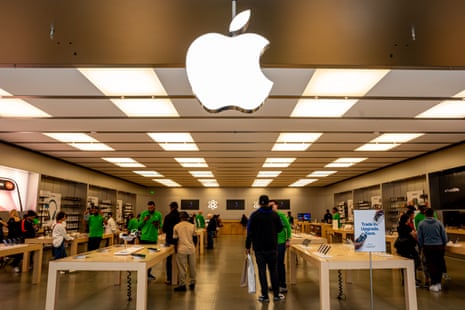
The Towson store holds significant symbolic importance within the labor movement, representing a watershed moment when workers at one of the world's most valuable companies successfully navigated the challenging process of union certification. The store's unionization was the culmination of months of organizing efforts by dedicated workers who faced considerable pressure from management during the campaign period. The initial success of the Towson unionization drive inspired similar organizing efforts at other Apple locations across the country, making this store's survival a matter of broader significance to the labor movement beyond Maryland's borders.
Apple's decision to close the store has been widely interpreted by labor analysts and union representatives as a strategic response designed to undermine the growing momentum behind Apple worker organizing initiatives. The company's stated reasons for the closure have not been made publicly clear in comprehensive detail, leaving workers and their representatives to interpret the decision within the context of Apple's well-documented opposition to unionization. Critics argue that the timing of the announcement—coming as unionization efforts continue at other Apple stores—reveals the underlying intention behind the closure decision.
The retaliation allegations filed with federal authorities represent a serious legal challenge to Apple's corporate practices, should investigators determine that the closure was undertaken in violation of the National Labor Relations Act. Under federal labor law, employers are prohibited from taking adverse action against workers specifically because they have engaged in protected union activity. The union argues that Apple's pattern of behavior—denying transfer opportunities, restricting benefits, and now closing the unionized store—constitutes a coordinated campaign to punish workers for their organizing efforts.
The broader context for this conflict involves Apple's significant expansion of its retail workforce and the corresponding growth of labor organizing efforts across the company's domestic operations. Over the past several years, workers at multiple Apple Store locations have initiated union campaigns, driven by concerns about wages, scheduling practices, and the gap between the company's public image and workers' day-to-day experiences. The company has consistently resisted these organizing efforts through various means, including mandatory anti-union meetings and aggressive management interventions during certification campaigns.
Employee testimonies paint a picture of workers struggling to maintain financial stability despite working for one of the world's most profitable corporations. Many retail employees report difficulty affording housing in their respective areas, forcing them to maintain multiple jobs or rely on family support despite full-time employment at Apple. The union organizing campaign at Towson emerged partially from these economic pressures, with workers seeking wage increases and better benefits that would reflect the company's enormous profitability and their own essential contributions to the business.
The closure decision also raises questions about Apple's broader retail strategy and corporate values regarding worker treatment. The company has consistently presented itself as a progressive employer and tech industry leader, positioning Apple as more enlightened than traditional corporations on labor matters. However, the Towson closure and related allegations of retaliation suggest a significant disconnect between Apple's public messaging about worker welfare and its actual practices when confronted with union organizing activity.
Federal labor authorities will now investigate the unfair labor practice charge to determine whether Apple violated workers' legal rights. The investigation process typically involves interviews with affected workers, review of company documentation, and examination of the company's stated justifications for the closure decision. If investigators find merit in the union's allegations, Apple could face penalties ranging from reinstatement of workers to paying back wages and damages to affected employees.
The situation at Towson represents a critical test case for the viability of union organizing in the technology sector, where worker movements have historically faced significant obstacles and corporate resistance. Labor advocates argue that Apple's apparent willingness to close a profitable store rather than negotiate with unionized workers sends a chilling message to workers considering organizing at other retailers and technology companies. This dynamic has prompted increased attention from national labor leaders and progressive politicians who view the Apple situation as emblematic of larger challenges facing worker organizing efforts in modern corporate America.
As the June closure date approaches, unionized workers at the Towson store continue to document their experiences and communicate with legal representatives preparing for potential litigation. The store's situation has attracted media attention and solidarity support from labor organizations nationwide, transforming what might otherwise be a routine store closure into a significant moment in the ongoing struggle for worker rights in the technology industry. Whether federal authorities ultimately determine that Apple engaged in unlawful retaliation remains to be seen, but the legal and public relations battle surrounding the Towson store's fate will likely influence future unionization efforts throughout the retail and technology sectors.
Source: The Guardian


