
Apple Faces $250M Settlement Over Delayed AI Siri

Apple agrees to pay $250 million in class action settlement for failing to deliver AI-powered Siri features on schedule. Details on the lawsuit and implications.
Apple has agreed to pay $250 million to settle a class action lawsuit stemming from the company's failure to deliver its promised artificial intelligence-powered Siri features within the originally announced timeframe. This significant financial settlement represents one of the largest payouts the tech giant has made related to product delays and unfulfilled promises to consumers.
The settlement emerged from legal proceedings initiated in California, where a class action lawsuit was filed against the technology company. The case centered on Apple's repeated delays in rolling out AI Siri capabilities that were initially previewed and promoted to the public. Consumers who purchased Apple devices during the relevant period became eligible members of the class action, having relied on Apple's representations about feature availability and timing.
Apple had made substantial marketing commitments regarding the integration of advanced artificial intelligence features into Siri, positioning these enhancements as transformative upgrades to the company's virtual assistant. However, the company faced significant delays in delivering these promised functionalities, pushing timelines back multiple times and frustrating consumers who had anticipated using these features on their newly purchased devices.
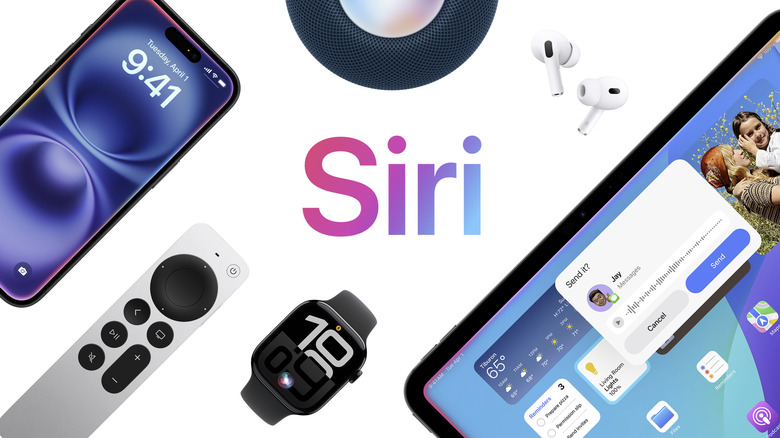
The class action settlement requires Apple to compensate affected users who purchased eligible devices during the period when the company made its original commitments about AI Siri release dates. This legal action highlights growing consumer expectations around product delivery timelines and the consequences companies face when failing to meet their publicly stated commitments.
The delay in AI Siri implementation reflected broader challenges Apple encountered in developing and integrating sophisticated artificial intelligence capabilities into its ecosystem. The company's engineering teams faced technical hurdles in creating a virtual assistant that could meet Apple's standards for privacy, accuracy, and seamless device integration. These complications ultimately extended development timelines beyond what Apple had initially promised to shareholders and consumers.
This settlement carries significant implications for the technology industry regarding corporate accountability and consumer protection. The $250 million payout signals that major tech companies can face substantial financial consequences when they fail to deliver on publicly announced product timelines and feature rollouts. It underscores the importance of managing consumer expectations and being cautious about making specific commitments regarding future technology availability.
California's legal environment has proven particularly demanding for technology companies, with state courts and juries often siding with consumer complaints about unfulfilled promises and delayed implementations. The state's consumer protection laws have become increasingly robust tools for holding major corporations accountable. Apple's settlement in this case aligns with similar cases brought against other tech giants regarding product availability and feature delivery delays.
The broader context of this settlement reflects how artificial intelligence development has become a crucial competitive battleground for major technology companies. Apple, alongside competitors like Google, Microsoft, and Amazon, has invested heavily in AI capabilities as these technologies become increasingly central to consumer device functionality. However, the rapid pace of AI innovation sometimes conflicts with the realistic timeline needed to properly develop, test, and deploy these complex systems at scale.
Apple's handling of the Siri delay provides important lessons for how companies should communicate about future technological capabilities. Industry observers note that while innovation timelines are often unpredictable, providing consumers with realistic expectations and honest communication about delays can help minimize legal exposure and maintain customer trust. The settlement amount suggests that California courts and juries view failures in this area as serious matters warranting substantial financial penalties.
The impact on Apple's bottom line, while significant at $250 million, represents a relatively modest percentage of the company's annual revenue and cash reserves. However, the reputational implications of the settlement extend beyond the financial penalty. The public acknowledgment of missed commitments and delayed features can affect consumer perception of Apple's reliability and the trustworthiness of future product announcements.
Going forward, Apple and other technology companies will likely adopt more conservative communication strategies when announcing artificial intelligence features. Rather than establishing specific release dates that may prove difficult to meet, companies may employ more cautious language about feature availability, providing wider windows for delivery and reserving the right to adjust timelines as development progresses. This shift in corporate communication reflects lessons learned from litigation like the Siri case.
The settlement also raises questions about whether similar delays and unfulfilled promises in the technology sector might prompt additional litigation. As consumers become increasingly aware of their legal rights and class action opportunities, other companies may face comparable challenges. The tech industry may see a broader wave of consumer litigation focused on holding companies accountable for product announcements that don't materialize within promised timeframes.
For Apple users who were affected by the Siri delay, the settlement provides financial compensation for the disappointment of not receiving promised features when they expected them. The eligibility criteria and payout distribution mechanisms will be determined through the settlement administration process. Affected consumers can typically claim compensation through a straightforward process without requiring additional legal representation.
As AI technology continues to evolve and become more central to consumer devices, the standards for feature delivery and timeline accuracy will likely become more stringent. This settlement serves as a reminder that in an increasingly competitive and legally sophisticated marketplace, technology companies must carefully balance their ambitions with realistic development timelines and honest communication with consumers about what they can expect and when they can expect it.
Source: Engadget


