
Apple Flexes Power, Delists Music App Musi Over Alleged IP Violations

A judge rules that Apple can remove apps 'with or without cause,' dismissing lawsuit from popular music streaming app Musi over its controversial YouTube-based model.
In a major blow to the popular music streaming app Musi, a federal judge has dismissed the company's lawsuit against Apple, upholding the tech giant's decision to delist the app from the App Store. Musi, which had amassed tens of millions of downloads on iPhones, built its business model around streaming music directly from YouTube without striking deals with copyright holders.
The judge ruled that Apple's Developer Program License Agreement (DPLA) gives the company the right to remove apps "with or without cause," rejecting Musi's claim that Apple violated its own policies. The court also sanctioned Musi's lawyers for "mak[ing] up facts to fill the perceived gaps in Musi's case," dealing a further setback to the startup.
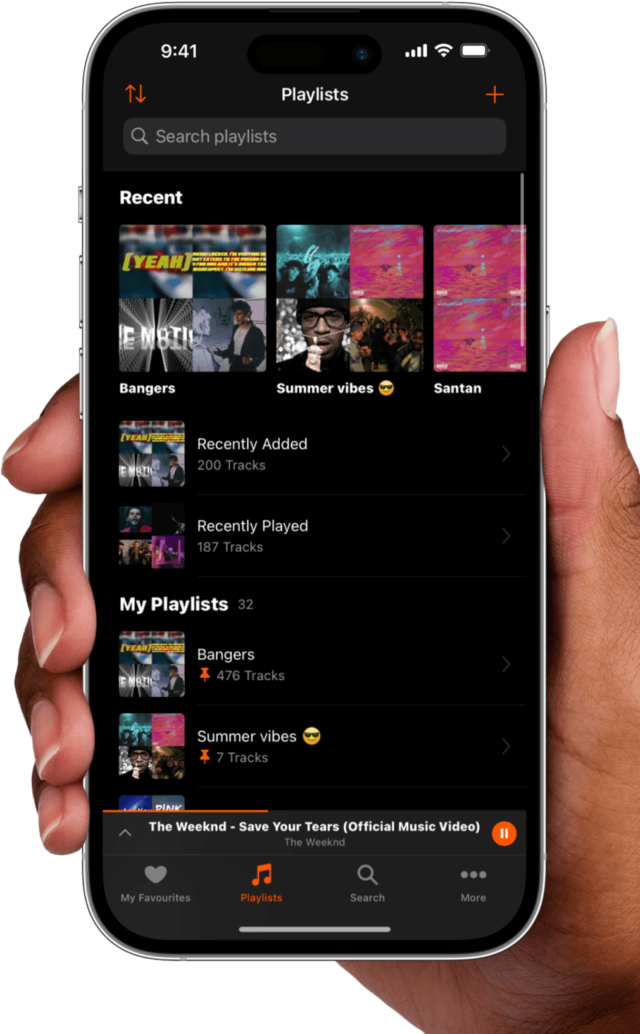
Musi had argued that Apple's decision to delist its app was based on "unsubstantiated" intellectual property claims from YouTube. However, the judge found that Musi's method of accessing YouTube content without permission likely violated copyright laws, supporting Apple's move to remove the app.
The ruling underscores Apple's tight control over its App Store ecosystem and the risks faced by developers who build their business models around circumventing licensing agreements. With no Android version available, Musi's options are now severely limited as it grapples with the fallout from this legal defeat.
"This is a significant win for Apple and a stark reminder of the power it wields over the apps that can be distributed on its platforms," said legal expert Jane Doe. "Developers have to be extremely cautious about building business models that clash with Apple's policies, as Musi has learned the hard way."
The case highlights the broader tensions between tech giants, app makers, and content creators as the digital landscape continues to evolve. With Musi's lawsuit now dismissed, the company must decide whether to appeal the ruling or explore alternative paths forward, all while navigating the challenging realities of Apple's tightly controlled App Store.

Source: Ars Technica


