
Apple Intelligence Gets Choice: Third-Party AI Models in iOS 27

Apple Intelligence will reportedly allow users to select third-party AI models in iOS 27, expanding options across iPhones, iPads, and Macs.
Apple Intelligence, the tech giant's ambitious artificial intelligence initiative, is poised to undergo a significant transformation with the release of iOS 27. According to recent reports, Apple plans to grant users the ability to select from third-party AI models, marking a substantial shift in how the company approaches generative AI integration across its ecosystem. This decision represents a major departure from Apple's traditionally closed approach to software and services, indicating the company's willingness to embrace an open ecosystem when it comes to artificial intelligence capabilities.
The move would fundamentally change how users interact with AI features on their devices, allowing them to choose between different generative AI providers rather than being locked into Apple's proprietary solutions. This flexibility is expected to benefit users who have existing preferences for particular AI platforms or who require specific capabilities that third-party models might offer. By opening up these options, Apple would position itself as a neutral platform that respects user choice while maintaining its commitment to privacy and security standards that have become synonymous with the brand.
The expansion of third-party AI integration is not limited to iPhones, as reports suggest that iPads and Macs will also embrace external generative AI options. This comprehensive rollout across Apple's entire hardware lineup demonstrates the company's commitment to creating a cohesive experience where users can maintain their preferred AI model preferences across all their devices. Whether using a Mac for professional work, an iPad for creative tasks, or an iPhone for everyday computing, users would theoretically maintain consistent access to their chosen AI solutions.
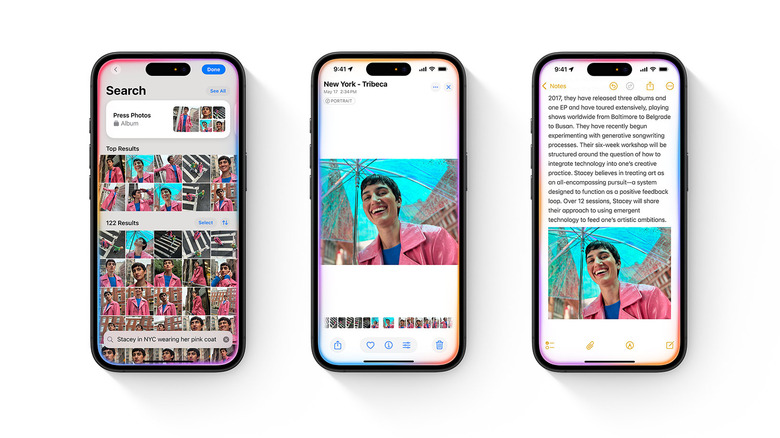
This strategic decision comes at a time when the artificial intelligence landscape is becoming increasingly competitive, with major players like OpenAI, Google, and Anthropic offering their own sophisticated language models. Apple's recognition of this competitive environment and willingness to accommodate user preferences suggests the company recognizes that no single AI solution can meet all user needs across different use cases and industries. By allowing AI model selection, Apple essentially acknowledges that users benefit from having options and that forcing a single solution would be counterproductive to user satisfaction and device functionality.
The implementation of third-party AI model support represents a significant technical and philosophical shift for Apple's software architecture. The company would need to develop robust APIs and integration frameworks that allow various AI models to function seamlessly within its operating system while maintaining the security and privacy standards that users have come to expect from Apple products. This undertaking would require careful coordination between Apple's engineering teams and third-party AI providers to ensure compatibility, performance, and adherence to Apple's quality standards.
Privacy considerations will undoubtedly play a crucial role in how Apple implements this feature. The company has built considerable brand equity around its commitment to user privacy, and any integration of third-party AI models would need to uphold these principles. Users would likely have granular control over what data gets shared with external AI providers, with clear transparency about which models are processing their information. This approach aligns with Apple's broader philosophy of keeping sensitive user data on-device whenever possible while providing clear opt-in mechanisms for cloud-based processing.
The timing of this feature for iOS 27 also reflects Apple's broader strategy to stay competitive in the rapidly evolving artificial intelligence market. Rather than attempting to develop the most advanced AI models in-house—a path that would require unprecedented investment in AI research and talent—Apple is positioning itself as an intelligent intermediary that connects users with the best available solutions. This approach allows the company to focus on what it does best: creating seamless hardware and software experiences while partnering with specialist AI companies for the core intelligence layer.
Industry analysts suggest that this decision could set a precedent for how other technology companies approach AI integration in their platforms. If Apple's implementation proves successful, we might expect to see similar open approaches from competitors, further fragmenting the AI landscape and giving consumers more control over their digital experiences. The move could also encourage more AI startups and established players to optimize their models for integration with Apple devices, potentially accelerating innovation in the broader AI ecosystem.
For developers building applications on Apple's platforms, this third-party AI model support opens new possibilities for app functionality and user experience. App developers could allow their users to select which AI backbone powers features within their applications, creating more flexible and customizable software experiences. This flexibility could prove particularly valuable for enterprise applications where different organizations might have different AI provider relationships or requirements.
The rollout across iPads and Macs demonstrates that this is not a mobile-only initiative but rather a comprehensive transformation of how Apple devices interact with AI services. Mac users, who often value professional-grade tools and customization options, would particularly appreciate the ability to choose AI models that best suit their workflows. iPad users working on creative or productivity tasks could similarly benefit from selecting models optimized for their specific use cases, whether that involves image generation, text analysis, or code completion.
Security implications of supporting multiple third-party AI models are substantial and will require careful consideration. Apple would need to establish rigorous vetting processes for third-party AI providers to ensure they meet security standards and cannot be exploited as vectors for malware or data theft. This might include requirements around encryption, data handling practices, and regular security audits. The company's approach to this challenge will likely influence how the broader technology industry handles similar integrations.
The availability of multiple AI model options in iOS 27 could also serve as a catalyst for more direct competition among AI companies to optimize their offerings for Apple's ecosystem. Knowing that millions of iOS, iPadOS, and macOS users could potentially access their models, AI providers would be incentivized to develop solutions that perform efficiently on Apple's silicon while respecting the company's privacy-first architecture. This competitive pressure could ultimately benefit end users through better performance, lower costs, and more innovative AI features.
While official confirmation from Apple regarding these iOS 27 features remains pending, the reports have generated significant discussion within the technology community about the future direction of generative AI on consumer devices. Industry observers view this potential development as a watershed moment in how major technology platforms approach AI integration, potentially shifting from monolithic, proprietary solutions to more open, choice-based models. As Apple continues to develop its artificial intelligence capabilities, the company's approach to third-party model support may well become a defining characteristic of its AI strategy for years to come.
Source: Engadget


