
Apple Settles $250M iPhone AI Features Lawsuit

Apple agrees to pay $250 million to iPhone buyers over misleading Apple Intelligence advertising claims. Learn about the settlement details.
Apple has reached a significant settlement agreement requiring the company to pay $250 million to compensate iPhone purchasers who were misled by the company's marketing of its Apple Intelligence features. The landmark settlement resolves legal claims that emerged throughout the previous year, addressing concerns that Apple's promotional materials and advertising campaigns overstated the capabilities and availability of the artificial intelligence functionalities integrated into its flagship iPhone devices.
The lawsuit centered on allegations that Apple's marketing tactics deceived consumers regarding what Apple Intelligence could actually deliver when they purchased their iPhones. Buyers claimed they were misled about the features' real-world performance, functionality scope, and implementation timeline. The legal action gained momentum as more consumers discovered that the promised AI capabilities either didn't work as advertised or weren't available on their devices despite Apple's promotional claims suggesting otherwise.
This settlement represents a notable moment in the technology industry, where artificial intelligence marketing has become increasingly contentious. Companies promoting AI features face heightened scrutiny from regulatory bodies and consumer advocacy groups who demand transparency about what these technologies can and cannot do. The agreement underscores the importance of honest advertising practices in an era where AI-driven features are becoming central selling points for consumer electronics.
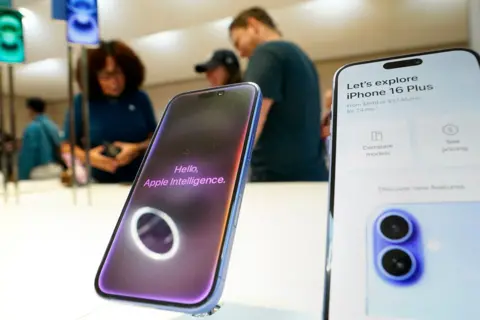
The consumer protection lawsuit was filed by iPhone buyers who felt their purchasing decisions were influenced by Apple's exaggerated claims about the AI integration. Legal representatives argued that Apple had engaged in deceptive marketing practices by highlighting AI capabilities in their advertising without adequately disclosing limitations, hardware requirements, or phased rollout schedules. The company's promotional materials allegedly gave consumers the impression that all advertised features would be immediately available upon purchase.
Apple's agreement to the settlement, while not constituting an admission of wrongdoing, signals the company's preference to resolve the matter expeditiously rather than engage in prolonged litigation. The $250 million payout demonstrates the scale of consumer dissatisfaction and the financial implications of misleading technology marketing. This amount reflects both the number of affected consumers and the degree to which regulators and courts view deceptive AI marketing as a serious consumer protection issue.
The settlement process will involve identifying eligible iPhone buyers who can prove they purchased devices influenced by Apple's Apple Intelligence advertising. Compensation mechanisms are being established to distribute the settlement funds fairly among claimants, with the exact payment amounts likely varying based on individual circumstances and the nature of their complaints about the misleading marketing.

This development arrives amid broader regulatory scrutiny of how technology companies market AI capabilities to consumers. Regulatory agencies worldwide have become increasingly vigilant about monitoring advertisements for artificial intelligence features, ensuring that companies provide accurate, substantiated claims about what their products can deliver. The settlement may establish a precedent for how other tech firms approach AI marketing practices and disclosure requirements.
Industry analysts note that the settlement could have ripple effects across the technology sector. Competitors like Google, Microsoft, and Samsung, who are also heavily marketing their own AI features, may need to reconsider their advertising strategies to ensure compliance with consumer protection standards. The legal outcome emphasizes that AI feature transparency is no longer optional for major technology companies but rather a critical component of their marketing obligations.
The case also highlights the challenges consumers face when evaluating sophisticated technology products. With artificial intelligence becoming increasingly complex and its capabilities varying significantly across different contexts and devices, consumers struggle to make informed purchasing decisions based on marketing materials alone. This settlement represents an important validation of consumer complaints and recognition that clearer, more honest marketing practices are essential.
Apple's commitment to resolve this matter reflects the company's broader approach to managing legal and regulatory challenges. Rather than fight protracted battles that could damage its reputation further, Apple chose to compensate affected customers. This strategy allows the company to move forward and refocus attention on legitimate product improvements and genuine advancement of its artificial intelligence capabilities.
Going forward, Apple will likely implement stricter guidelines for how its marketing teams describe and promote AI features across all advertising channels. The settlement serves as a valuable learning experience for the company and potentially influences how it approaches future product launches involving advanced technologies. Enhanced disclosure practices and more conservative marketing claims about AI capabilities may become standard practice across Apple's promotional materials.
Consumer advocacy groups have praised the settlement as an important victory for transparency in technology marketing. These organizations continue to monitor industry practices and advocate for stronger regulations that require companies to substantiate claims about artificial intelligence features before promoting them to consumers. The $250 million settlement represents validation of their efforts to hold technology companies accountable for truthful advertising.
The broader implications of this settlement extend beyond Apple itself. Technology companies across the industry are likely to reevaluate their AI marketing strategies and ensure all claims are thoroughly substantiated before public release. Legal teams at major tech firms are probably reviewing existing and proposed marketing materials to identify potential liability and ensure compliance with evolving consumer protection standards regarding artificial intelligence features.
As artificial intelligence continues to become more integrated into consumer devices and services, the importance of accurate, honest marketing will only increase. This settlement demonstrates that regulators, courts, and consumers will not tolerate misleading claims about AI capabilities. Companies that fail to meet these heightened standards for transparency and truthfulness risk facing similar legal challenges and financial penalties. The resolution of Apple's lawsuit establishes important precedents for how the technology industry should communicate about artificial intelligence features to consumers moving forward.
Source: BBC News


