
Apple Supports Google Against EU's Android AI Mandate

Apple sides with Google over EU's directive to open Android to competing AI platforms, citing privacy and security concerns for European consumers.
In a significant show of solidarity with its rival technology giant, Apple has publicly backed Google in response to a controversial European Union directive requiring the Android operating system to integrate competing artificial intelligence services. The move highlights growing concerns among tech industry leaders about how regulatory mandates might inadvertently compromise user privacy and security across the continent.
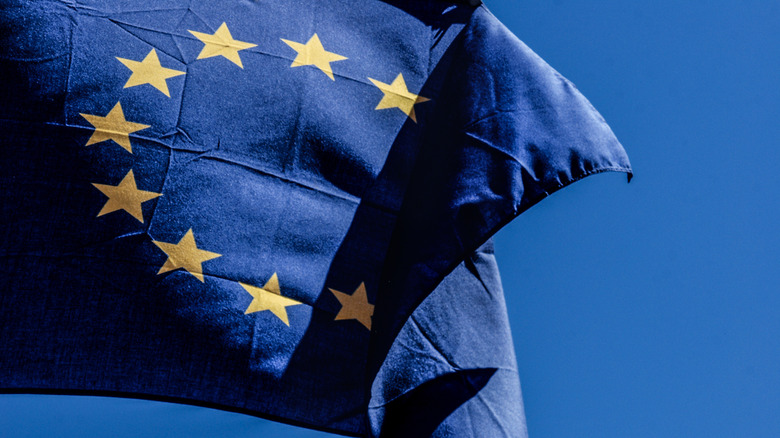
The EU's Android AI ruling represents one of the most aggressive regulatory interventions targeting mobile operating systems in recent years. European regulators determined that Google's dominant position in the mobile market created unfair advantages for its own AI services, prompting them to mandate interoperability with third-party artificial intelligence providers. This decision emerged from the EU's broader Digital Markets Act, which aims to ensure fair competition among major technology platforms.
Apple's decision to publicly support Google's position carries particular weight given the historical competitive relationship between these two technology powerhouses. The company has traditionally maintained a cautious stance on regulatory matters, preferring to navigate policy changes through private channels. However, the privacy implications of this directive appear to have motivated Apple to take a more visible stance in the technology industry's ongoing debate with European regulators.
According to Apple's official position, the forced integration of external AI systems into Android poses substantive risks to the personal data and security protections that European users currently enjoy. The company argues that user privacy protection should remain the paramount concern when developing new regulatory frameworks for technology platforms. Apple emphasized that properly securing artificial intelligence systems requires comprehensive end-to-end encryption and strict data governance protocols that become increasingly difficult to maintain when multiple third-party providers access user information.
The privacy argument advanced by both Apple and Google reflects a fundamental tension in technology regulation. Regulators seeking to promote competition and innovation must balance those goals against the legitimate need to protect consumer data. The EU's requirement for interoperability essentially mandates that Google's secure ecosystem share access with competing AI services, potentially creating multiple entry points for data access and increasing the overall security attack surface.
Google's Android security architecture currently operates as a relatively closed ecosystem where the company can thoroughly vet third-party applications before they access sensitive user information. The regulatory mandate would fundamentally alter this model, requiring Google to enable direct integration of competing AI platforms that the company may have less control over. This technical reality forms the core of both Apple's and Google's objections to the EU directive.
Industry analysts have noted that Apple's public support provides Google with valuable credibility in ongoing discussions with European regulators. When competitors acknowledge legitimate safety concerns, rather than dismissing them as mere corporate protectionism, policymakers face increased pressure to reconsider the practical implications of their directives. Apple's intervention suggests that these privacy concerns transcend individual company interests and reflect genuine technical challenges in the industry.
The timing of Apple's statement comes as Google prepares to formally respond to the EU's directive with specific implementation proposals. The tech company has indicated that it intends to comply with the regulation while proposing alternative technical approaches that might achieve the EU's competition goals while minimizing privacy risks. Apple's public backing provides crucial support for Google's position that the current directive, as written, may require modification to address legitimate security concerns.
European regulators, for their part, have indicated willingness to work with technology companies on implementation details. The EU's competition authorities recognize that effective regulation requires cooperation with the industry rather than purely adversarial approaches. Both Apple and Google's advocacy suggests that negotiations may produce revised standards that better balance competition promotion with privacy protection.
The broader implications of this regulatory dispute extend far beyond the immediate question of Android AI integration. The EU's approach is establishing precedents for how governments worldwide will manage large technology platforms. Regulators in the United States, United Kingdom, and other regions closely monitor European decisions, often adopting similar frameworks for their own jurisdictions. Apple's decision to engage publicly signals confidence that privacy-based arguments will resonate with policymakers across multiple regulatory environments.
Technology companies face an unprecedented regulatory landscape where traditional competitive relationships increasingly give way to industry-wide alliances on policy matters. AI regulation in Europe has become sufficiently complex and consequential that even fierce competitors recognize shared interests in shaping how governments approach oversight. Apple and Google's alignment on this issue demonstrates that companies can find common ground when fundamental business model risks emerge from regulatory action.
Going forward, the resolution of this dispute will likely establish important precedents for how artificial intelligence services integration proceeds across European mobile platforms. Whether European regulators ultimately modify their directive or maintain current requirements will determine whether other technology companies follow Apple's example in publicly supporting their competitors, or whether competitive pressures resume once immediate regulatory threats diminish.
The convergence of Apple and Google's positions on privacy and security represents a significant moment in technology industry regulation. This rare public alignment between major competitors underscores the genuine technical and security challenges that arise when regulatory mandates require forced interoperability among platforms. As artificial intelligence becomes increasingly central to mobile operating systems, the decisions European regulators make today will shape how AI services integrate with smartphones for years to come.
Source: Engadget


