
Apple Vision Pro Eye Control: Revolutionary Wheelchair Navigation

Apple introduces groundbreaking accessibility features for Vision Pro, enabling users to control wheelchairs using eye tracking technology and AI-powered voice commands.
Apple's latest accessibility innovations are set to transform the lives of individuals with mobility challenges, introducing cutting-edge features that leverage advanced eye-tracking technology and artificial intelligence. The tech giant has unveiled a comprehensive suite of accessibility enhancements designed specifically for the Vision Pro headset, fundamentally changing how users interact with their environment. These groundbreaking developments represent a significant step forward in making technology more inclusive and accessible to everyone, regardless of physical limitations or disabilities.
The centerpiece of these new features is the remarkable ability for Vision Pro users to control wheelchairs using only their eyes. This hands-free navigation system utilizes the device's sophisticated eye-tracking sensors to detect and interpret the user's gaze direction, translating eye movements into precise wheelchair commands. The technology works seamlessly in real-time, allowing users to navigate their surroundings with intuitive eye gestures that feel natural and require minimal learning curve. This breakthrough particularly benefits individuals with limited hand mobility or those who lack the physical capability to operate traditional wheelchair controls.
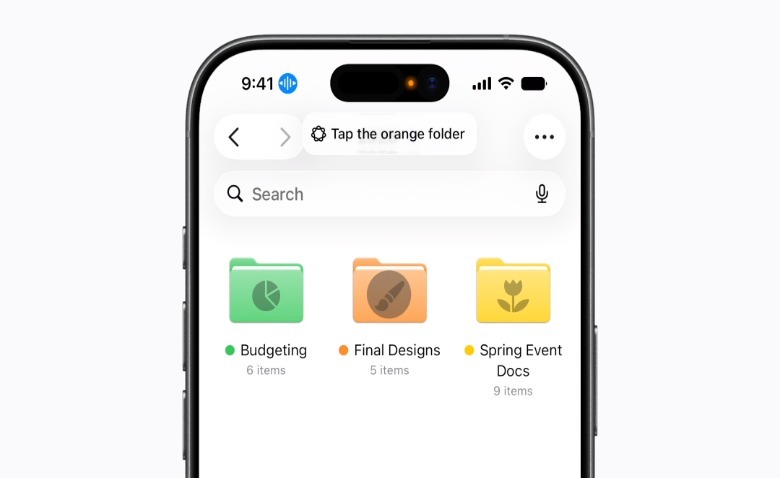
Beyond wheelchair control, Apple has integrated Apple Intelligence-powered natural language voice input as a core component of the accessibility framework. This advanced AI system understands conversational speech patterns, enabling users to issue commands using everyday language rather than memorizing specific voice commands or technical jargon. The natural language processing capabilities allow for context-aware interactions, where the system comprehends complex requests and follows multi-step instructions with remarkable accuracy.
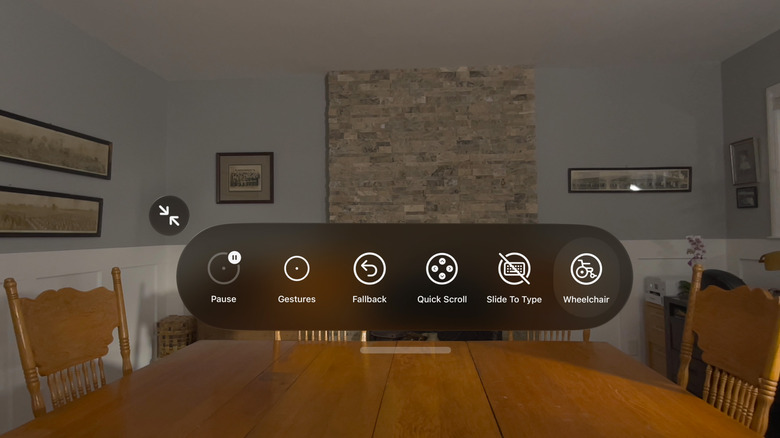
The eye-tracking technology embedded within the Vision Pro represents years of research and development in spatial computing and biometric sensors. Apple's engineers have fine-tuned the system to recognize subtle eye movements, blinks, and gaze patterns while filtering out involuntary eye movements that could cause unintended commands. The precision of this technology is particularly impressive given the dynamic nature of the wearer's environment and the need for the system to function reliably across various lighting conditions and user head positions.
Integration with accessibility features for Vision Pro extends beyond wheelchair control to encompass a broader ecosystem of assistive technologies. Users can control other smart home devices, navigate digital interfaces, and interact with applications using their eyes as the primary input method. The system works in conjunction with voice commands, creating a multimodal interface that provides maximum flexibility and redundancy, ensuring that users always have alternative input methods available.
Apple's commitment to accessibility has been evident for decades, but these new features represent a quantum leap in assistive technology capability. The company has consulted extensively with disability advocates, occupational therapists, and individuals with mobility challenges to ensure that the features address real-world needs and use cases. This collaborative approach has resulted in solutions that are not just technically impressive but also genuinely practical and life-changing for end users.
The wheelchair control feature works through a sophisticated mapping system that translates eye gaze coordinates into directional commands. When a user looks toward the left side of their visual field, the wheelchair receives a left-turn command; looking right produces a right-turn command, while forward and backward movements are controlled through vertical gaze positioning. This intuitive mapping mimics natural human navigation instincts, making the learning process straightforward even for users unfamiliar with eye-tracking technology.
The system includes safety features designed to prevent accidental movements and ensure user security. Advanced algorithms distinguish between intentional navigation commands and casual eye movements, incorporating a confirmation mechanism that requires sustained gaze or a blink pattern to execute commands. These safeguards are essential for ensuring that users maintain full control over their wheelchair's movement and can safely navigate busy environments or challenging terrain without unexpected behavior from the device.
Battery life and performance optimization have been carefully considered in the design of these accessibility features. The eye-tracking system operates with minimal power overhead, leveraging the Vision Pro's existing sensors and computational capabilities rather than requiring additional hardware. This efficient design ensures that users can enjoy extended periods of wheelchair control without depleting the headset's battery, enabling all-day accessibility without constant charging interruptions.

Natural language voice commands complement the eye-control functionality, providing users with multiple ways to interact with their environment. Rather than requiring specific voice command syntax, users can speak naturally, as if conversing with another person. The AI system understands variations in phrasing, accents, and conversational styles, making voice control accessible to a broader user population including those who might struggle with precise command syntax.
The development of these features required significant investment in machine learning and artificial intelligence research. Apple's teams trained neural networks on thousands of hours of accessibility data, user feedback, and real-world interaction scenarios. This extensive training ensures that the system performs reliably across diverse user populations with different speech patterns, mobility limitations, and environmental contexts.
Looking forward, Apple's accessibility innovation roadmap continues to expand with additional features planned for future Vision Pro releases. The company is actively researching applications of eye-tracking technology for communication assistance, cognitive support, and enhanced environmental awareness. These ongoing efforts demonstrate Apple's genuine commitment to ensuring that cutting-edge technology benefits users across the full spectrum of human capability and disability.
The introduction of these accessibility features has implications that extend far beyond individual benefit, influencing industry standards and expectations for inclusive technology design. Competitors and manufacturers across the technology sector are likely to invest more heavily in accessibility research and development, recognizing that inclusive design creates better products for everyone. This ripple effect from Apple's innovations could accelerate accessibility progress across the entire tech industry.
For individuals with mobility challenges, the availability of Vision Pro wheelchair control represents genuine independence and autonomy. The ability to navigate one's environment using only eye movements eliminates barriers that have historically restricted participation in daily activities, employment opportunities, and social engagement. This technology has the potential to meaningfully improve quality of life for millions of individuals worldwide who rely on mobility assistance devices.
Apple continues to position accessibility not as an afterthought or niche feature, but as a core design principle integrated throughout its product ecosystem. These new Vision Pro accessibility capabilities exemplify this philosophy, demonstrating that cutting-edge technology and inclusive design are not mutually exclusive but rather complementary goals that lead to better products for everyone.
Source: Engadget


