
Argentina Investigates Hantavirus Outbreak on Cruise Ship

Argentina races to trace the source of a deadly hantavirus outbreak aboard the MV Hondius cruise ship as passengers scatter globally.
Argentina, where the MV Hondius cruise ship departed for its Antarctic expedition, has emerged as a focal point in an urgent international health investigation. Officials and health experts throughout the country are working at an accelerated pace to determine whether Argentina served as the origin point for a deadly hantavirus outbreak that has infected passengers aboard the Atlantic-bound vessel. The situation has grown increasingly complex as reports confirm that numerous passengers have already dispersed to their home countries, potentially spreading the virus across international borders and complicating containment efforts.
The World Health Organization (WHO) has consistently documented that Argentina maintains the highest incidence of hantavirus among all nations in the Latin American region. This epidemiological reality positions the country as a prime suspect in the outbreak investigation, even as authorities work to identify the exact source of contamination. The rodent-borne disease is known for its severity and the challenges it presents to public health officials tasked with tracing its origins and preventing further transmission.
The MV Hondius, a cruise vessel specifically designed for polar expeditions, embarked on what was intended to be a routine Antarctic journey before the outbreak became evident among its passenger manifest. As health officials grapple with the investigation, the reality that infected passengers have already distributed themselves across multiple countries underscores the global health implications of maritime disease transmission. Contact tracing efforts have become significantly more complex, requiring coordination between Argentina's health ministry and international health authorities in nations where passengers have returned.

Argentine investigators are implementing comprehensive contact tracing protocols designed to reconstruct the timeline of contamination and identify which passengers, crew members, or environmental factors may have introduced the virus to the vessel. The process involves reviewing passenger manifests, tracking movements before and during the voyage, and examining the ship's environmental conditions that may have facilitated rodent infestation or contamination. This methodical approach is essential not only for understanding how the outbreak occurred but also for preventing similar incidents in the future.
The hantavirus outbreak has raised significant concerns about maritime health standards and the adequacy of screening procedures for passengers embarking on international cruises. Cruise ships, despite their modern amenities and international passenger compositions, remain vulnerable to disease transmission due to their closed environmental systems and high population density. The MV Hondius incident serves as a stark reminder of the potential for infectious disease spread in these settings, particularly when dealing with viruses that may be present in food supplies or environmental contamination originating from departure ports.
International health authorities have been notified of the situation and are coordinating with Argentina to establish a unified response strategy. The hantavirus disease has a concerning fatality rate and limited treatment options, making prevention and early detection paramount. Countries receiving returned passengers are implementing their own screening and monitoring protocols to identify any additional cases and prevent community transmission. This international cooperation reflects the reality that modern disease outbreaks respect no borders and require coordinated multinational responses.
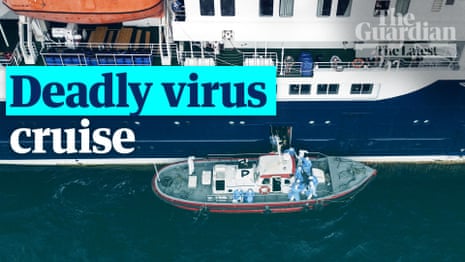
Argentina's health infrastructure and epidemiological experience with hantavirus position the country as a critical player in this investigation. The nation has established various programs and monitoring systems specifically designed to track and manage cases of this disease. However, the discovery of an outbreak aboard an international cruise ship presents new challenges that extend beyond traditional public health surveillance mechanisms. The investigation demands a sophisticated understanding of both the disease's natural history and the unique circumstances of maritime transmission.
The timing of the outbreak and its connection to Antarctica-bound travel is particularly significant given the region's ecological characteristics and rodent populations. Antarctic expeditions often involve stops at multiple ports and environmental exposures that could facilitate contamination. Understanding how the virus made its way onto the vessel requires detailed examination of food sourcing, port activities, and passenger movements during pre-cruise periods. Each of these factors could potentially illuminate the contamination pathway.
As news of the outbreak spreads, it raises broader questions about cruise ship safety and disease prevention in the travel industry. Many passengers may be unaware of the hantavirus risks associated with Antarctic expeditions or their departure ports. The incident underscores the importance of transparent communication between cruise operators, health authorities, and passengers regarding potential disease exposures. Future travelers will likely demand more robust health screening and environmental safety measures before embarking on similar voyages.
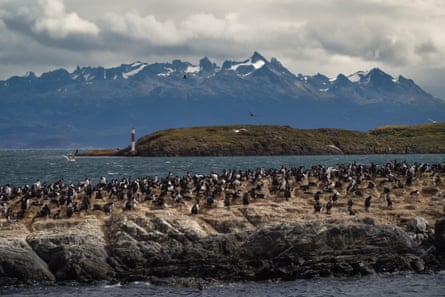
The dispersion of passengers to various countries has created a complex epidemiological puzzle for health officials worldwide. Each country that received returning passengers must now implement appropriate monitoring and testing protocols. This distributed nature of the outbreak complicates the investigation while simultaneously increasing the urgency of establishing a clear source. The sooner Argentine investigators can identify the precise origin of contamination, the sooner they can implement measures to prevent future incidents involving the same vector or exposure pathway.
Looking forward, this incident will likely prompt cruise operators and maritime authorities to reevaluate their disease prevention protocols and passenger screening procedures. Argentina, as the departure point and a nation with the highest regional incidence of hantavirus, will probably face increased scrutiny regarding port health measures and food safety standards. The investigation's findings will inform international maritime health policy and potentially establish new standards for disease prevention on cruise ships conducting expeditions to remote regions like Antarctica.
Source: The Guardian

