
Arizona Desert Town Shatters US March Temperature Record

A small Arizona community hits 110F, breaking the all-time March high temperature record for the United States as the Southwest endures an intense late-winter heatwave.
Martinez Lake, a small town located about 145 miles west of Phoenix, has officially broken the record for the highest March temperature ever recorded in the United States. On Thursday, the temperature in this remote desert community soared to a scorching 110°F (43.3°C), shattering the previous March high of 109°F set in Death Valley, California back in 1913.
This unprecedented late-winter heat is part of a broader heatwave affecting the Southwestern United States, with several other locations also reporting unusually high temperatures for this time of year. The National Weather Service has issued heat advisories across the region, warning residents to take precautions against the dangers of extreme heat.
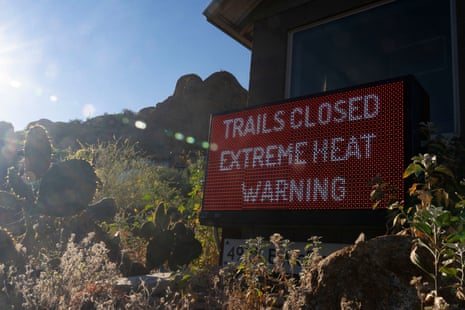
The timing of this record-breaking heat is particularly concerning, as the Southwest is typically still in the grip of winter during the month of March. Climatologists warn that such extreme weather events may become more common in the years ahead due to the impacts of climate change. As global temperatures continue to rise, the frequency and intensity of heatwaves are expected to increase, putting vulnerable populations at greater risk.
"We're seeing the effects of climate change play out in real-time here in the Southwest," said Dr. Sarah Allen, a climate scientist at the University of Arizona. "The fact that we're breaking all-time temperature records in March is a stark reminder that the region is becoming increasingly hostile to human habitation during large parts of the year."
For the residents of Martinez Lake, this record-setting heat is more than just a statistic - it's a daily reality they must contend with. Many have expressed concerns about the strain this is placing on local infrastructure and resources, as well as the potential health impacts on the community's most vulnerable members.
"It's become almost unbearable out here," said Maria Hernandez, a longtime Martinez Lake resident. "We're doing what we can to stay cool and hydrated, but it's a constant battle. I worry about my neighbors, especially the elderly and those without access to reliable air conditioning."
As the Southwest continues to grapple with the consequences of climate change, experts warn that events like the one witnessed in Martinez Lake are likely to become more common in the years ahead. Policymakers and community leaders will need to work diligently to address the growing threat posed by extreme heat, ensuring that vulnerable populations are protected and that the region's infrastructure is resilient enough to withstand the challenges of a rapidly changing climate.
Source: The Guardian


