
Army Rescue Team Parachutes to Remote Island

British Army specialists parachute onto Tristan da Cunha to provide emergency medical treatment for a resident with suspected hantavirus infection.
In a dramatic display of coordinated military logistics and emergency medical response, the British Army launched a specialized rescue operation to reach one of the world's most isolated inhabited territories. A dedicated team of medical professionals and trained personnel executed a precision parachute insertion onto Tristan da Cunha, a remote British overseas territory located in the South Atlantic Ocean, to provide urgent treatment to a local resident suspected of contracting hantavirus.
The operation highlighted the extraordinary challenges faced by inhabitants of one of Earth's most inaccessible settlements. Tristan da Cunha sits approximately 1,750 miles from the nearest continent and is home to around 250 residents who have limited access to advanced medical facilities. The island has no airport, making evacuation and emergency medical interventions extraordinarily difficult under normal circumstances. When a community member's health suddenly deteriorated with symptoms consistent with hantavirus infection, local authorities recognized the critical need for specialized medical intervention.
Hantavirus represents a serious public health threat that demands rapid diagnosis and treatment. The virus, typically transmitted to humans through contact with infected rodent droppings or saliva, can cause hantavirus pulmonary syndrome—a severe respiratory illness with significant mortality rates if left untreated. Given the patient's isolation on a remote island with minimal medical infrastructure, swift action became essential to ensure survival and proper clinical management. The specialized team assembled for this mission understood the time-sensitive nature of their deployment.
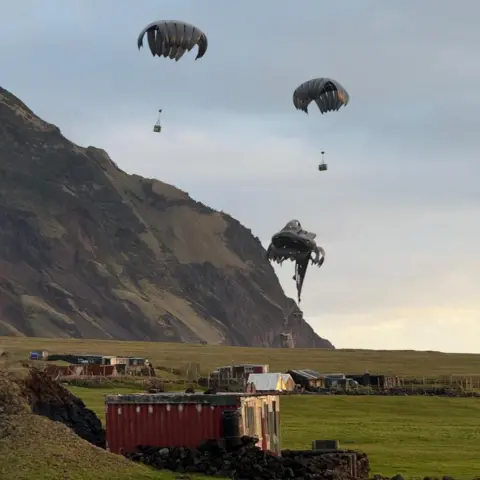
The British Army's decision to deploy personnel via parachute insertion represented the most viable transportation method given weather conditions and accessibility constraints. Rather than waiting for maritime vessels to navigate the treacherous waters surrounding the island—a journey that could require weeks—military planners determined that airborne insertion offered the fastest pathway to deliver expert medical care. The parachute team brought essential diagnostic equipment, treatment medications, and clinical expertise that would have been impossible to access through conventional channels.
Coordination between multiple governmental and military agencies made this complex operation possible. The British Ministry of Defence, in conjunction with overseas territory administrators and medical authorities, orchestrated the logistics of assembling a qualified response team, securing transportation aircraft, and planning the precise jump sequence. Such operations require extensive preparation, including weather assessments, jump zone safety evaluations, and contingency planning for unexpected complications. Every detail from equipment security to personnel briefings received meticulous attention.
The residents of Tristan da Cunha have long contended with unique medical challenges stemming from their extreme isolation. The island community, which traces its origins to a group of settlers in the early nineteenth century, has developed a distinctive culture and tight-knit social bonds born from geographic separation from the wider world. However, this isolation comes with significant costs, particularly regarding healthcare access. Medical emergencies that residents in populated areas might address through routine hospital visits become life-threatening situations requiring international intervention and specialized resource deployment.
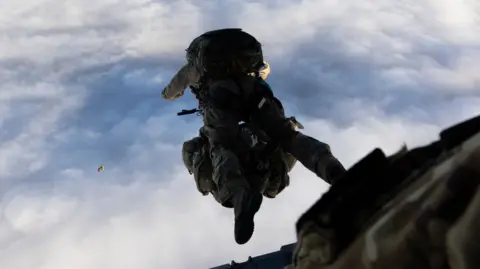
The suspected hantavirus case underscores the unpredictable nature of infectious disease outbreaks, even in isolated communities. Hantavirus can emerge without warning when human activity intersects with rodent populations carrying the pathogen. Despite the island's remoteness, residents maintain connection to global supply chains through periodic ship arrivals, creating potential vectors for disease introduction. The infected individual's case serves as a reminder that geographic isolation provides no absolute protection against emerging infectious threats in an interconnected world.
Local health officials on Tristan da Cunha monitor disease patterns closely, but they face severe limitations in their capacity to respond to complex medical emergencies independently. The island typically maintains a small medical clinic staffed by healthcare workers trained in general practice and emergency first aid, but advanced treatment capabilities remain unavailable locally. When serious illnesses strike, residents often face impossible choices between remaining untreated or enduring dangerous maritime evacuations. This parachute insertion operation represented a creative solution that bypassed these conventional constraints.
The successful deployment of the specialist team required meticulous planning across multiple operational dimensions. Airborne medical teams must balance the need for comprehensive equipment with the physical constraints of parachute descent. Medical professionals jumping into remote locations must arrive with everything necessary to stabilize patients, establish diagnoses, and initiate definitive treatment protocols. This operation required coordination of medical supplies, diagnostic instruments, communication equipment, and personnel protective gear—all transported by personnel descending through the atmosphere under parachutes.
The response to the hantavirus suspected case demonstrates the broader capabilities of modern military medical services. Armed forces worldwide have developed sophisticated systems for deploying healthcare expertise to locations where civilian infrastructure cannot reach. These capabilities, originally developed for combat medical support in remote theaters, increasingly serve humanitarian and emergency response functions during peace time. The flexibility to rapidly mobilize expertise across geographic barriers represents a valuable asset for vulnerable island communities.
Following the team's arrival on Tristan da Cunha, medical specialists immediately began comprehensive assessment of the patient's clinical condition. They likely conducted laboratory testing to confirm or rule out hantavirus infection definitively, established appropriate isolation protocols to prevent potential spread to other community members, and initiated supportive care measures focused on maintaining respiratory function and organ system stability. The presence of advanced medical expertise transformed the situation from one of helplessness to one of active, evidence-based clinical management.
This operation carries significant implications for how remote communities address future medical emergencies. The successful execution of the parachute insertion establishes a precedent and demonstrates feasibility for similar interventions when circumstances demand rapid medical response. For the approximately 250 residents of Tristan da Cunha, knowing that the British military can deploy specialized medical teams relatively quickly may provide some reassurance regarding their healthcare security. However, it also underscores their fundamental vulnerability and dependence on external resources for managing serious health threats.
The broader context of this rescue operation reflects ongoing challenges in providing equitable healthcare access to geographically isolated populations worldwide. Hundreds of remote communities face similar constraints to those experienced on Tristan da Cunha—limited local medical capacity, dangerous or time-consuming evacuation procedures, and vulnerability to diseases that would be routinely manageable in areas with robust healthcare infrastructure. International attention to cases like this may spur discussions about creative solutions, including enhanced telemedicine capabilities, pre-positioned medical supplies, and expanded training for local healthcare providers.
The outcome of this particular case will likely receive attention from medical professionals interested in infectious disease management in remote settings. Documentation of the patient's clinical presentation, diagnostic findings, and treatment response will contribute to the broader medical literature regarding hantavirus disease, particularly in unusual geographic and social contexts. Healthcare providers in other isolated communities may learn valuable lessons from how this situation was managed and identified, potentially improving their own preparedness for similar scenarios.
As the specialized team concluded its emergency intervention and prepared for departure, the Tristan da Cunha community could reflect on the extraordinary measures undertaken to provide medical care to one of their members. The operation underscored both the remarkable capabilities of modern military organizations and the challenging reality of life in one of Earth's most remote inhabited locations. For the patient receiving treatment, the rapid arrival of expert medical care quite literally represented the difference between life and death—a outcome made possible only through coordination, specialized training, and the willingness to deploy resources to reach the unreachable.
Source: BBC News


