
Art Installation Highlights Ukraine's Missing Children

A powerful bedroom art installation at EU headquarters draws attention to over 20,500 Ukrainian children unlawfully taken to Russia during the conflict.
The ongoing conflict in Eastern Europe has created one of the most pressing humanitarian crises of our time. Since the beginning of the current military operations, more than 20,500 Ukrainian children have been forcibly relocated to Russia, raising international alarm about their safety, welfare, and eventual return home. This devastating figure represents not just statistics, but individual lives disrupted, families torn apart, and childhoods stolen.
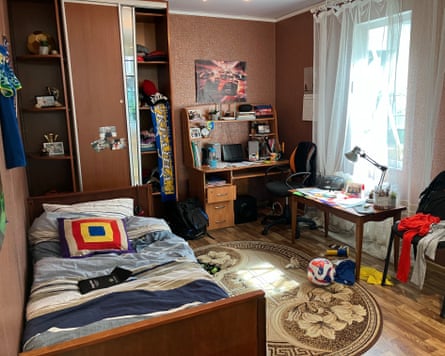
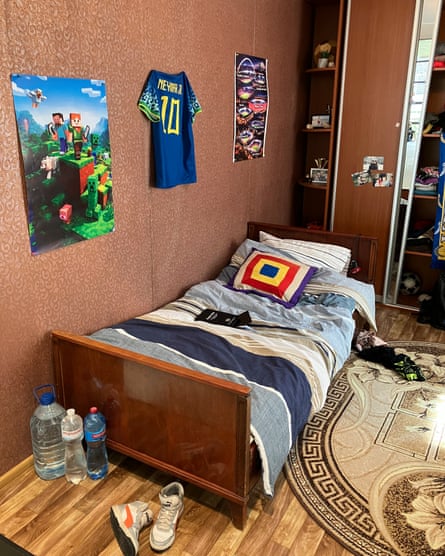
A striking new art installation aims to give voice to these silent victims by transforming a seemingly ordinary space into a powerful statement about loss and displacement. The installation, which resembles nothing more than a typical teenager's living quarters, features carefully arranged elements including football shirts adorning the walls, scattered clothing strewn across the floor, and open exercise books positioned thoughtfully on a desk. Yet beneath this veneer of normalcy lies a profound artistic message—each detail serves as a poignant reminder of the absent children whose rooms remain empty thousands of miles away.
The innovative political artwork was unveiled on Monday at the prestigious headquarters of the European Commission in Brussels, serving as a backdrop for an unprecedented international gathering. Delegates representing 63 countries and numerous international organizations assembled to engage in critical discussions about strategies and mechanisms for reuniting Ukraine's displaced children with their families. The presence of such a large diplomatic contingent underscored the international community's growing recognition of this humanitarian emergency and the urgent need for coordinated action.
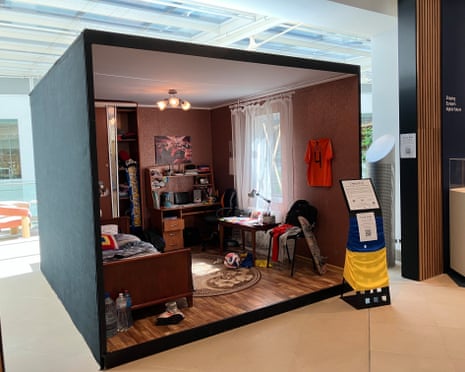
Isaac Yeung, one of the co-creators of this remarkable installation, explained the conceptual foundation behind the work. "It's essentially a way for someone to step into Ukraine without having to actually travel there," he articulated, capturing the installation's intent to create an immersive emotional experience for viewers. By recreating an intimate domestic space, the artists have found a way to bridge geographical and psychological distance, allowing international observers to momentarily inhabit the perspective of those affected by this crisis.
The installation's power lies in its specificity and authenticity. Rather than employing abstract symbolism or overt propaganda techniques, the creators chose to present everyday objects and arrangements familiar to anyone who has witnessed a teenager's room. This deliberate choice to emphasize the ordinary makes the absence—the missing occupant—all the more haunting and impossible to ignore. The football shirts reference the pastimes and interests stolen from these children, while the scattered belongings and open schoolbooks speak to interrupted educations and abandoned routines.
The child displacement crisis has garnered increasing attention from human rights organizations, international bodies, and world governments throughout 2024 and beyond. Various NGOs have documented evidence suggesting that these children have been transferred to different regions of Russia, making their identification and location significantly more challenging. Concerns extend beyond immediate physical safety to include questions about psychological trauma, cultural assimilation pressures, and the long-term consequences of separation from their native language, communities, and identities.
The Brussels gathering represented a pivotal moment in coordinated international response efforts. Participating nations discussed various mechanisms for tracking displaced children, establishing communication channels with Russian authorities, and developing legal frameworks for their return. The involvement of such a diverse coalition of countries and organizations suggests growing consensus that this issue transcends typical geopolitical divisions and must be addressed through unified humanitarian principles.
Artists and activists have increasingly leveraged creative expression as a tool for drawing attention to the Ukrainian humanitarian crisis. The bedroom installation exemplifies how visual art can communicate complex human suffering in ways that statistics and policy documents cannot. By inviting viewers to literally stand within a reconstruction of these absent children's spaces, the work creates an empathetic connection that resonates on a deeply personal level, regardless of one's nationality or political perspective.
The installation's placement at the European Commission headquarters carries significant symbolic weight, positioning this humanitarian concern at the heart of European institutional decision-making. The European Union has become increasingly vocal about concerns regarding the treatment and status of displaced Ukrainian children, viewing their situation as inseparable from broader questions about international law, human rights, and the protection of vulnerable populations during armed conflict.
Looking forward, the international community faces substantial challenges in addressing this crisis comprehensively. Experts emphasize that successful resolution will require sustained diplomatic engagement, cooperation from multiple nations, significant humanitarian resources, and innovative approaches to locating and identifying children whose documentation may have been lost or destroyed. The artistic intervention demonstrates that alongside formal diplomatic channels and legal mechanisms, cultural and emotional appeals remain vital components of advocacy efforts.
The emotional resonance of the bedroom art piece extends beyond its immediate audience in Brussels, generating international media attention and sparking conversations about the human cost of armed conflict. As images of the installation circulate through news outlets and social media platforms worldwide, it serves as a reminder that behind every conflict statistic lies individual human tragedy. The work ultimately challenges viewers to move from passive awareness to active engagement with the urgent need to bring these children home and restore their futures.
Source: The Guardian


