
Artemis II Astronauts Shatter Moon Distance Record

Artemis II crew breaks Fred Haise's distance record, flying 252,756 miles from Earth. Four new lunar explorers continue humanity's Moon journey.
Artemis II has marked a historic milestone in space exploration, with its four-person crew achieving a remarkable feat that surpasses decades-old records and signals humanity's renewed commitment to lunar exploration. The circumlunar mission represents not merely a technological achievement, but a symbolic passing of the torch from the Apollo generation to a new era of space exploration. As the prospect of landing astronauts on the lunar surface within the coming years draws closer, this mission underscores the accelerating pace of humanity's return to the Moon.
The current moment holds profound significance as humanity stands at a crossroads between preserving the legacy of the original Moon explorers and forging an exciting new chapter in space history. There are only five surviving men who flew to the Moon during NASA's Apollo missions, and all are now in their 90s, making the window to honor their experiences increasingly narrow. Between 1968 and 1972, 24 astronauts visited the Moon in total, with 12 of them achieving the distinction of walking on its surface. The passage of time makes each new lunar exploration mission increasingly vital, as we transition from the era of living memory about Apollo to an age where firsthand accounts may no longer be available.
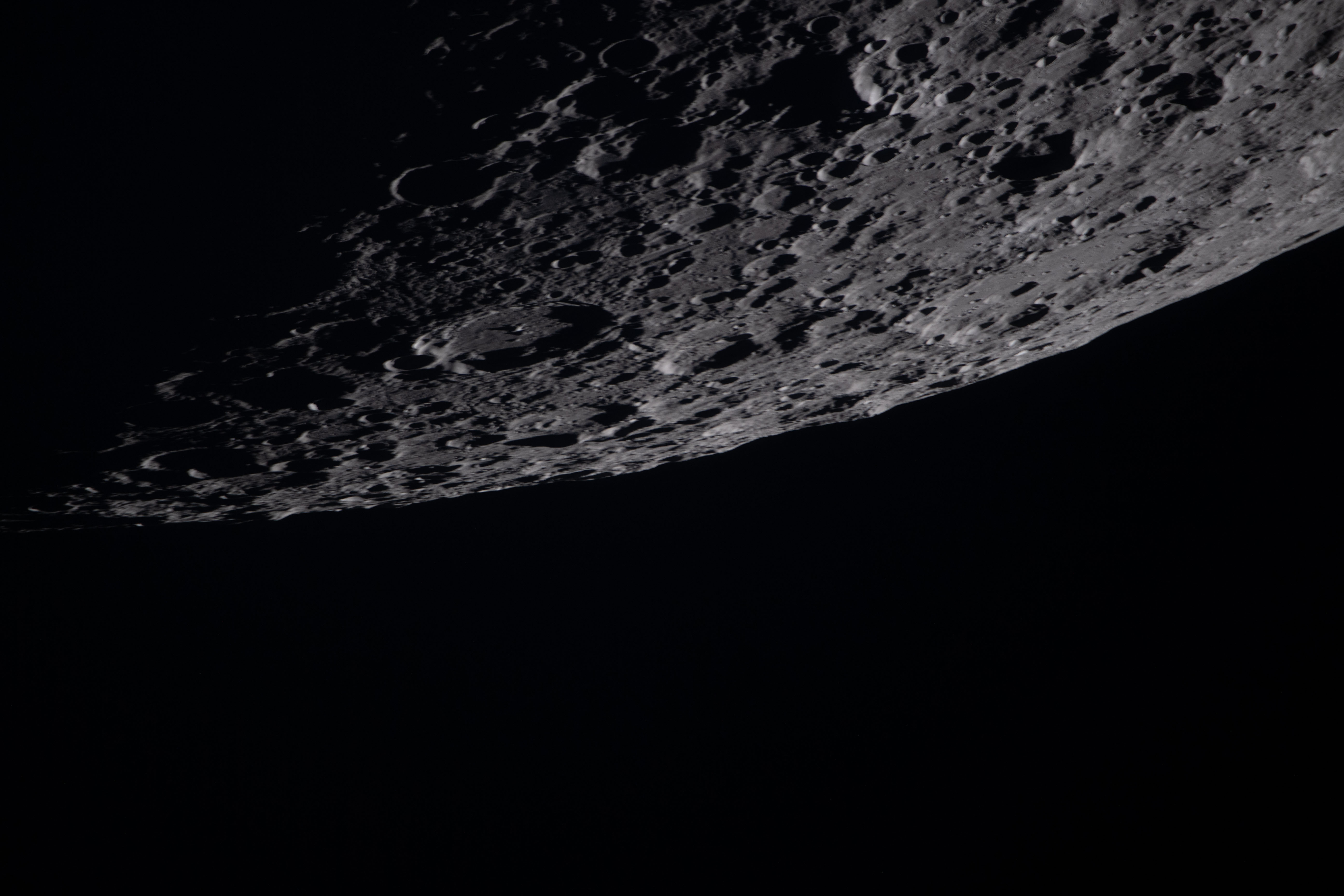
The Artemis II crew, all in their 40s or 50s, has now become part of this exclusive group of lunar explorers, though they approached the Moon differently than their Apollo predecessors. Rather than landing on the surface, the four-person crew flew a circumlunar trajectory that carried them approximately 4,000 miles farther from the Moon than the Apollo lunar missions ever ventured. This deliberate choice in trajectory allowed them to travel to unprecedented distances, setting a historic distance record that will likely stand for some time to come.
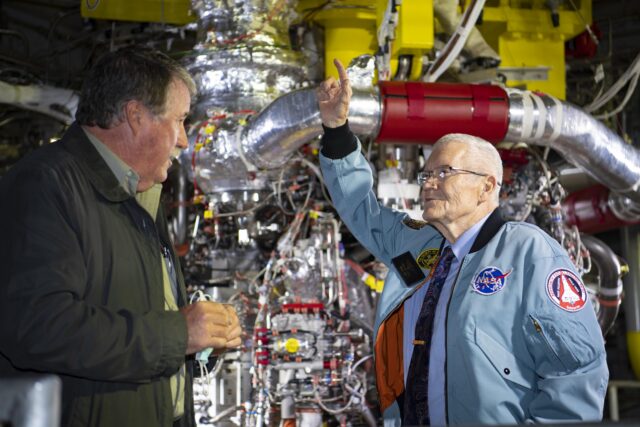
The specific achievement is staggering in its scope: the Artemis II crew traveled 252,756 miles (406,771 kilometers) from Earth, establishing a new benchmark for human spaceflight that surpasses the previous record held by Fred Haise and his crewmates from the Apollo 13 mission. This distance record had stood for more than five decades, a testament to the engineering prowess of the Apollo program and the bravery of those early astronauts. The fact that it has now been broken represents both the advancement of modern space technology and the continuation of humanity's exploratory spirit that has defined our relationship with space since the earliest days of the space race.
Fred Haise, who holds the previous distance record alongside his Apollo 13 crewmates, has reportedly expressed genuine happiness about this achievement being surpassed. His gracious acceptance of this milestone reflects the values held by the Apollo generation—a dedication to human progress that transcends personal accomplishment. The passing of the record symbolizes more than a technical achievement; it represents the torch being passed from one generation of space explorers to the next, with both groups united in their commitment to pushing the boundaries of human exploration.
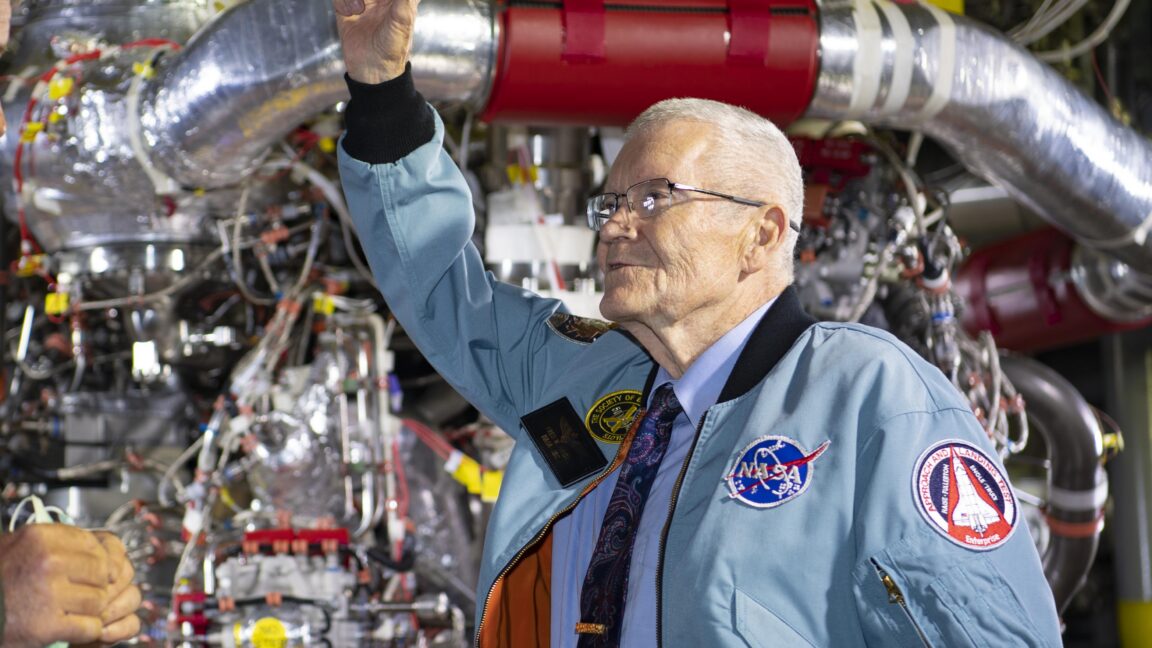
The significance of the Artemis II mission extends beyond mere record-breaking, serving as a crucial stepping stone toward the ultimate goal of returning humans to the Moon's surface. NASA's broader Artemis program envisions sustained human presence on the Moon, with plans to establish a long-term presence that could support further exploration of the lunar environment and eventually serve as a staging point for missions to Mars. The crew's successful circumlunar flight demonstrates the reliability and capability of the systems that will carry future astronauts to the surface, validating years of engineering development and testing.
As we look toward the future of lunar exploration, the achievements of Artemis II provide a foundation of confidence for the missions ahead. The four crew members who traveled farther from Earth than any humans before them have contributed invaluably to our understanding of what is possible when we commit resources and talent to ambitious goals. Their journey represents the culmination of decades of technological development, building upon lessons learned from the Apollo program while incorporating modern innovations in spacecraft design, life support systems, and navigation technology.
The broader context of this achievement cannot be overlooked: humanity is entering an era where the direct memories of the Apollo Moon landings will soon exist only in historical record and documentation. The five surviving Apollo astronauts carry with them irreplaceable knowledge and experience from those early lunar missions, making their interactions with new generations of space explorers particularly valuable. The Artemis program represents our collective effort to ensure that lunar exploration does not fade from human endeavor, but instead becomes the foundation for a sustained, expanding presence on the Moon and eventually throughout the solar system.
The Artemis II mission also demonstrates the evolution of international and collaborative space exploration, as the program incorporates contributions from multiple agencies and partners. Modern spacecraft benefit from decades of accumulated knowledge, advanced materials science, sophisticated computer systems, and refined mission planning that simply did not exist during the Apollo era. Yet the fundamental human drive to explore distant worlds, to reach farther than we have before, and to push the limits of what is possible remains unchanged since the first humans looked up at the Moon from Earth's surface.

As we celebrate the Artemis II crew's record-setting achievement, we are reminded that space exploration is not merely about setting records or achieving technical milestones. It is about maintaining humanity's commitment to discovery, innovation, and the fundamental desire to explore the unknown. The circumlunar flight of Artemis II has added four new names to the list of lunar explorers, creating a living connection between the Apollo era and the new age of space exploration. With landing missions planned for the coming years, humanity is poised to once again place footprints on the lunar surface, ensuring that the spirit of exploration continues to define our species' relationship with the cosmos.
Source: Ars Technica


