
Artemis II: Lunar Journey Captivates With Stunning Visuals

Artemis II mission progresses smoothly as astronauts capture breathtaking images of Earth and space. Get the latest updates on this historic lunar voyage.
Artemis II, NASA's landmark lunar mission, is soaring towards the Moon with four astronauts on board, and everything seems to be going swimmingly. As the spacecraft entered its third day of the journey, the crew members, including Reid Wiseman, Victor Glover, Christina Koch, and Jeremy Hansen, had more opportunities to connect with their families and engage in media events.
Despite the demanding schedule, the astronauts found time to capture some truly spectacular images. Wiseman, the mission commander, shared a breathtaking photograph that showcased the night side of our planet, complete with stunning auroras and the faint glow of zodiacal light. The image also revealed the Sun in the distance, illuminating the far side of the Earth.
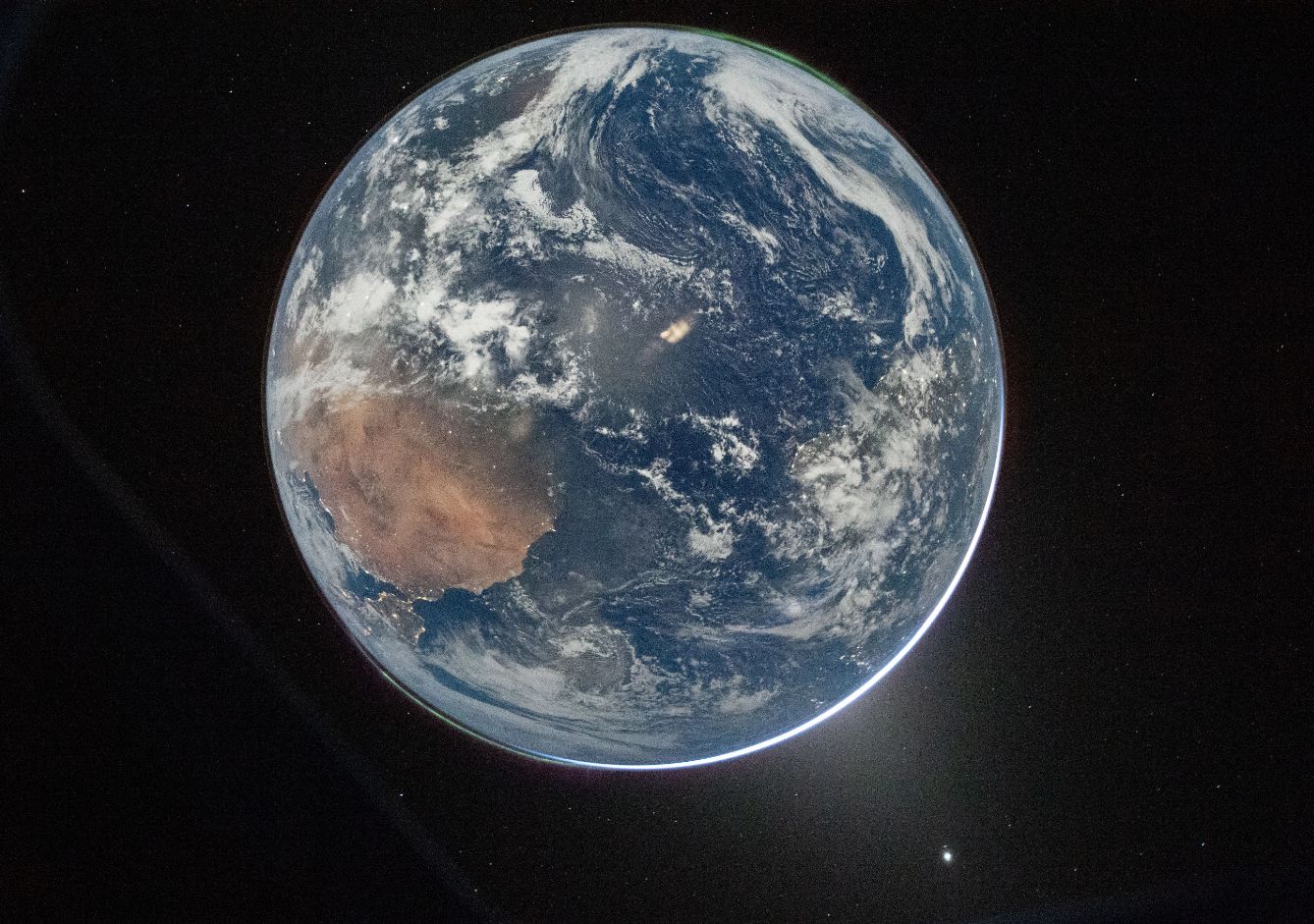
The crew members also conducted routine medical checks and held conferences with physicians back in Houston, ensuring the well-being of the astronauts during this historic mission. With the spacecraft's powerful engine firing behind them, the crew had the opportunity to enjoy some downtime and connect with their loved ones, a testament to the meticulous planning and execution of the Artemis II mission.
As the Artemis II journey continues, the world eagerly awaits the next set of breathtaking images and updates from the courageous astronauts on board. This mission represents a significant step forward in humanity's exploration of the Moon, and the smooth progress thus far is a testament to the dedication and hard work of the NASA team and its international partners.
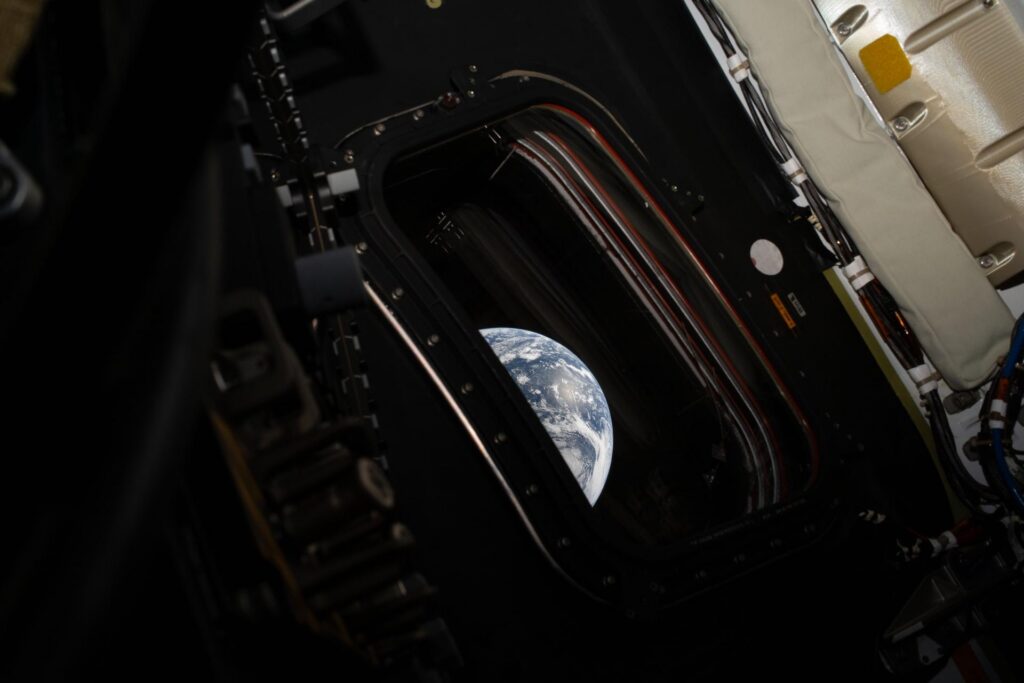
The Artemis II mission is a crucial milestone in the Artemis program, paving the way for future crewed missions to the lunar surface and beyond. With the crew's safe passage and the continued success of the mission, the world can look forward to the Artemis program's unfolding chapters, where humanity pushes the boundaries of space exploration and scientific discovery.
Source: Ars Technica


