
Artemis II Rocket Returns to Hangar for Critical Repairs

NASA Administrator announces Artemis II mission delay as Space Launch System rocket faces helium flow issues requiring Vehicle Assembly Building repairs.
Just 24 hours after NASA officials expressed confidence about proceeding with the highly anticipated Artemis II mission launch scheduled for next month, the space agency encountered a significant setback that will force the massive rocket back to its assembly facility. The announcement came Saturday from NASA Administrator Jared Isaacman, who revealed that a critical technical malfunction has emerged, necessitating the immediate return of the Space Launch System rocket to the Vehicle Assembly Building for comprehensive repairs.
The problematic issue first manifested on Friday evening when mission control engineers detected anomalous data indicating a disruption in the helium flow system feeding into the upper stage of the towering Space Launch System rocket. This discovery prompted immediate concern among the engineering teams, as helium plays a crucial role in pressurizing fuel systems and ensuring proper rocket performance during launch sequences. Administrator Isaacman initially shared the concerning news through his official social media channels, providing preliminary details about the unexpected complication.
Following the initial announcement, Isaacman released a more comprehensive update on Saturday, explaining that the agency's engineering teams are conducting thorough investigations to determine the root cause of the helium flow interruption. The administrator emphasized that while the exact nature of the problem remains under analysis, preliminary assessments have concluded that any necessary repairs must be conducted within the controlled environment of the Vehicle Assembly Building, rather than at the launch pad itself.
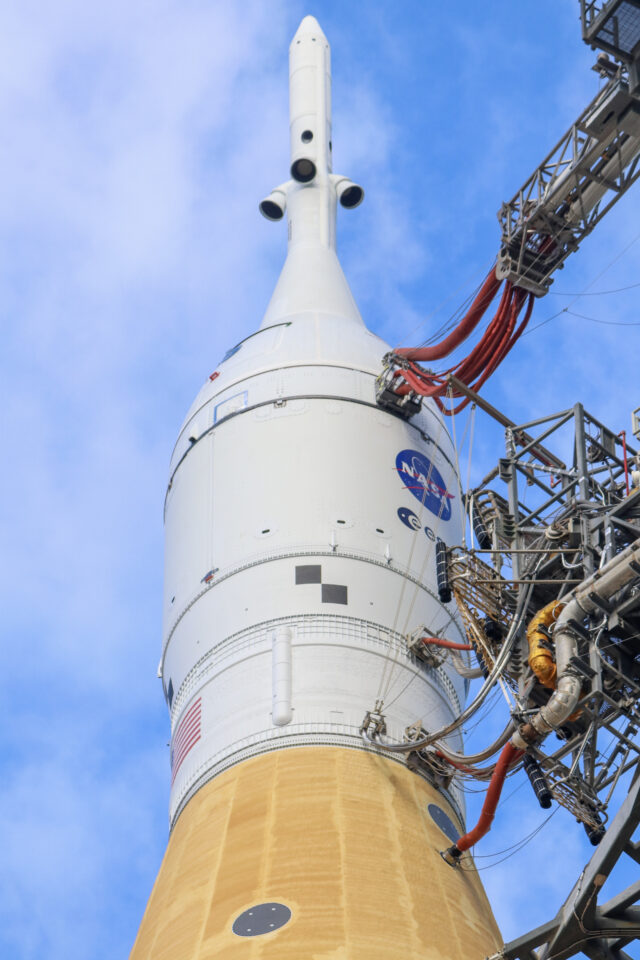
The decision to relocate the rocket represents a significant logistical undertaking that will involve multiple specialized teams and equipment. NASA ground crews, working alongside contractor personnel, are already initiating preparations to carefully transport the massive 322-foot-tall SLS rocket from its current position at Launch Complex 39B back to the Vehicle Assembly Building. This complex operation requires meticulous planning and coordination to ensure the safety of both personnel and the multi-billion-dollar spacecraft.
The transportation process itself is an engineering marvel, utilizing NASA's legendary crawler-transporter system that has been serving the space program for decades. The massive mobile launch platform carrying the rocket will be slowly moved along the specially designed roadway, covering approximately 4 miles between the launch pad and the assembly building. This journey, while routine in terms of procedure, represents a significant delay for the Artemis program's timeline and demonstrates the challenges inherent in complex space missions.
The Artemis II mission holds particular significance as it represents NASA's first crewed lunar mission since the Apollo era, marking a historic return of human astronauts to lunar orbit. The mission is designed to carry a crew of four astronauts around the Moon in a carefully planned trajectory that will test both the spacecraft systems and crew capabilities in deep space environments. This mission serves as a critical stepping stone toward the ultimate goal of landing astronauts on the lunar surface through subsequent Artemis missions.
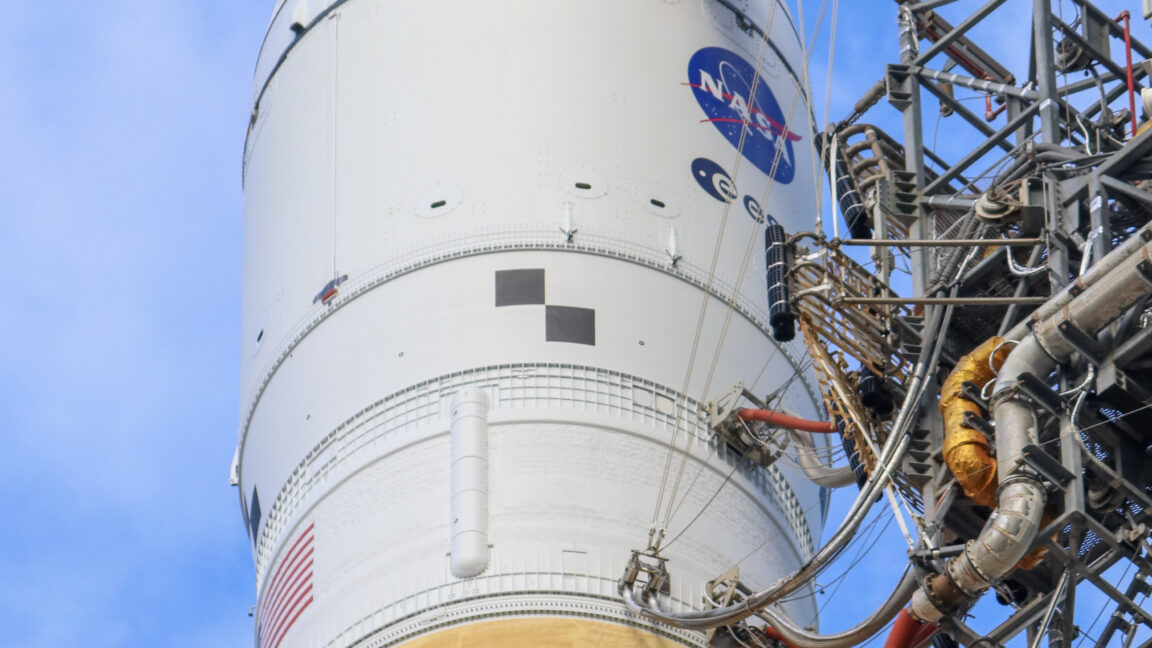
The Space Launch System represents the most powerful rocket NASA has ever successfully developed, designed specifically for deep space exploration missions beyond Earth orbit. The rocket's complex systems include multiple stages, each requiring precise coordination and flawless operation to achieve mission success. The upper stage, where the current helium flow issue has been identified, plays a crucial role in the final orbital insertion phases and trans-lunar injection maneuvers that will send the Orion spacecraft and its crew toward the Moon.
Helium systems in rocket technology serve multiple critical functions, particularly in fuel pressurization and system purging operations. The interruption in helium flow detected by NASA's monitoring systems could potentially compromise mission safety and success if left unaddressed. Engineers must ensure that all pressurization systems operate within specified parameters to maintain proper fuel delivery and spacecraft control throughout the mission duration.
This latest setback adds to a series of challenges that have affected the Artemis program's timeline over recent years. The program has faced various technical hurdles, budget considerations, and scheduling conflicts that have required careful management and problem-solving from NASA's engineering teams. Despite these challenges, the space agency remains committed to achieving its lunar exploration objectives and maintaining the highest safety standards for crewed missions.
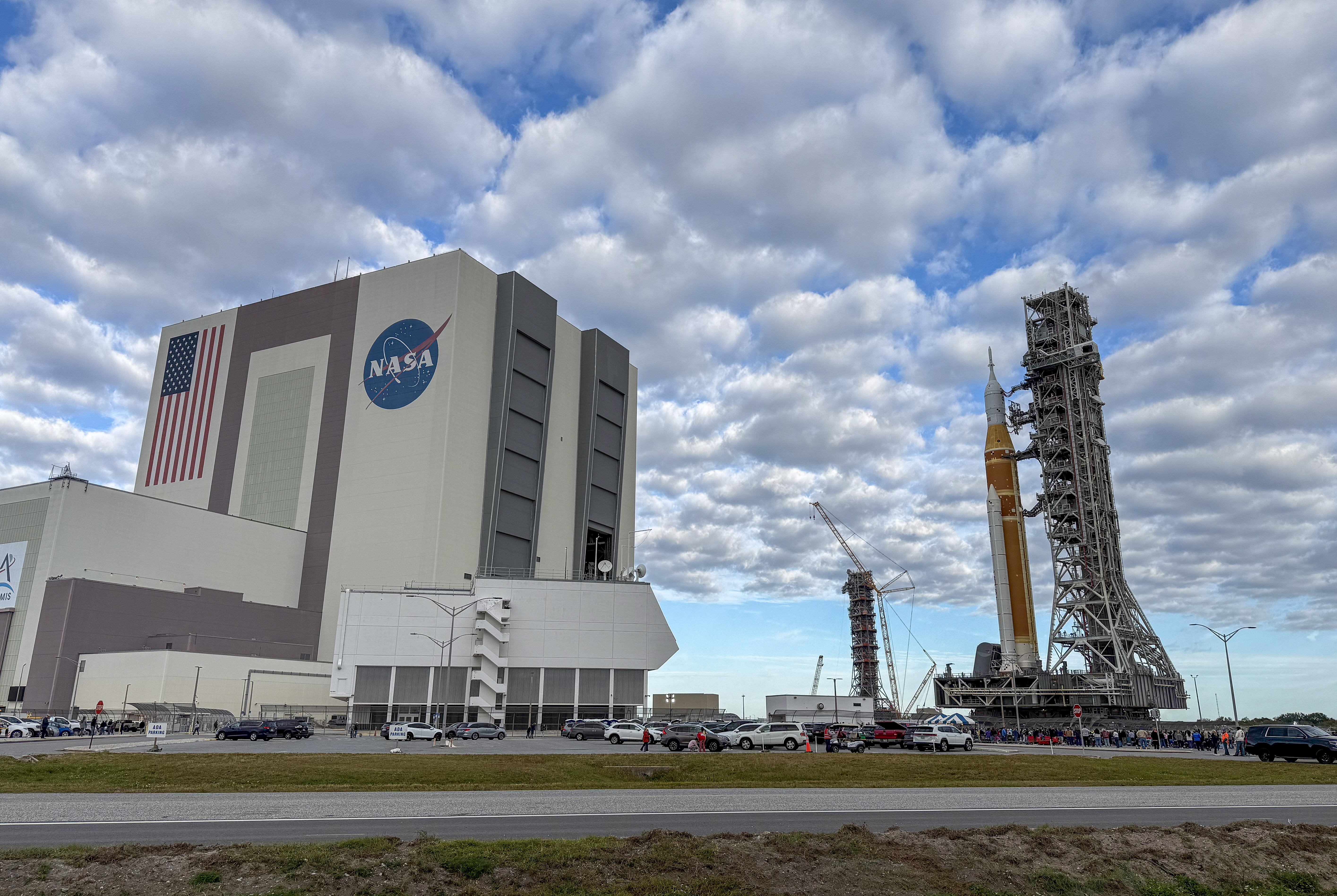
The decision to return the rocket to the Vehicle Assembly Building demonstrates NASA's unwavering commitment to mission safety and technical excellence. Rather than attempting potentially risky repairs at the launch pad, engineers have opted for the more comprehensive approach of conducting repairs in the controlled environment where the rocket was originally assembled. This facility provides optimal conditions for complex technical work, including climate control, specialized equipment access, and enhanced safety protocols.
Industry experts and space program observers have noted that such delays, while disappointing, are not uncommon in complex space missions where safety and reliability take precedence over schedule adherence. The Artemis program's success depends on methodical problem-solving and thorough testing to ensure that when the mission does launch, it operates flawlessly throughout its duration. The current delay provides additional time for comprehensive system checks and validation procedures.
The impact of this delay extends beyond the immediate mission timeline, potentially affecting subsequent Artemis missions and NASA's broader lunar exploration strategy. However, space agency officials maintain that addressing technical issues thoroughly during ground operations is far preferable to discovering problems during flight operations, where correction options are extremely limited and crew safety could be compromised.

Source: Ars Technica


