
Artemis III Preps for Launch; SpaceX Shifts to AI

Blue Origin's New Glenn rocket achieves first successful landing but loses payload. SpaceX pivots toward AI development. Latest space industry updates.
Welcome to Edition 8.38 of the Rocket Report, your comprehensive source for the latest developments in commercial spaceflight and rocket launch technology. This week's edition brings significant developments from the aerospace industry, highlighting both remarkable achievements and sobering setbacks that define the current landscape of space exploration and commercial rocket ventures.
The primary focus this week centers on Blue Origin's New Glenn rocket and its third orbital flight attempt, which delivered a rollercoaster of emotions for the aerospace company and its stakeholders. The launch demonstrated the remarkable capability of reusable rocket technology when the first stage successfully completed its mission and executed a flawless landing on a drone ship positioned in the Atlantic Ocean. This achievement represented a significant milestone, as it marked another successful recovery of a previously flown first stage booster, reinforcing the economic viability of reusable launch systems.
However, the triumph of the first stage recovery was overshadowed by a critical failure in the upper stage of the vehicle. During the payload deployment phase, the AST SpaceMobile satellite experienced an incorrect orbital insertion due to an anomaly in the upper stage performance. Rather than reaching its intended orbital altitude, the communications satellite was deposited into a significantly lower orbit, rendering it unable to function as designed for its intended mission parameters.
Initial investigations into the upper stage failure have pointed toward a valve malfunction as the root cause of the mission loss. While valve failures might seem like a mundane technical issue, such components have historically proven to be critical weak points across the aerospace industry. The pressurized systems aboard rockets operate under extreme conditions, with temperatures and pressures that stress every component to its theoretical limits, making even seemingly simple mechanical elements potential failure points.
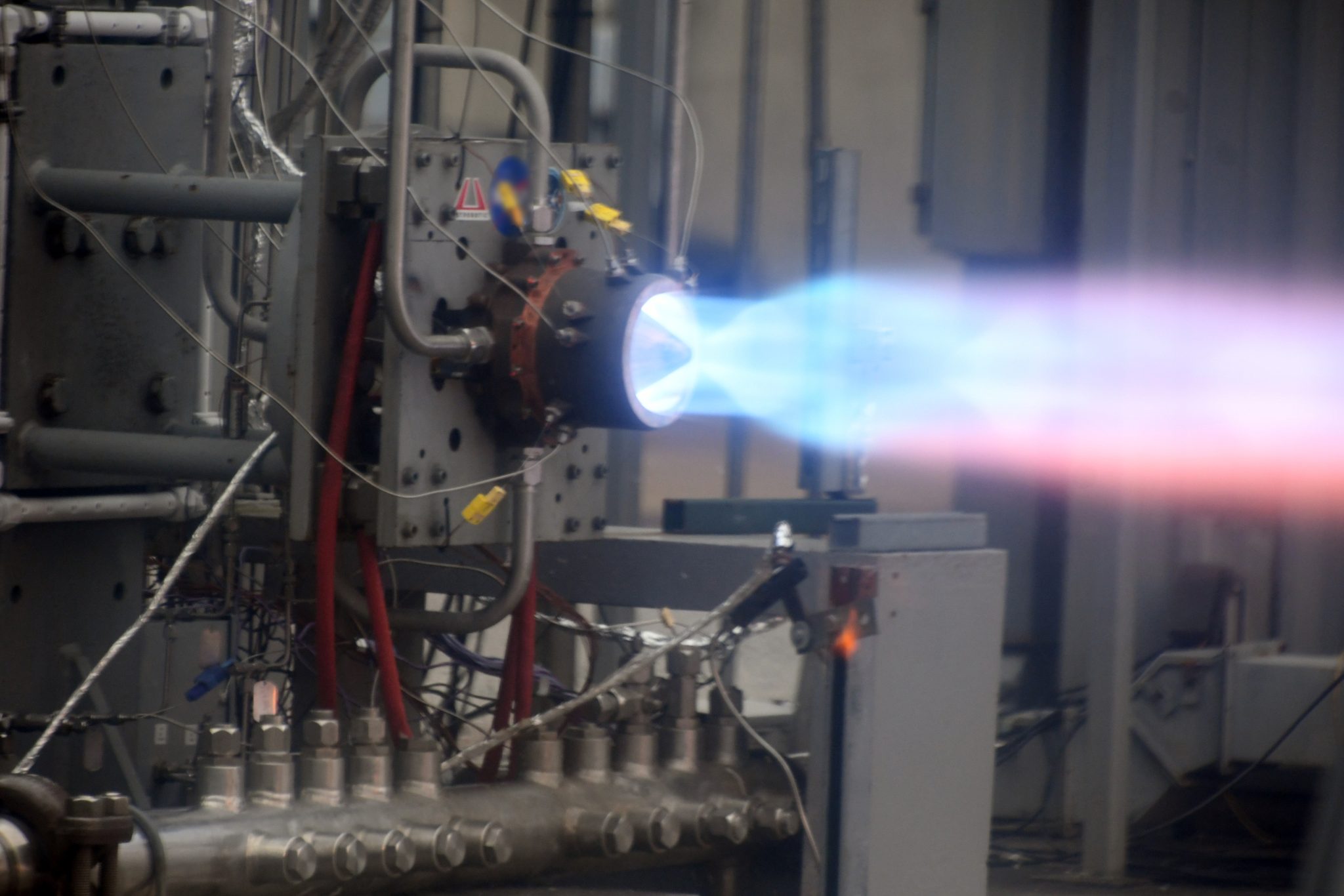
The Rocket Report remains committed to bringing you comprehensive coverage of the commercial space sector, and we actively encourage readers to submit their own observations and insights regarding recent launches and space industry developments. For those interested in receiving regular updates without missing any edition, subscription options are available through our dedicated submission portal, which allows readers to stay informed about developments in small-lift, medium-lift, and heavy-lift rocket technology. Each report provides detailed analysis of current launches while offering a forward-looking preview of the next three scheduled launch opportunities across the global launch calendar.
Beyond Blue Origin's mixed results this week, the broader commercial space industry continues to evolve at a rapid pace. Several significant developments are reshaping how companies approach spaceflight operations and payload deployment strategies. The industry is increasingly recognizing that success in commercial spaceflight requires not only technological innovation but also operational excellence and rigorous quality assurance protocols.
Canada's spaceport development plans have emerged as a point of discussion and debate within both governmental and commercial aerospace circles. Approximately one month prior to this reporting period, Canada's National Defense Minister David McGuinty announced a substantial governmental commitment to space infrastructure development, pledging $200 million in federal investment distributed across a ten-year implementation timeline. This investment represents Canada's strategic effort to establish sovereign launch capabilities and reduce dependence on international launch providers for critical national security and commercial space applications.

The Canadian spaceport initiative is not without controversy, however. Various stakeholders within the aerospace industry, environmental advocacy groups, and regional communities have raised questions and concerns regarding the project's feasibility, environmental impact, and economic justification. Critics argue that the substantial financial investment might be better directed toward existing commercial launch providers or alternative space infrastructure projects that could yield more immediate operational benefits.
Proponents of the Canadian spaceport project counter that developing domestic launch infrastructure is essential for national sovereignty and economic competitiveness in the rapidly expanding commercial space economy. They emphasize that establishing Canadian launch capabilities would reduce costs for Canadian satellite operators and space agencies while creating high-skilled employment opportunities in the aerospace sector across multiple Canadian provinces and regions.
In separate but significant industry news, SpaceX's strategic direction has shifted notably in recent months, with the company increasingly positioning itself at the intersection of aerospace and artificial intelligence technologies. This pivot reflects broader industry trends recognizing that future space operations will depend increasingly on advanced artificial intelligence systems for autonomous vehicle operations, mission planning, and data analysis from space-based sensors and observation platforms.

The convergence of AI technology and space exploration represents one of the most promising developments in contemporary aerospace innovation. Machine learning algorithms can optimize rocket trajectories, predict component failures before they occur, and enable autonomous decision-making for space vehicles operating millions of miles from Earth. SpaceX's recognition of this convergence demonstrates the company's forward-thinking approach to maintaining technological leadership in an increasingly competitive commercial space industry.
As we continue monitoring these developments, the Rocket Report remains dedicated to providing detailed, accurate reporting on all aspects of the commercial space sector. Whether tracking the technical challenges facing established providers like Blue Origin, monitoring emerging national space programs like Canada's spaceport initiative, or analyzing strategic pivots by industry leaders like SpaceX, our mission is to keep readers informed about the dynamic and rapidly evolving landscape of modern spaceflight operations and commercial aerospace innovation.

The coming weeks promise additional significant developments as multiple launch providers advance toward critical flight tests and mission milestones. Readers are encouraged to submit their own perspectives and insights regarding recent industry developments, and to maintain engagement with ongoing coverage of the commercial space sector's continued evolution and expansion into new frontiers of human spaceflight and satellite deployment capabilities.
Source: Ars Technica


